Vulnerability is highly diverse and locally specific. This analysis is based on a qualitative case study in a drought-stricken part of northwest Nicaragua, and interprets gender differentiations in vulnerability in the interplay between structures and resources.
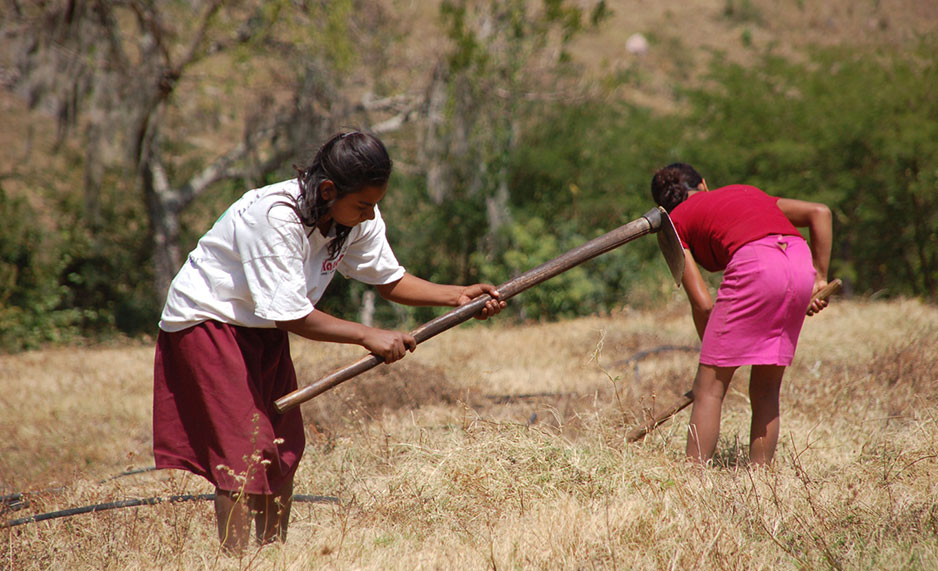
Women farming in Nicaragua.
Photo: “Nicaragua Water Crisis” by ONE DROP, CC BY-ND 2.0
The author explores the role that particular socioeconomic and environmental issues have played in recent decades in gender differentiation. The analysis examines how this differentiation affects people’s capacity to reduce vulnerability through coping with and adapting to more frequent droughts and increasingly dry climate.
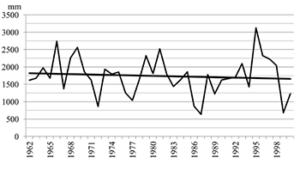
Rainfall is becoming less frequent in Nicaragua, which, combined with rising temperatures, is leading to drought. Why do women and men respond and adapt differently to these conditions?
The author’s earlier research on social-ecological interactions is developed to give a richer appreciation of gender-differentiated vulnerability. In so doing, this article also contributes to the underexplored field of historical research on gendered adaptations.
Read the article (external link to publisher; open access)
Journal article / Drawing on policy reviews, surveys and interviews, the research explores challenges in addressing interconnected climate risks across regions and sectors.
Perspective / Conservationist policies could be more effective if they respected the spiritual beliefs that already guide forest use, preserve biodiversity and livelihoods.