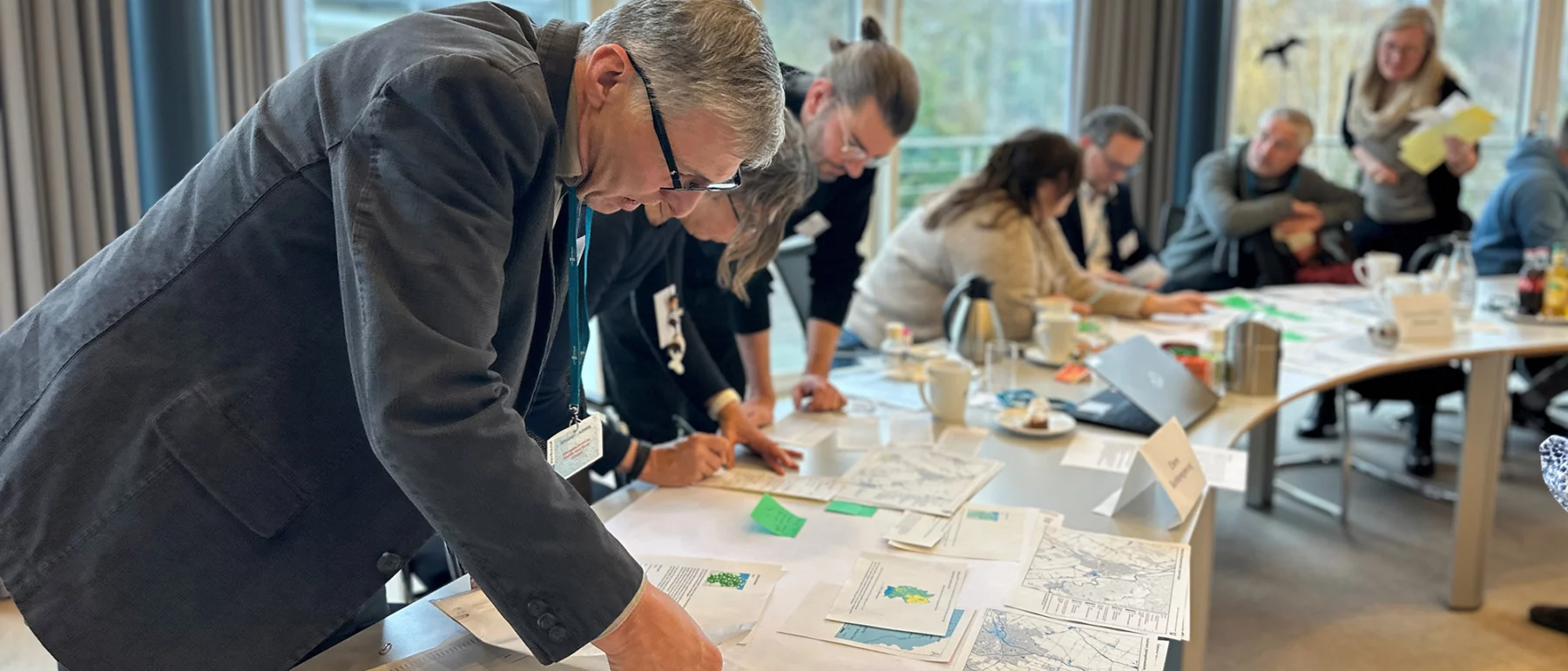
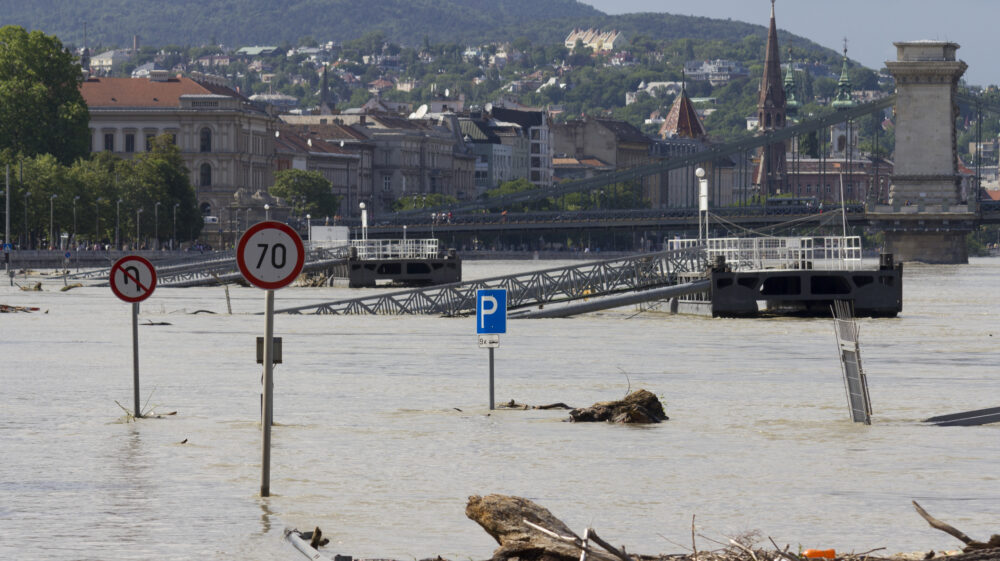
This article examines the capacities needed to enable locally led design and implementation of knowledge co-production processes for disaster risk- and climate adaptation-related challenges. The insights are based on lessons learned from the implementation of real world labs in Denmark, Italy, Germany and Austria/Hungary as part of the DIRECTED project.
Knowledge co-production processes are increasingly used to promote transdisciplinary collaboration and integration of knowledge to better understand and govern complex sustainability challenges. However, existing literature tends to overlook the capacities and skills required for designing, researching and facilitating such processes. Moreover, the empirical evidence base demonstrating their benefits remains narrow, with practical guidance and training for locally led design and implementation of knowledge co-production processes scarce.
This paper fills this gap. It examines related lessons learned from the implementation of real world labs in the Horizon Europe project, DIRECTED (Disaster resilience for extreme climate events through improved data accessibility, communication and risk governance). The labs sought to help develop the capacity of practitioners to use transdisciplinary collaboration and co-production processes to address local and regional disaster risk- and climate adaptation-related challenges.
The authors put forward a structure for four key capacities (collaborative, systems thinking, creative and reflexive capacities), and they outline related skills needed by practitioner hosts and academic researchers. The authors also offer reflections about how to inform knowledge co-production applications to better integrate considerations of needed capacities and skills.
Project / The EU Horizon project DIRECTED aims to improve the governance and management of climate disasters across multiple civil society and emergency agencies.
Tool / Tandem guidance is an interactive, online tool to help scientists and decision-makers collaborate to improve climate change adaptation planning and policies.
Feature / The Climate Connectivity Hub is testing new technologies to make it easier to find and use information needed to address the impacts of climate change.
Media advisory / SEI invites journalists to a media briefing where its leading experts will share their perspectives on the major themes shaping COP31.
Press release / Berget AI releases an open-source method for calculating carbon emissions of every individual AI request, developed with SEI, WattTime and Klimatkollen.