Insights for development interventions in the clean-energy sector, with a focus on sub-Saharan Africa
This SEI brief highlights findings from a review of the literature on financing of renewable-energy and clean-cooking interventions. It focuses on sub-Saharan Africa but examines issues that may also warrant consideration in low- and lower-middle-income countries more generally.
Download Insights for development interventions in the clean-energy sector in sub-Saharan Africa / PDF / 317 KB
Citation
Duma, D., Bruder, M., & Hilgert, A. (2025). Insights for development interventions in the clean energy sector, with a focus on sub-Saharan Afria. SEI brief. Stockholm Environment Institute. https://doi.org/10.51414/sei2025.013
The brief highlights seven focus areas that should be considered, outlines a theory of change to inform decision-making stages from concept to impact, and provides an evidence base for informing donors’ choices on the composition of their energy portfolio in different stages of development. The authors also offer recommendations for assessing projects being proposed and implemented.
Key messages
Access to reliable and affordable electricity is necessary, but not a guarantee, for economic development. A review of the literature on renewable-energy and cleancooking interventions, primarily in sub-Saharan Africa, reveals seven key areas for interventions, each with distinct dynamics:
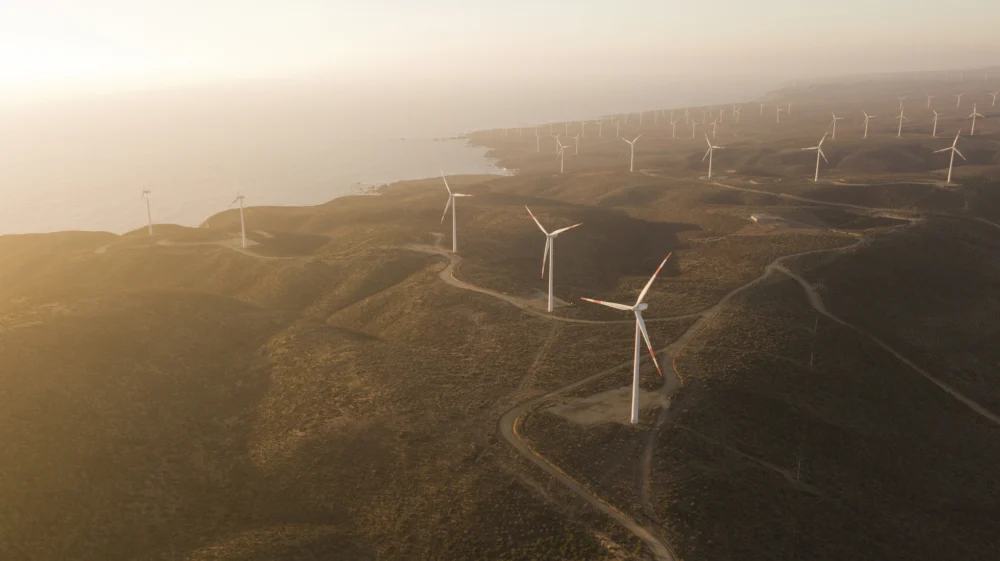
Electricity-generation interventions have been effective in increasing wind and solar photovoltaic capacity.
Transmission is becoming a bottleneck. However, externally financed transmission projects with independent operators offer a promising way forward for struggling utilities.
On-grid electricity access is challenging due to low consumption rates, the poor state of electric utilities, and a lack of affordability.
Off-grid electricity access has increased and improved through innovation. Nevertheless, many businesses offering off-grid services struggle to maintain profitability.
Clean-cooking interventions have low adoption rates largely due to affordability constraints and designs that do not focus on user preferences.
Knowledge-sharing and capacity-building interventions are particularly difficult to assess. Nevertheless, long-term, programmatic, co-designed approaches are promising.
Policy reforms are key for ensuring that investments generate the benefits they are designed to achieve. However, reform interventions are challenging due to a focus on form over function, and a lack of both local buy-in and trust.
The literature review and synthesis were undertaken as part of ongoing work with the energy section at the Norwegian Agency for Development Cooperation (Norad).
Event on 22 June – 26 June in Pretoria /
SEI and CCAC are hosting an in-person hands-on training workshop 22–26 June in Pretoria on SEI's LEAP software for climate and clean air planning in Africa.
Feature /
This photo story outlines insights about key factors in the success or failure of renewable energy financing projects based on observations in Mozambique.