This report provides a comprehensive analysis of the landscape of climate finance in Kenya’s arid and semi-arid counties, with a focus on Elgeyo Marakwet, Turkana, West Pokot and Narok.
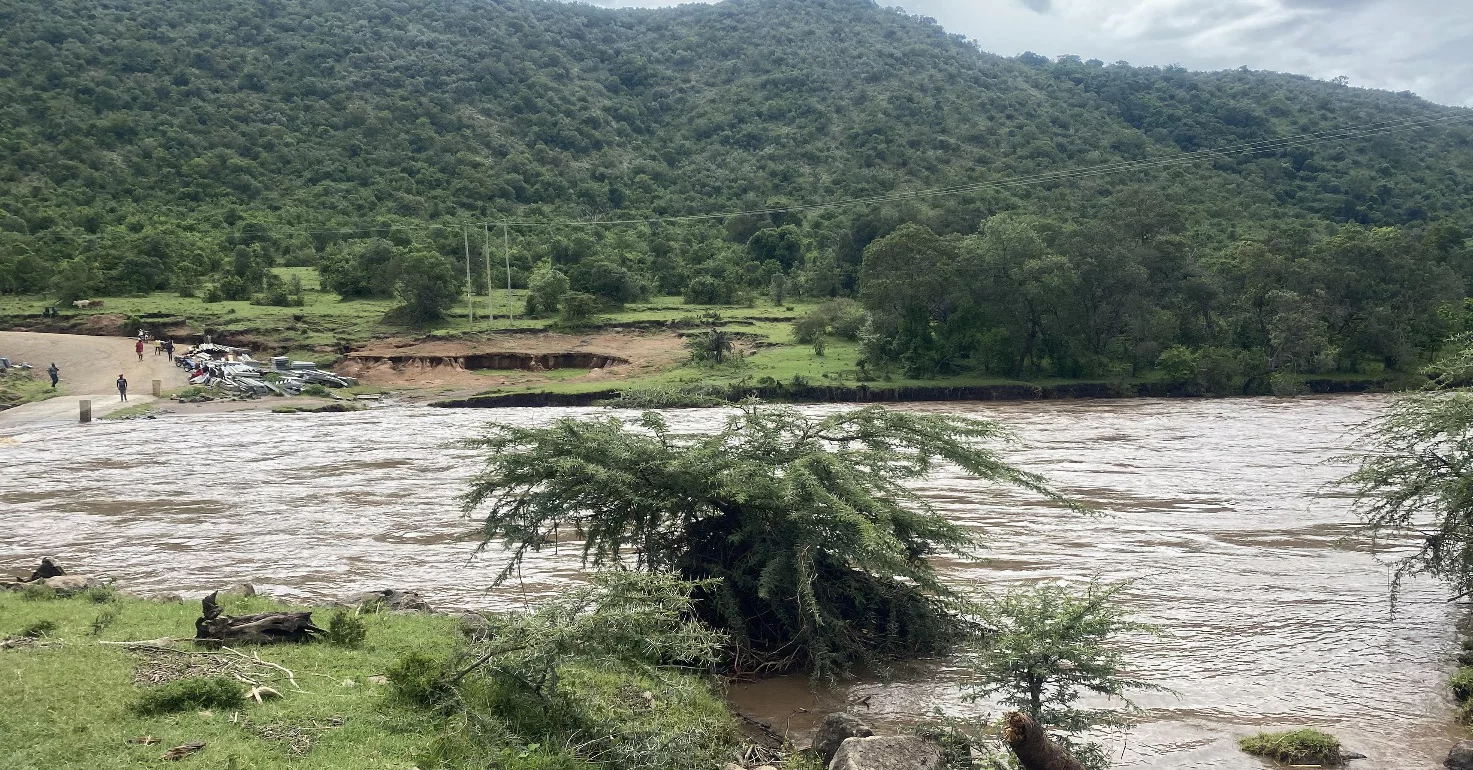
The report examines the geographical, socio-economic and environmental characteristics of these regions, explores the specific climate change impacts and adaptation challenges they face, and assesses the significance of climate finance in building resilience and promoting sustainable development. Key findings reveal that these counties are highly vulnerable to climate change, experiencing challenges such as water scarcity, food insecurity, environmental degradation and socio-economic vulnerabilities.
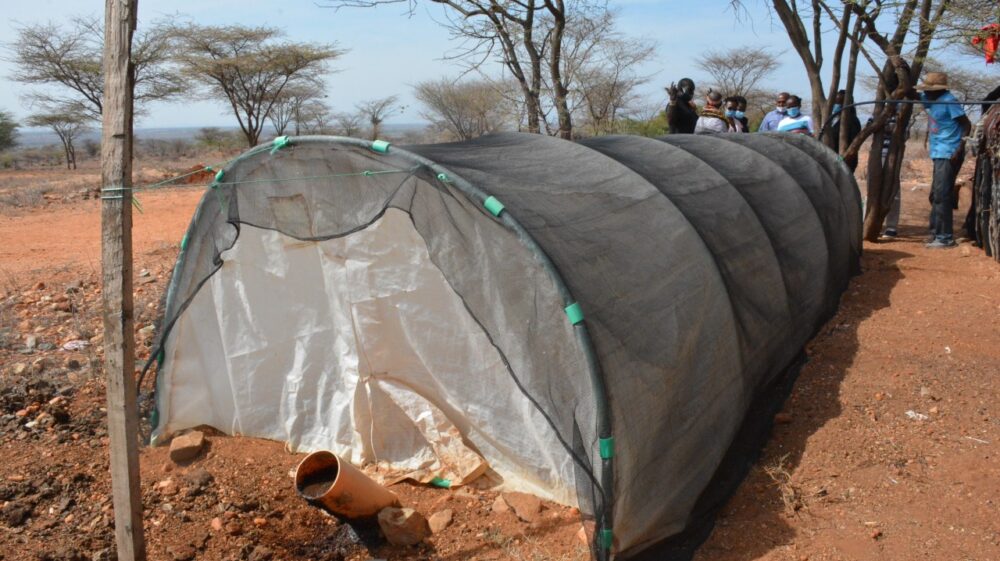
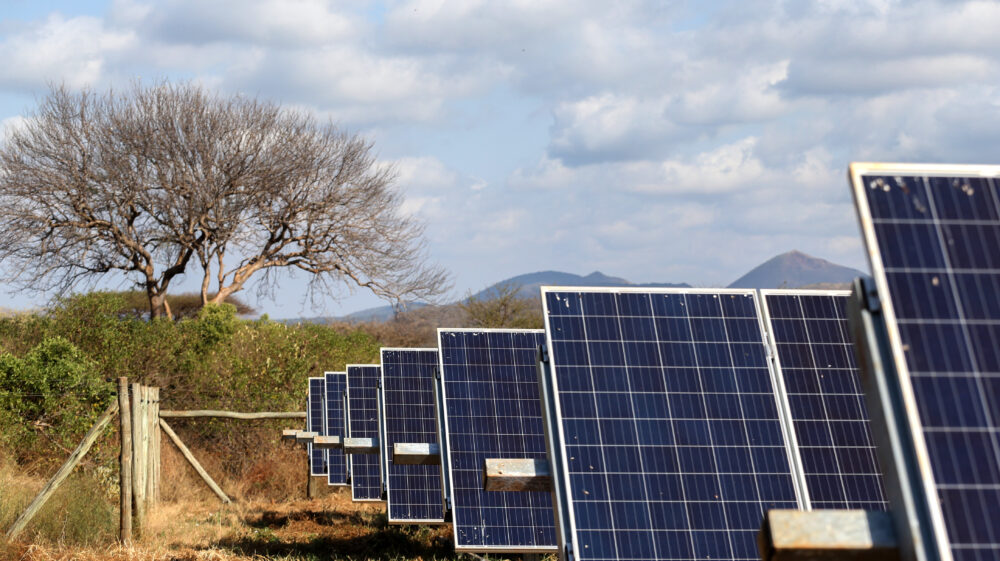
Climate finance emerges as a crucial tool in addressing these challenges, providing financial resources, technical assistance and capacity-building support for climate adaptation and mitigation projects. Initiatives such as “climate-smart” agriculture, renewable energy deployment and ecosystem restoration contribute to enhancing resilience, protecting livelihoods and fostering sustainable development in these vulnerable regions.
At the same time, these counties face significant challenges to effective climate adaptation for localized impacts, due to insufficient climate finance. Results show that public funding allocated to adaptation within counties is notably low, comprising only 20–25% of total public funding. This disparity is particularly acute for marginalized communities. The financial gap for adaptation is widening, and the escalating costs of climate change will exacerbate this issue in the future.
The report identifies several opportunities and innovative approaches for enhancing climate finance in the arid and semi-arid counties, including leveraging international support, strengthening local institutions, promoting sustainable investment models, and adopting nature-based solutions. Recommendations are provided to address challenges hindering effective mobilization and utilization of climate finance, such as limited access to financial resources, weak institutional capacity, fragmented coordination, and uncertain policy environments.
To address existing constraints in mobilizing and accessing climate finance for these four counties, there is need to:
Enhancing institutional capacity, strengthening policies, and promoting innovative financing mechanisms can enable counties to access climate finance. Such financing is essential for building resilience and promoting sustainable development in Kenya’s arid and semi-arid lands. Achieving this will require sustained collaboration among national and county governments, development partners, the private sector, and local communities to ensure that climate finance translates into tangible, inclusive and lasting resilience outcomes.
Project / The IMARA program aimed to increase the resilience of marginalized households to climate-change-related shocks.
SEI report / This report examines how risk mitigation and transfer instruments support utility-scale renewable energy investment in East Africa, drawing on six case studies.
Journal article / This article studies the coordination efforts of the most important multilateral climate funds, the CIF and the GCF, on the global level, in Kenya and Zambia.
Media coverage / SEI's Philip Osano tells Quartz that developed nations need to expand climate finance pledges to cushion developing countries against climate change effects.