part of Citizen Science
In this paper, the authors address a knowledge gap around the experience of citizen science organizers. Though the data gathered through citizen science work is of clear use to organizers, far less is known about other dimensions of citizen science work from an organizer’s perspective.
Co-author Smriti Safaya addresses CNC participants at a launch event in York.
Photo: John Terenzini
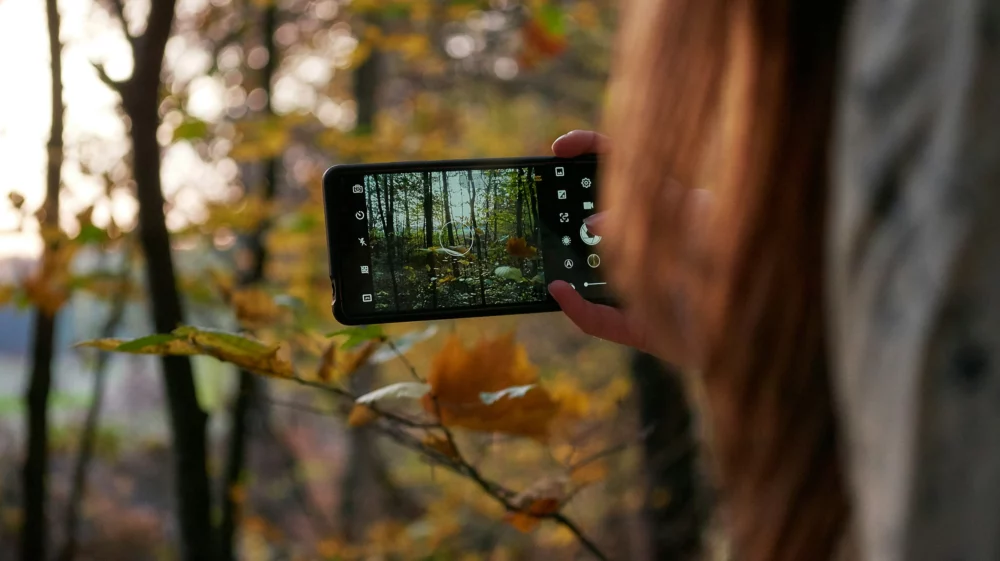
The annual global City Nature Challenge (CNC) is one of the largest citizen science biodiversity monitoring events in the world: over a span of four days, members of the public record observations of biodiversity in urban areas using the iNaturalist app or online platform. The authors of this paper examined the experiences of UK organizers of the 2024 CNC.
Through surveys, semi-structured interviews and written responses, the authors found that participation in CNC events was a common gateway to taking up an organizer role. They also found that organizers were highly motivated by the fact that the CNC initiative allows them to contribute to biodiversity and/or conservation research. However, they found that a lack of time and funding were barriers for organizers who did not already have support from or were employed by local or national institutions.
Using this information, the authors developed six different CNC organizer typologies:
The authors wrote that an understanding of organizer typologies will facilitate better strategies for CNC organizers, enabling them to find the right allies to achieve their CNC objectives, communicate in more targeted ways for effective public engagement, use technology as a gateway for nature-based engagement, and acknowledge barriers so they can (re)prioritize their own CNC goals.
An open access version of this publication is available through White Rose Research Online.
Feature / Smriti explains how York residents can contribute to this international event by recording wildlife they see and why she is passionate about citizen science.
Past event / Enjoy local wildlife and contribute to citizen science as part of this annual international event. Live in York? Help us achieve our nature recording goals!
Project / Working to co-create a toolkit with UK-based teachers to deliver practical and investigative projects that integrate citizen science into their lessons.