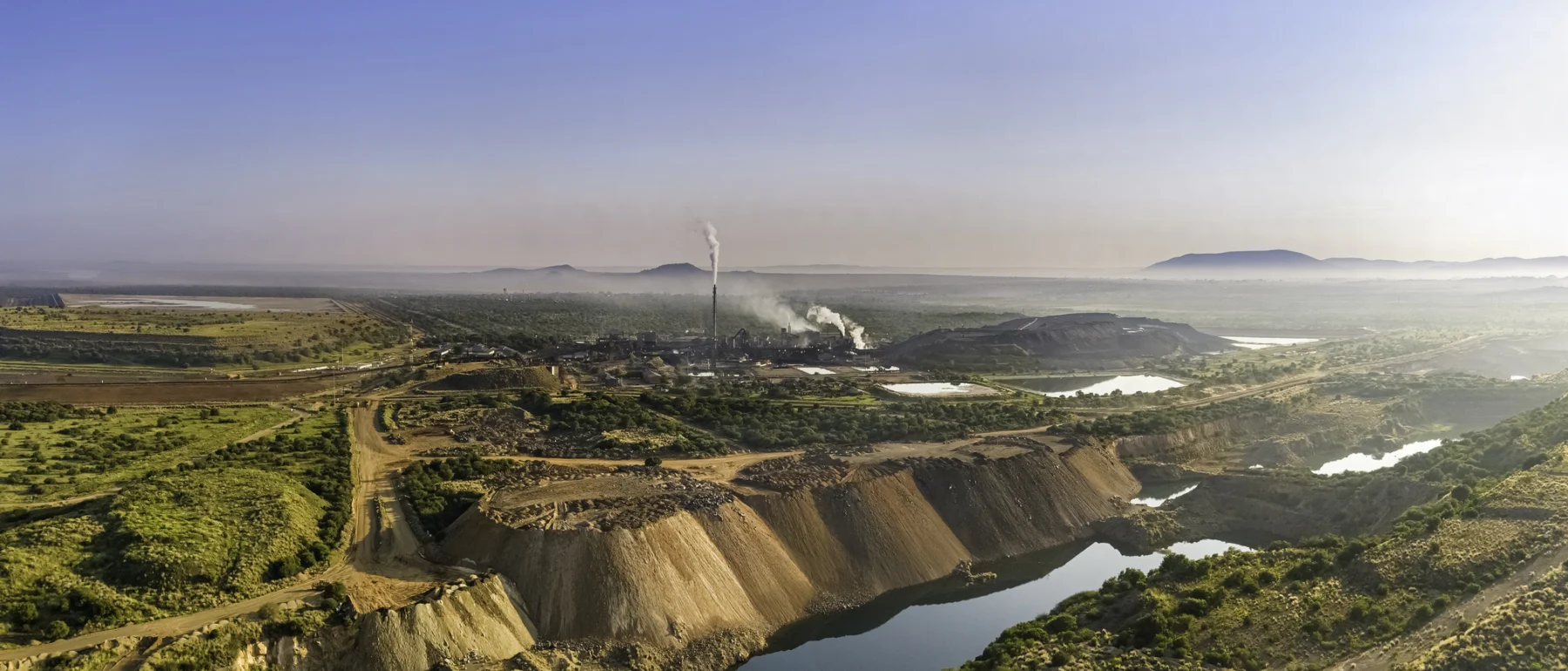
African countries possess some of the world’s most significant mineral deposits for renewable energy technologies, yet many of these nations still face persistent challenges in energy access, climate vulnerability and sustainable development. This report details the extent to which existing policy frameworks, infrastructure and practices across the continent enable Africa’s sustainable development goals and the objectives of its energy transition.
Africa’s energy transition is a process that encompasses the imperative of solving critical energy poverty as well as the tremendous potential for sustainable economic growth. Although the continent possesses an abundance of minerals and metals critical to renewable energy technologies, using these resources to create developmental outcomes still hinges on whether mineral extraction activities are linked to local value creation.
Local value creation strengthens communities by creating jobs and services using local talent and regional resources. When supported by robust environmental and social governance, such efforts promise to strengthen domestic industrial development and enhance resilience in critical materials supply chains, which would give African nations greater benefits from their contributions to the global energy transition.
This report assesses the role of policy frameworks at the continental, regional and national levels in advancing local value creation in critical materials supply chains. The analysis illustrates how policies translate into practice across governance, economic, social and environmental dimensions.
One-SEI program / Our mission is to help accelerate the allocation of capital to sustainable economic activities.
Media advisory / SEI invites journalists to a media briefing where its experts will share their perspectives on key topics ahead of the UN Biodiversity Conference (COP17).
Other publication / This research highlights the need to treat social viability as a core part of renewable energy planning, investment and implementation.
Media coverage / SEI’s Maria Nkhonjera noted that reforming international credit ratings could allow energy projects in Africa to reach their potential.