This article examines how and why institutional architectures, and the roles of private institutions therein, differ across separate areas of climate governance. The authors offer explanations of institutional complexity and apply their framework to three emerging areas of climate governance.
The researches examine institutional complexity in terms of the problem-structural characteristics of an issue area and the associated demand for, and supply of, private authority. These characteristics can help explain the degree of centrality of intergovernmental institutions, as well as the distribution of governance functions between these and private governance institutions. When this framework is applied to the three emerging areas of climate governance (REDD+, SLCPs and climate engineering), the findings show that conflicts over means and values, as well as over relatively and absolutely assessed goods, lead to considerable variations in the emergence and roles of private institutions.
Read the article (external link, subscription)
Feature / SEI US introduces a new research program focused on climate forecasting and capacity building.
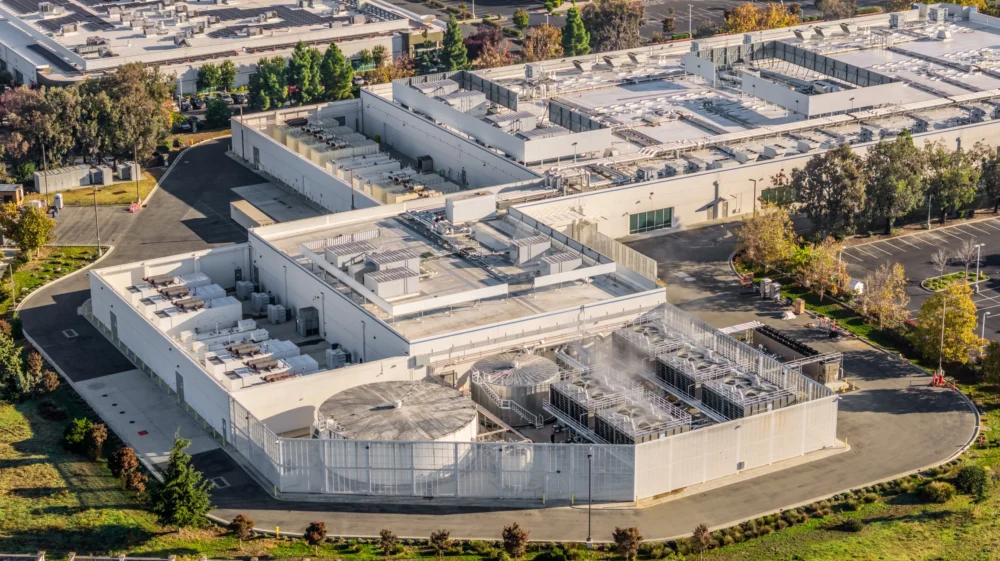
Project / This project uses geospatial analysis and public engagement to determine how data centre siting in California affects vulnerable communities' water security.
Feature / At the Bangkok Climate Action Week 2026, SEI Asia will showcase research and build pathways for climate action through science, dialogue, and engagement.