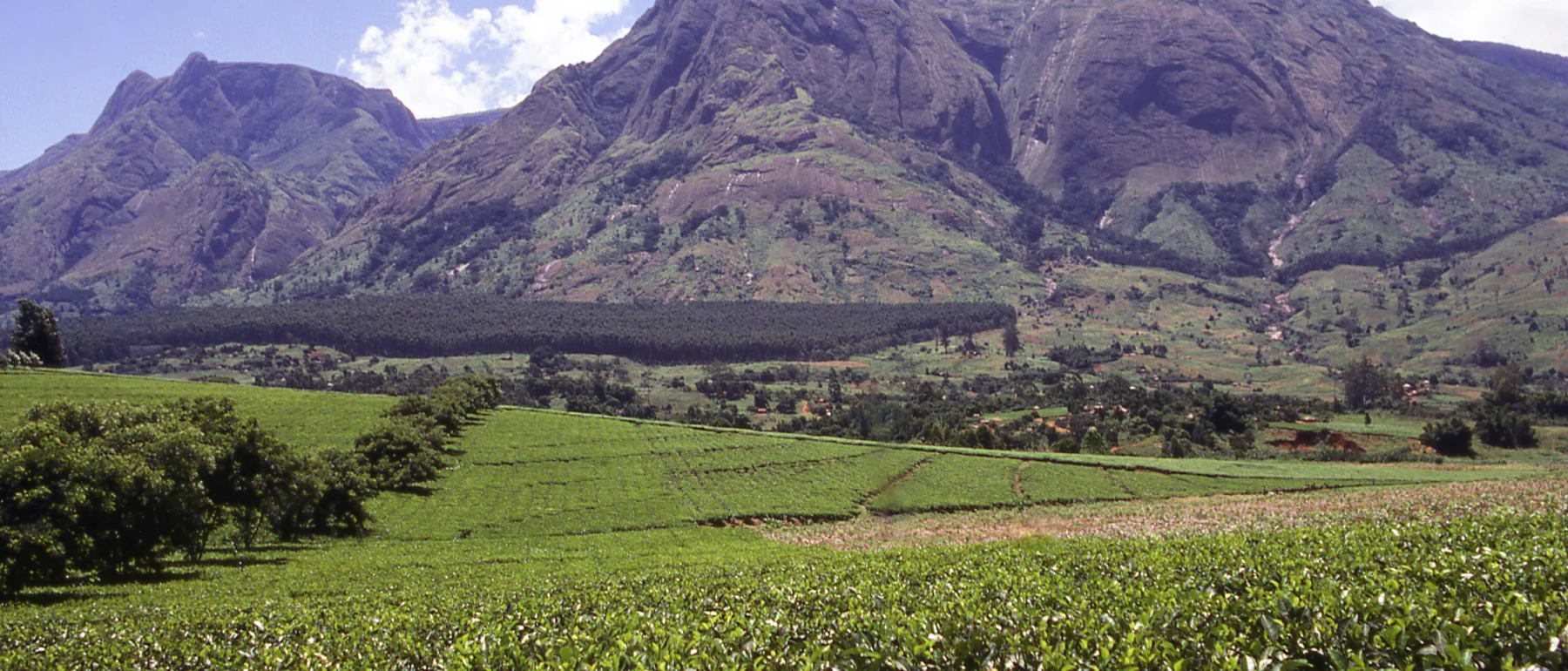
The study examines how land degradation in Malawi’s Central Region changed between 2001 and 2022, finding that degraded land increased significantly and identifying priority areas for restoration and sustainable land management.
The study assesses the extent of land degradation in Malawi’s Central Region between 2001 and 2022, using the UN Sustainable Development Goal indicator 15.3.1, which measures the proportion of land that is degraded. Using the trends.earth tool in QGIS, the researchers examined three key factors: changes in land cover, land productivity (the land’s ability to support plant growth) and soil organic carbon (an indicator of soil health). This helped them identify areas where land had degraded, remained stable or improved over the study period.
The findings show that the proportion of degraded land increased from 26.8% in the baseline period (2001–2015) to 41.2% in the monitoring period (2016–2022). Although land productivity improved in some areas and soil carbon levels and land cover remained largely stable, the overall trend points to increasing land degradation, with recovery and restoration not keeping pace. The study identifies priority areas for intervention and provides evidence to support better land management strategies and efforts to achieve Land Degradation Neutrality in Malawi.
Journal article / This paper compares the effects on multi-dimensional poverty of growing different biofuel crops.
Project / Evaluating the opportunities for biofuels to contribute to poverty reduction, food security and energy access.