The paper introduces a special issue of Applied Energy that compiles, interrelates, and highlights studies that can shed light on key issues in future energy and economic decarbonization.
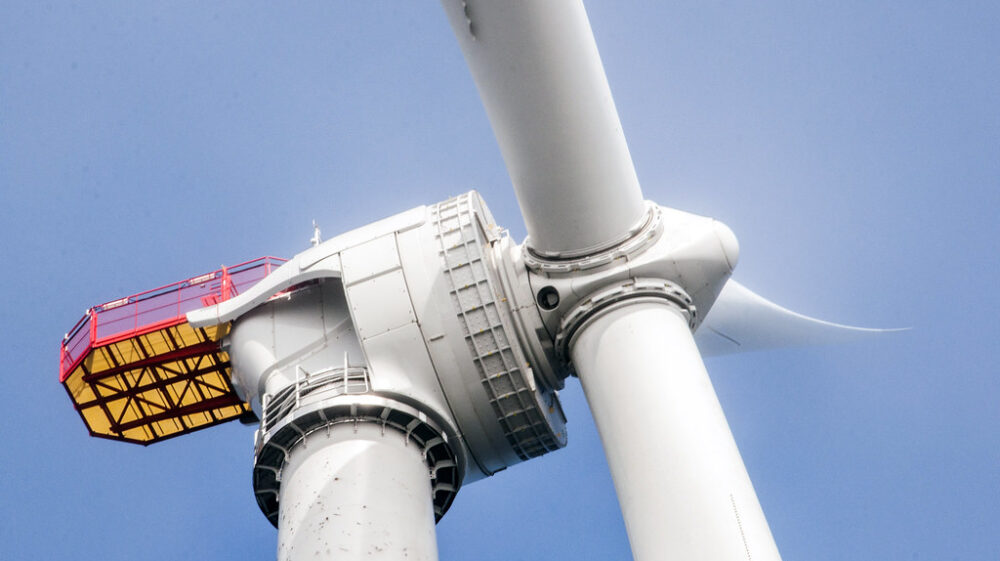
Wind turbines in Zhejiang province, China. Photo: jia yu / Getty Images
The increasingly serious situation of global warming necessitates deep decarbonization in our economy. Attaining this goal requires effective policy design at all levels, particularly to address externalities and other market failures that are contributing to climate degradation.
Model-based integrated analysis can play a critical role in envisioning and testing effective decarbonization policies. Credible approaches include feasible least-cost pathways, quantification of multiple uncertainties, and consideration of difficult-to-model, but crucial, factors, such as innovation processes, business strategies, and political struggles. Since the historical record shows that carbon emissions have been highly related to economic development in most countries, the compatibility of decarbonization and economic performance is a central question.
Analyses must moreover account for the interplay among policies. An overall carbon pricing policy might be preferred for decarbonization on grounds of efficiency, but a combination of policies can have a superior effect. Models should be able to examine both cases and evaluate the impacts of existing policies in various future scenarios. Another key issue is how to represent dynamics at sectoral and regional levels, particularly with regard to energy restructuring. As a whole, achieving deep decarbonization is a complicated issue that involves economics, politics, technology and finance, implicating active interaction and deep integration of different domains.
To contribute to deep decarbonization through the ongoing policy-oriented research, this special issue sought to compile, interrelate, and highlight studies that can shed light on key issues in future energy and economic decarbonization, also in the hopes of bringing new inspiration to its readers and to society at large.
Other publication / This study – from SEI and Brown University's Climate and Development Lab – finds that Rhode Island can feasibly decarbonize its economy in one or two decades.
SEI working paper / This report finds that WEF nexus research has not validated claims that nexus approaches can improve resource management and governance outcomes.
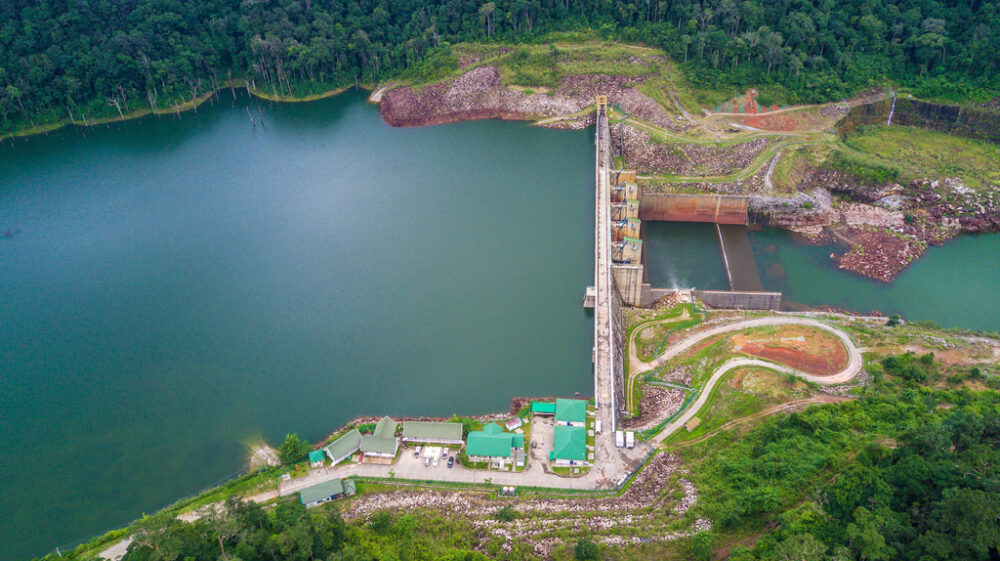
Feature / As hydropower transforms Laos, SEI and USAID launch a program to provide the country with the tools for long-term energy planning.