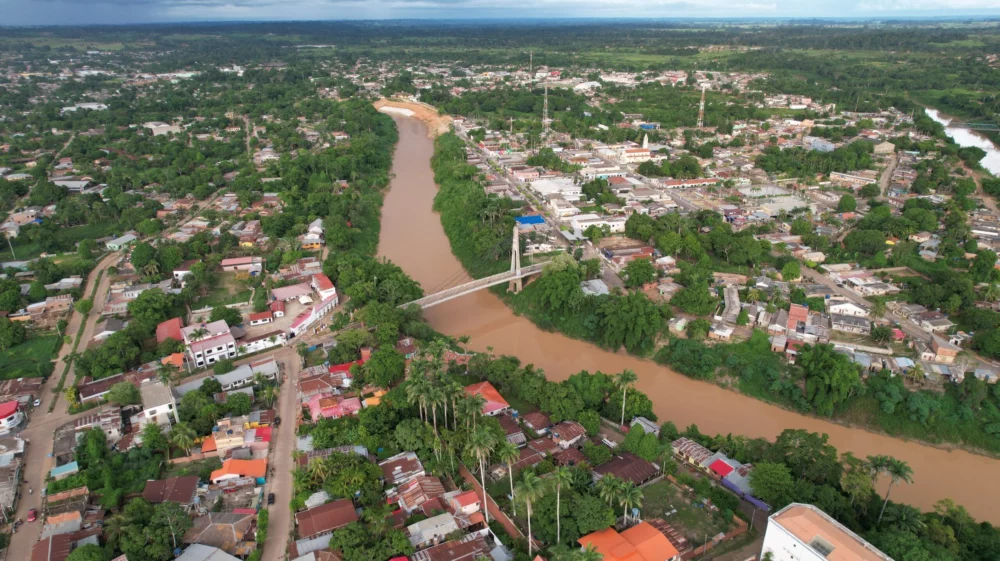
Unsafe water, poor sanitation and limited hygiene remain major drivers of enteric infection in low-resource settings. This study looks at enteric pathogen carriage among mothers and children in communities across Bolivia’s La Paz River Basin, with a focus on how infection patterns relate to water, sanitation and hygiene conditions. It highlights the importance of integrated WASH approaches in addressing health risks in vulnerable communities.
Enteric infections remain a major public health challenge in low- and middle-income countries, disproportionately affecting young children. The authors conducted a cross-sectional study to characterize the prevalence of enteropathogens among mothers and children from peri-urban and rural communities in the La Paz River Basin Bolivia, and to examine associations with water, sanitation, and hygiene (WASH) conditions.
Fecal samples were analyzed by real-time PCR to detect 21 viral, bacterial, and parasitic pathogens, alongside household surveys and water quality assessments. Sixteen pathogens were detected, 85% of participants carried at least one pathogen, with frequent coinfections. The most prevalent pathogens were Helicobacter pylori, adenovirus, EPEC, Giardia lamblia, and Shigella. Pathogen carriage was higher in rural than in peri-urban settings, with bacterial infections predominating in the lower basin and viral infections in the upper basin. Children carried more viral and parasitic pathogens, while mothers had more bacterial pathogens. Significant mother–child concordance was observed for several pathogens, supporting shared household exposures. Enteric pathogen carriage was strongly associated with drinking water source, sanitation practices, housing quality, and hygiene behaviors, particularly reliance on cistern/spring water, open defecation, and inadequate hand hygiene. These findings highlight a substantial and heterogeneous burden of enteric infections, underscoring the need for integrated WASH interventions.
Project / Bolivia WATCH works to arm the country's institutions with the information and capacity to connect two spheres: safe sanitation and watershed management.
Feature / Treated wastewater could irrigate Bolivia's small farms, but a workshop in La Paz showed that building the tool is only half the challenge.
Journal article / This journal article describes how community-informed water systems modelling has fostered more resilient, equitable water management in Cambodia and Bolivia.
Project / This project will generate key insights and practical recommendations to strengthen transboundary water governance in the Acre Trinational River Basin