Water and human systems are deeply interconnected, yet increasing water scarcity disproportionately affects vulnerable and impoverished communities, reinforcing existing social inequalities. Watersheds are shaped by both global forces such as climate change and local socio-economic dynamics, including power structures and extractive activities that marginalize minority communities.
This PLOS Water essay details how Community-Informed Water Systems Modelling boosts equitable water management.
Water planning models are increasingly more advanced at simulating hydrology, infrastructure, and future climate pressures, yet they still often miss a critical piece of the system: how water is accessed by different groups within a watershed. This paper introduces Community-Informed Water Systems Modelling (CI-WSM), a participatory approach that co-creates modelling choices with local stakeholders so social dynamics like marginalization, cultural norms, and unequal access are reflected in how water challenges are defined and assessed.
CI-WSM is designed to be flexible and applicable to established tools such as the Water Evaluation and Adaptation Planning (WEAP) model, adding socioeconomic depth to conventional planning. The framework follows five phases: contextual analysis, co-development with stakeholders, baseline conditions integrating social and biophysical data, future resilience analysis through climate and socio-economic scenarios, and policy influence that translates results into accessible, actionable strategies aligned with planning processes.
Image: SEI
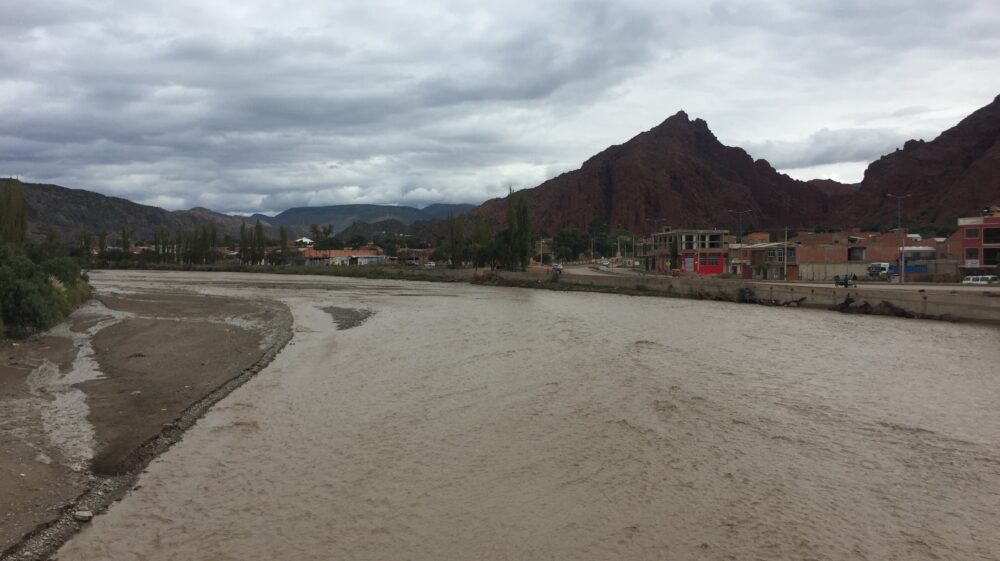
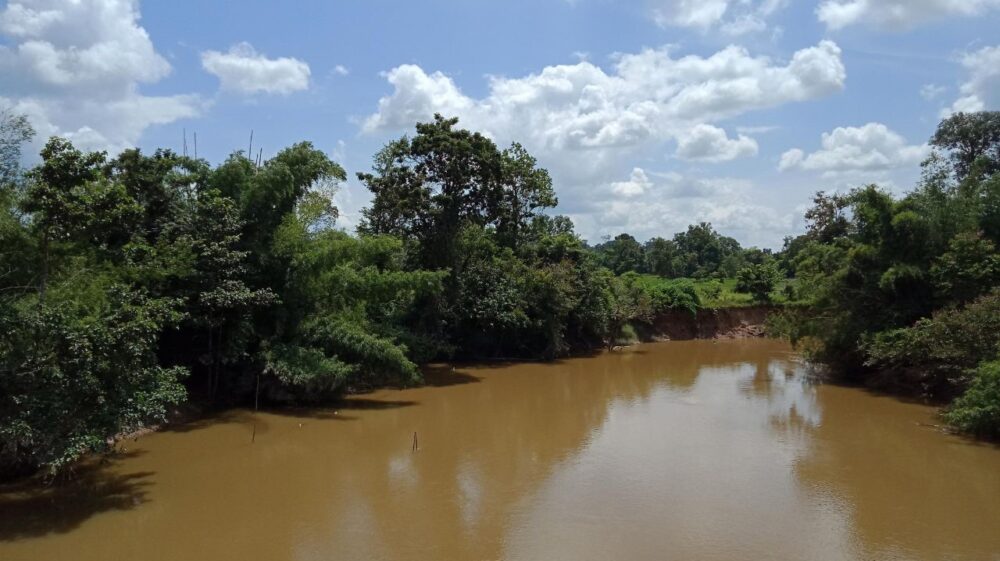
The paper tests key elements of CI-WSM across three case studies: Marquina (Bolivia), Stung Chinit (Cambodia), and Tupiza (Bolivia). Each case builds on lessons from the previous one, showing how mixed qualitative and quantitative methods can improve model representations of water rights and system position, upstream-downstream inequities in water collection burdens, and the links between poverty and domestic and agricultural water use across rural and urban areas.
Overall, the study shows how community-informed modelling can make equity considerations operational, improve the relevance of model outputs, and strengthen locally grounded decision-making. CI-WSM is presented as a transferable approach that helps communities and institutions use shared tools and evidence to support more inclusive, resilient water management.
Tool / The Water Evaluation and Adaptation Planning tool (WEAP) provides a comprehensive and user-friendly framework for policy analysis in water resources planning.
Feature / Farmers in Bolivia are struggling as their water supply becomes increasingly unreliable. Could better models lead to policies that help the most vulnerable?
Perspective / SEI researchers Felipe Benavides and Jeanne Fernandez reflect on a recent tour of Bolivia's Tupiza watershed, where residents have "lost everything."
Perspective / Preliminary findings suggest poverty and gender affect access to water for the home, agriculture and fishing.