This research compares the cost-effectiveness of different protection strategies in the Brazilian Amazon tropical forest, a globally important area for biodiversity and carbon storage that is threatened by deforestation and forest disturbances.
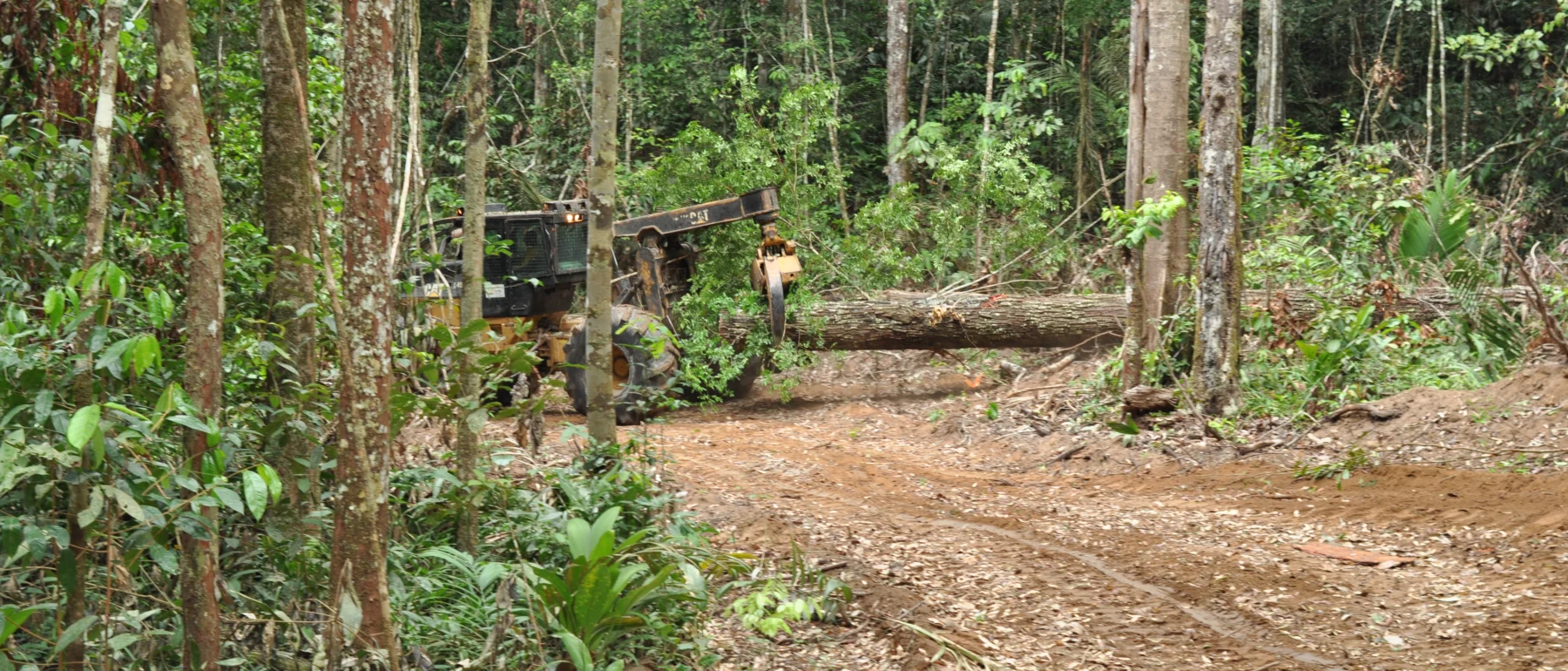
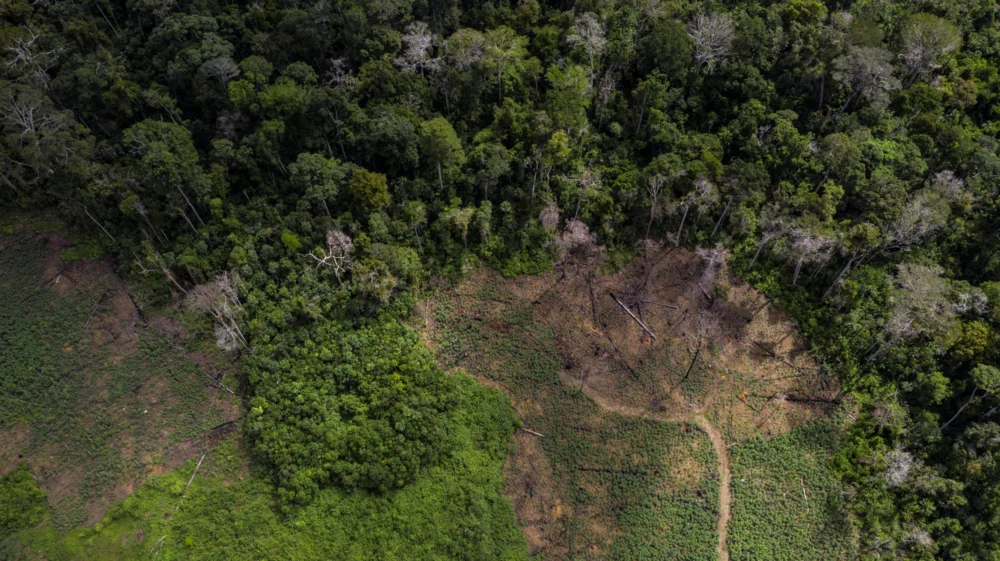
Halting deforestation and promoting restoration are at the core of strategies to confront the biodiversity and climate crises in tropical forests. Avoiding forest disturbance is also critically important but has received far less attention, and there is a lack of clarity about the relative cost-effectiveness of these three interventions. The authors compare the biodiversity and carbon benefits and costs associated with each intervention, comparing observed and counterfactual outcomes based on in-depth field assessments and high-resolution remote sensing in the Brazilian Amazon deforestation frontier. Avoidance interventions delivered the greatest benefits and were more cost-effective than restoration, with results being robust to a range of benefit and cost assumptions. However, combined interventions delivered the greatest gains and were essential to reverse biodiversity and carbon losses.
Press release / As El Niño intensifies across the Amazon, new research in Science highlights the urgent need to better protect the region’s remaining forests from disturbances.
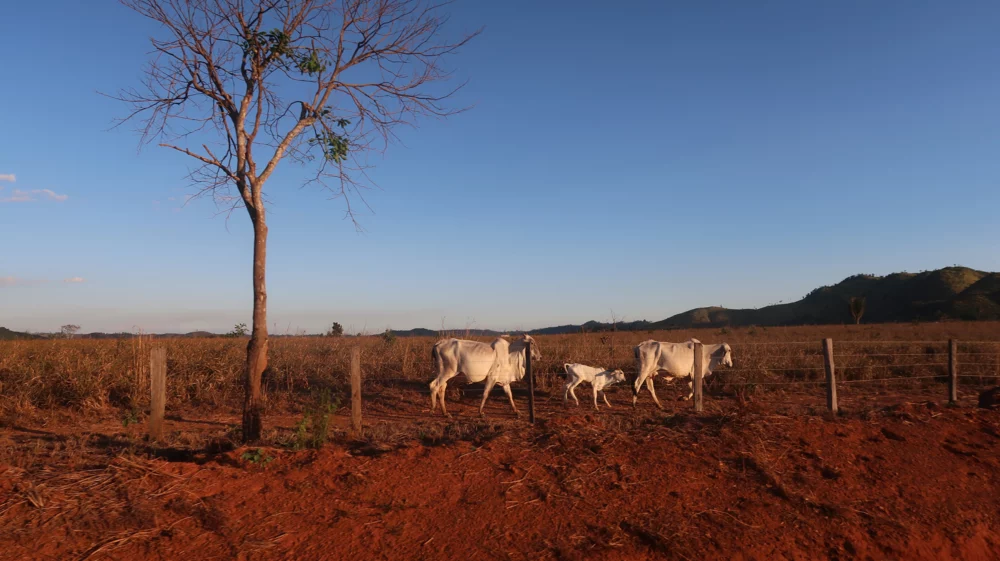
Journal article / This research explores how cattle ranching shapes the transition from forest frontiers to large-scale agriculture in the Brazilian and Colombian Amazon.
Press release / As El Niño intensifies across the Amazon, new research in Science highlights the urgent need to better protect the region’s remaining forests from disturbances.
Journal article / This research examines how climate extremes are changing across Amazonia, identifying patterns in temperature and water deficit across seasons and locations.