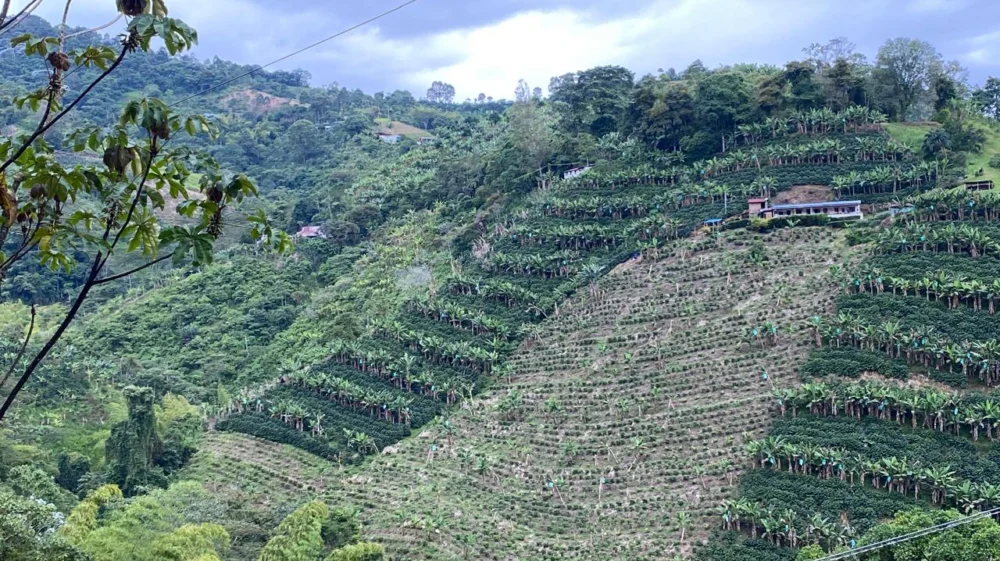
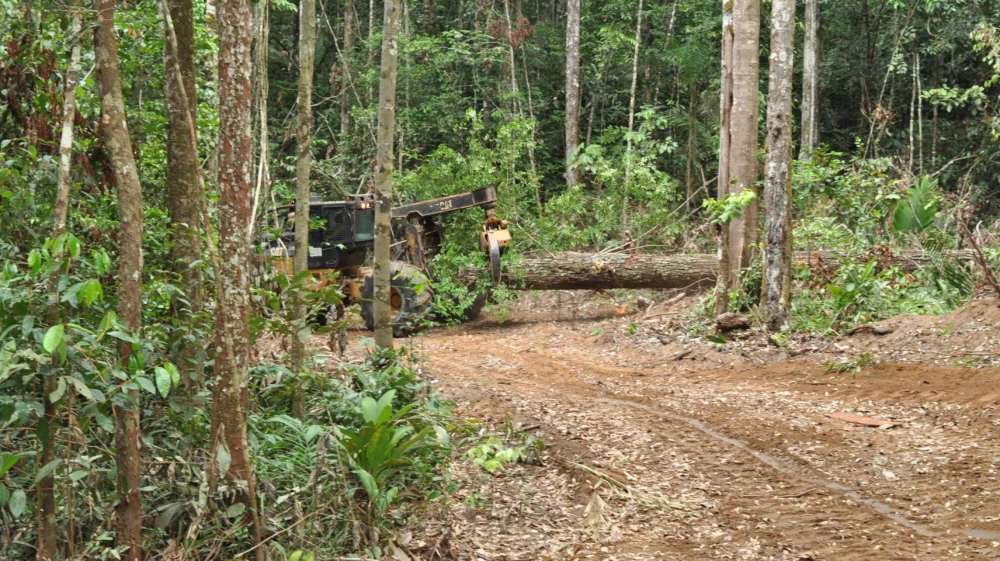
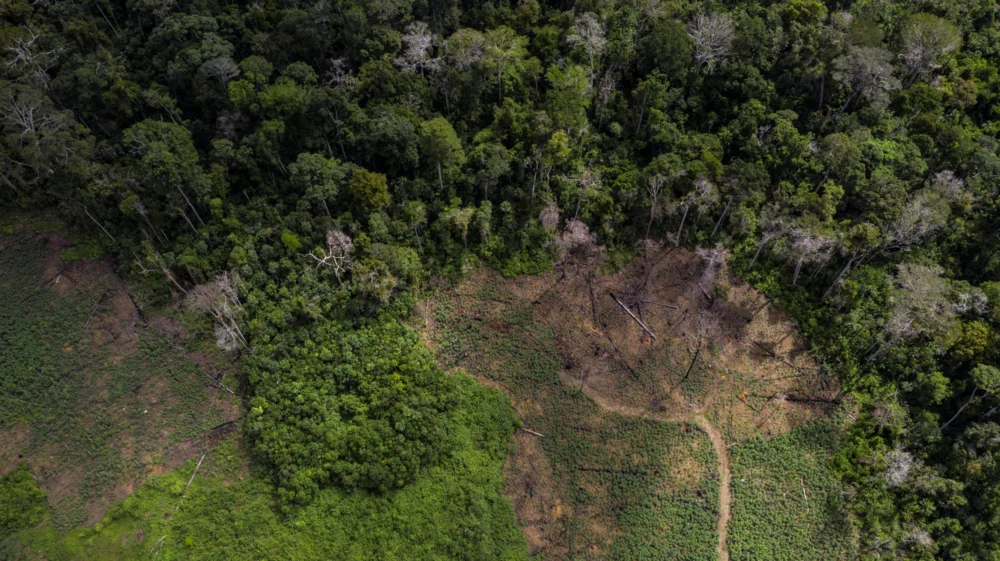
This research examines the role of cattle ranching in land-use change in the Brazilian and Colombian Amazon, looking beyond individual supply chains to consider relationships between sectors and broader landscape dynamics.
Unsustainable land-use change has become an increasingly critical social and environmental issue. Over a few decades, vast expanses of land with native vegetation or devoted to mixed-farming systems have given way to large-scale agriculture, incurring considerable biodiversity and livelihood loss. Cattle ranching and the production of a handful of internationally traded commodities such as soy and palm oil play a pivotal role in that expansion. They have led to numerous sustainability initiatives to curb their negative social and environmental impacts, yet a “supply chain” framing poses important limitations, for it typically fails to consider relationships between sectors and broader landscape dynamics. For one, there may be much stronger drivers than food consumption at play.
This article draws from the frontier literature and explores the concept of “vanishing mediator” to analyze the role played by cattle ranching in particular. Comparing the Brazilian and Colombian Amazon, the research assesses how ranching intermediates an ongoing transition between pre-frontier forest areas and capital-intensive monocultures. The analysis draws from land-use data and the scientific literature on each of the two cases as well as on a total of 30 key-informant interviews done in Brazil and Colombia.
The results show that cattle ranching’s role in spearheading deforestation in both countries cannot be understood without reference to its broader context, for it works as a vanishing mediator between pre-frontier settings and industrial agriculture. Ranching occupies frontiers with little infrastructure, paving the way for monocultures; it is instrumental to the land grabbing that makes the endeavor highly profitable; and, crucially, it precariously absorbs and co-opts displaced smallholders. Cattle ranching introduces the latter, as well as incoming settlers, to state institutions that previously neglected them and to a market-driven approach to land use that still preserves the trappings of rural living. Ultimately, however, people migrate to sprawling cities and clear the way for capital-intensive crops such as soy in Brazil and oil palm in Colombia.
The authors conclude that the notion of individualized “supply chains” is shortsighted for dealing with such broader dynamics. Instead, effective sustainability interventions require addressing local vulnerabilities and investing in economic alternatives that can successfully hedge against deforestation drivers.
Project / This project applies transitions theory and leverage points research to the problem of persistent forest loss in the tropics.
Feature / Coffee grower José María González Salazar is trying to preserve trees and crystal clear water through agroecology and multifunctional landscapes.
Journal article / This research compares the biodiversity, carbon and cost-effectiveness of forest protection, disturbance avoidance and restoration in the Brazilian Amazon.
Press release / As El Niño intensifies across the Amazon, new research in Science highlights the urgent need to better protect the region’s remaining forests from disturbances.