Editor’s choice
part of Citizen Science
While general participation in citizen science projects has bloomed, the use of the citizen science approach in schools has been impeded by the lack of accessible teaching resources. Our project addresses this obstacle by co-creating curriculum-aligned teaching resources which support incorporating citizen science in investigative enquiry and fieldwork in geography.
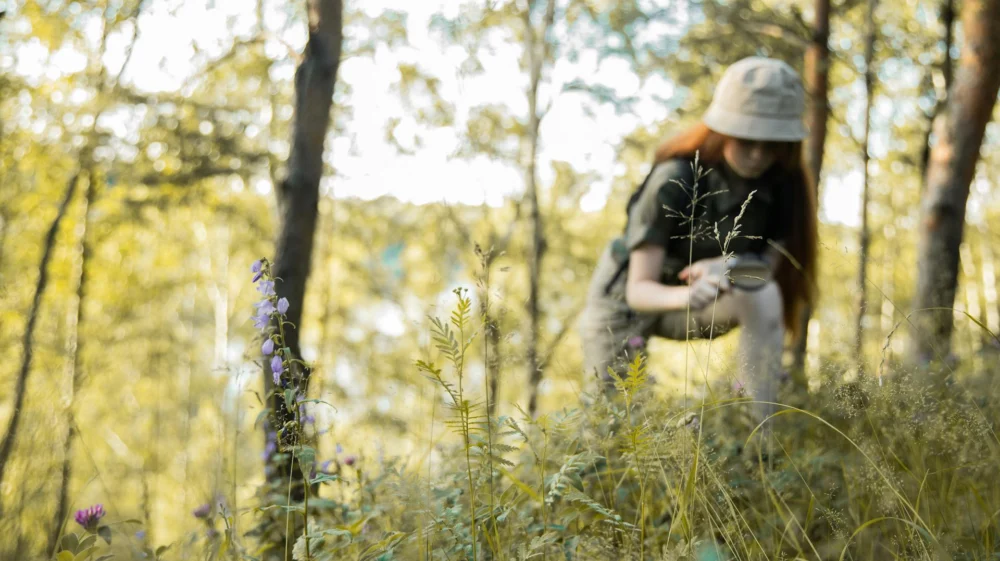
Photo: Pexels / George Pak
2025–2026
The project aims to create a toolkit with and for UK-based teachers to deliver practical and investigative projects that integrate citizen science into their learning.
Have you or people you know ever taught geography in UK schools? The project team would love to hear your perspectives about fieldwork, citizen science and spatial skills!
Please complete and/or share the survey (<10 minutes) to help with the development of the toolkit.
School grounds in the UK cover about 610 km² (based on Learning through Landscapes and the Field Studies Council), which provides great opportunities for student learning outside the classroom. Our project focuses on giving students the skills and knowledge to be able to investigate the accessible environs literally under their feet (school grounds and neighborhoods), whilst having the opportunity to contribute to wider citizen science projects on a national and/or international scale.
We know that for teachers to deliver this sort of innovative curriculum content engagingly, they need pedagogically-sound resources that can be delivered with scaffolded preparation for maximum efficacy and student engagement. Co-creating these resources with current teachers and PGCE Geography teaching candidates will ensure their usefulness across curricula and contexts.
The project aims to create a toolkit with and for UK-based teachers to deliver practical and investigative projects that integrate citizen science into their learning. Citizen science is where the public conduct research with experts using established methods to answer real-world questions. In the early phase of our project we want to involve educators in the testing and development of the resources we will be developing. Furthermore, we would like to include the input of university Postgraduate Certificate in Education, Initial Teacher Training (PGCE ITT) students to test the resources in practice. We believe this will help to give new teachers the skills outlined above, but also to equip ourselves with a perspective of what incoming teachers would benefit from in scaffolded educational resources.
Our project also aims to contribute to areas of the UK Department for Education’s Sustainability and Climate Change Strategy. Through the resources we will curate, teachers will be supported with strategies to aid their students in developing environmental investigative skills to build an awareness of sustainability. Through the citizen science theme of our resources, students have the opportunity to engage in real-world sustainability projects.
Smriti is a recipient of a Royal Geographical Society Innovative Geography Teaching Grant, which funds this project.
Project / Investigating if and how hands-on experiences with nature impact values, attitudes and pro-environmental behaviour amongst secondary school students.
2023 - 2025 / About Public policy
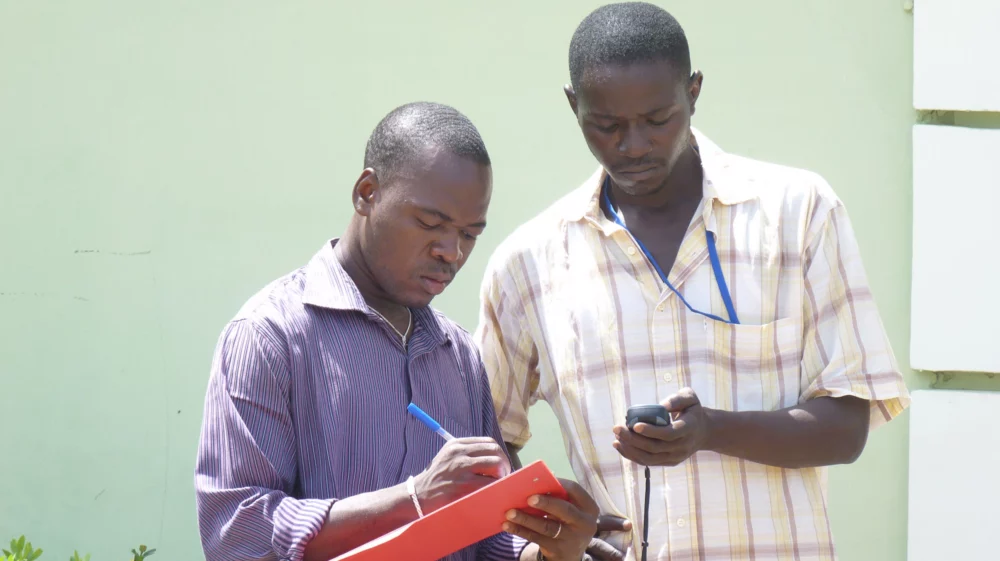
Journal article / Reflecting on projects conducted in Kenya and Thailand, researchers have produced a six-step methodology to support others using citizen science approaches.
2 April 2025 / About Cities, Climate policy, Participation and Wellbeing
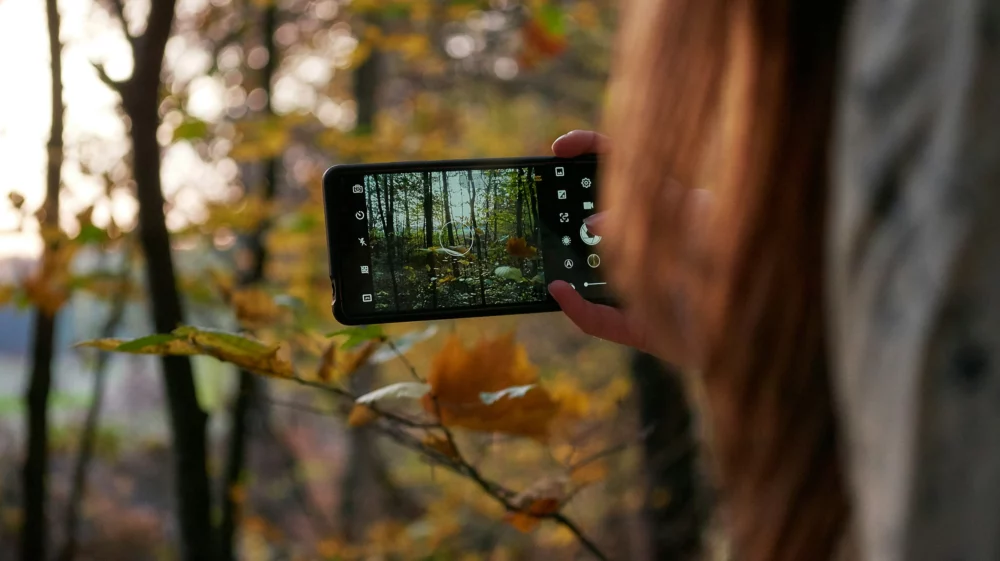
Feature / Smriti explains how York residents can contribute to this international event by recording wildlife they see and why she is passionate about citizen science.

22 March 2024 / About Cities and Ecosystems