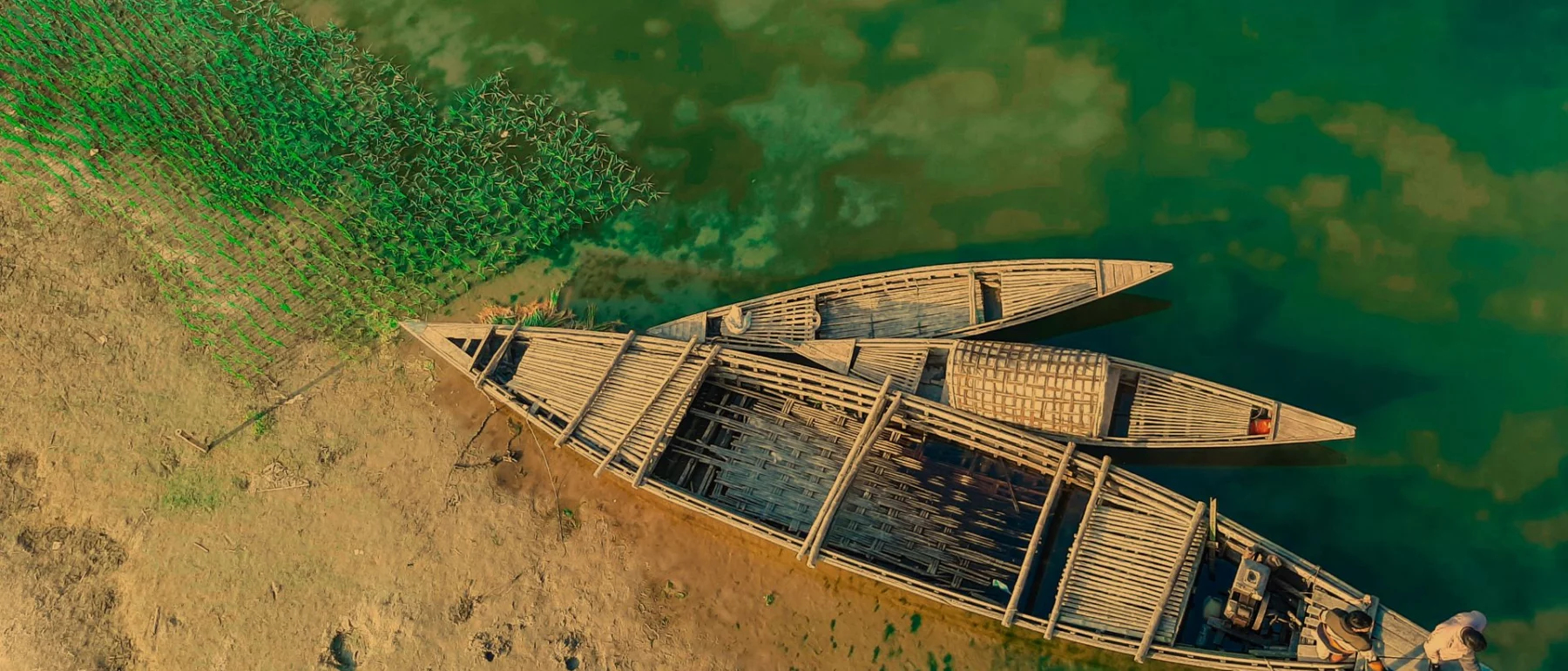
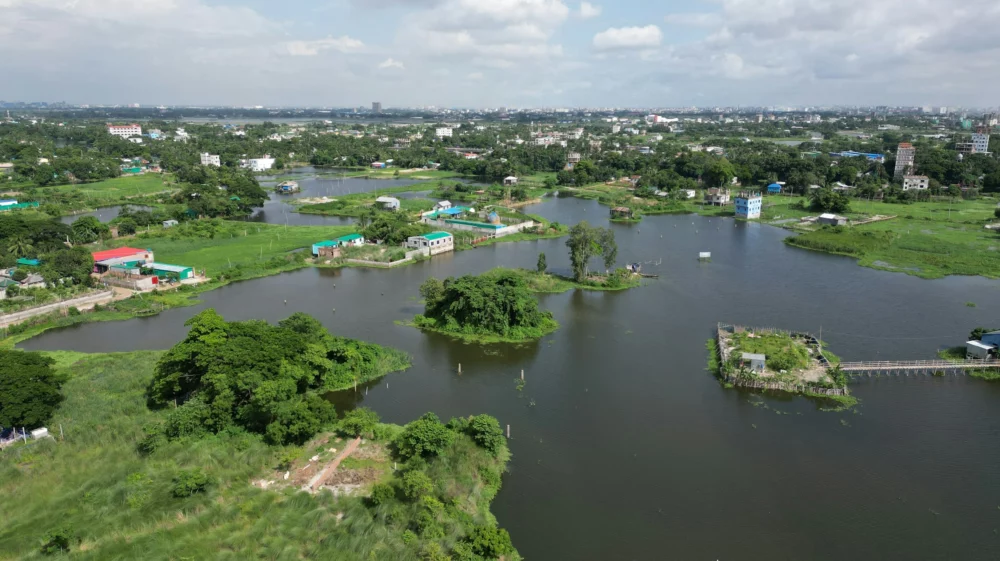
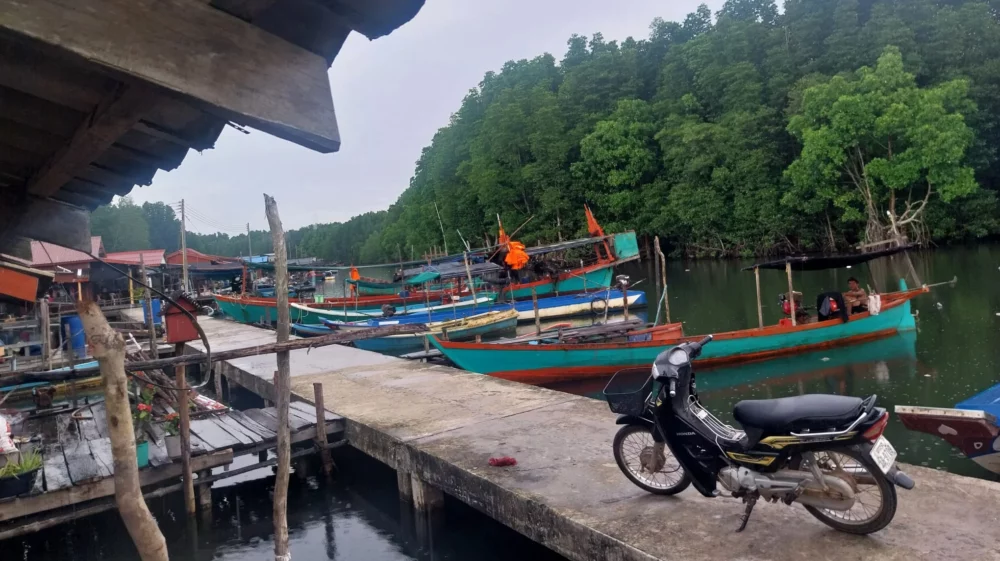
This article explores gender-differentiated lived experiences of fisherfolk in a changing climate and encourages a gender-transformative approach towards equitable outcomes for women and men fisherfolk in Kurigram, Bangladesh.
The authors conducted a qualitative study from January to August 2025, engaging fisherfolk in Kurigram District, Bangladesh. Through purposively sampled key informant interviews (n = 7) with respondents from academia, civil society organizations, and government actors identified as working with small-scale inland fisheries, conventional focus group discussions (FGDs, n = 8), and photovoice FGDs (n = 4 photovoice FGD sessions). Thematic analysis was applied across all data sources to explore gender-differentiated lived experiences of fisherfolk in a changing climate.
Both women and men face marginalization, powerlessness, inequity, and environmental degradation, which serve as primary barriers to climate resilience. Women are most impacted due to the interaction of complex, intersecting factors that compound marginalization and inequality, increasing their vulnerability. There is elite capture of inland fisheries by powerful, wealthy men who also engage in harmful fishing practices and restrict access to the beels, marginalizing fisherfolk and putting their livelihoods at risk, consequently eroding the vital local and traditional ecological knowledge needed to sustain these social-ecological systems. Systemic and structural changes are crucial for fishing communities to achieve transformative resilience. Current disaster risk reduction and resilience efforts are gender-sensitive or gender-responsive at best, often failing to sustain.
This study applies a Feminist Political Ecology lens and encourages a gender-transformative approach as a way forward. Revisiting fisheries governance and making it bottom-up by nurturing fisherfolk’s stewardship is vital in this climate-changing context. The polycrisis of climate change, disasters, gender and social inequalities, and marginalization demands a shift from conventional adaptive resilience to transformative resilience that will deliver equitable outcomes for women and men fisherfolk.
Program / This 4-year program aims to foster stronger cooperation in managing shared water resources and building resilience among riparian communities.
Perspective / This piece looks at the gap between policy labels and lived reality when livelihood practices are branded as nature-based solutions.
Past event / This photo exhibition will showcase images by fisherfolk communities in Bangladesh.
Press release / Amplifying the voices of fishing communities to advance inclusive, climate-resilient resource governance across South Asia.