This article presents a novel concept, “stickiness”, to measure and characterize the level of stability and rigidity of supply chain relationships. Understanding stickiness can inform policies and initiatives to address deforestation, in particular, to assess the potential effectiveness of supply chain zero-deforestation commitments.
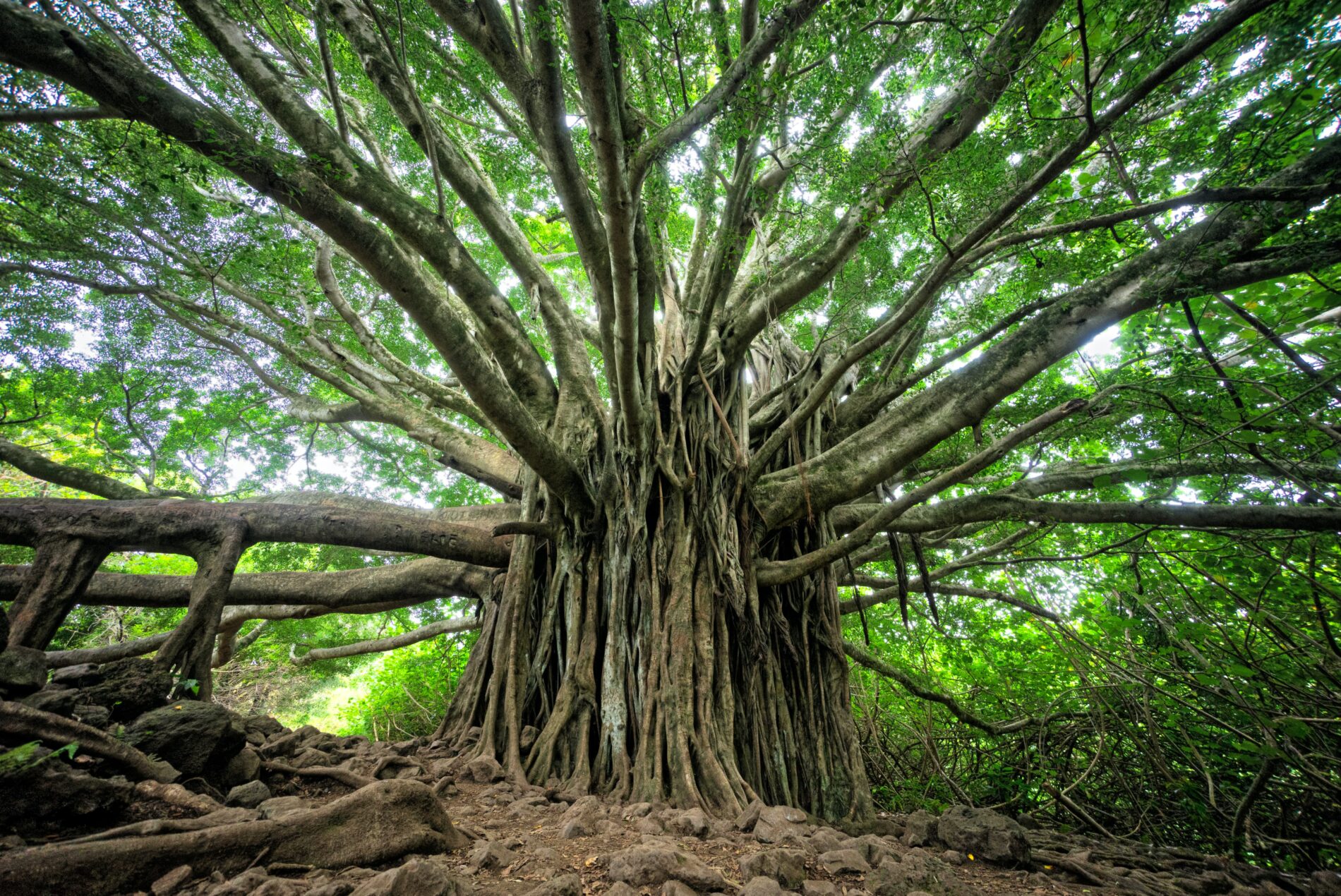
Photo: Brandon Green / Unsplash
Commodity trade is central to the global economy but also associated with socio-environmental impacts, for example, deforestation, especially in producer countries. It is crucial to understand how geographic sourcing patterns of commodities and commercial relationships between places and actors influence land use dynamics, socio-economic development, and environmental degradation.
In this article a concept and methodological approach is proposed in order to analyze the geographic stickiness of commodity supply chains, which is the maintenance of supply network configurations over time and across perturbations. Three dimensions of stickiness are explored:
Policy-relevant metrics are provided for all Brazilian soy exports between 2003 and 2017, using high-resolution supply chain data from trase.earth (the public supply chain information system developed by SEI and Global Canopy).
The article finds that the Brazilian soy traders with the largest market-share exhibit stickier geographic sourcing patterns, and that the supply network configurations between production places and traders become increasingly sticky in subsequent years. Understanding trade stickiness is crucial for supply chain accountability because it directly affects the effectiveness of zero-deforestation commitments.
Senior Research Fellow and Team Leader for Trase Research and Development
SEI Headquarters
Tool / Trase permite a los gobiernos, empresas y otros abordar los impactos ambientales de las cadenas de suministro.
Project / Assessing trade in agricultural commodities e.g. palm oil and soybean production in environments at risk.
Feature / Using Trase transparency data, discover insights into how companies' and importers' sourcing of Brazilian soy could link them to deforestation.
Perspective / The Data Revolution can radically alter how we combat tropical deforestation – but it's not just about generating new data.