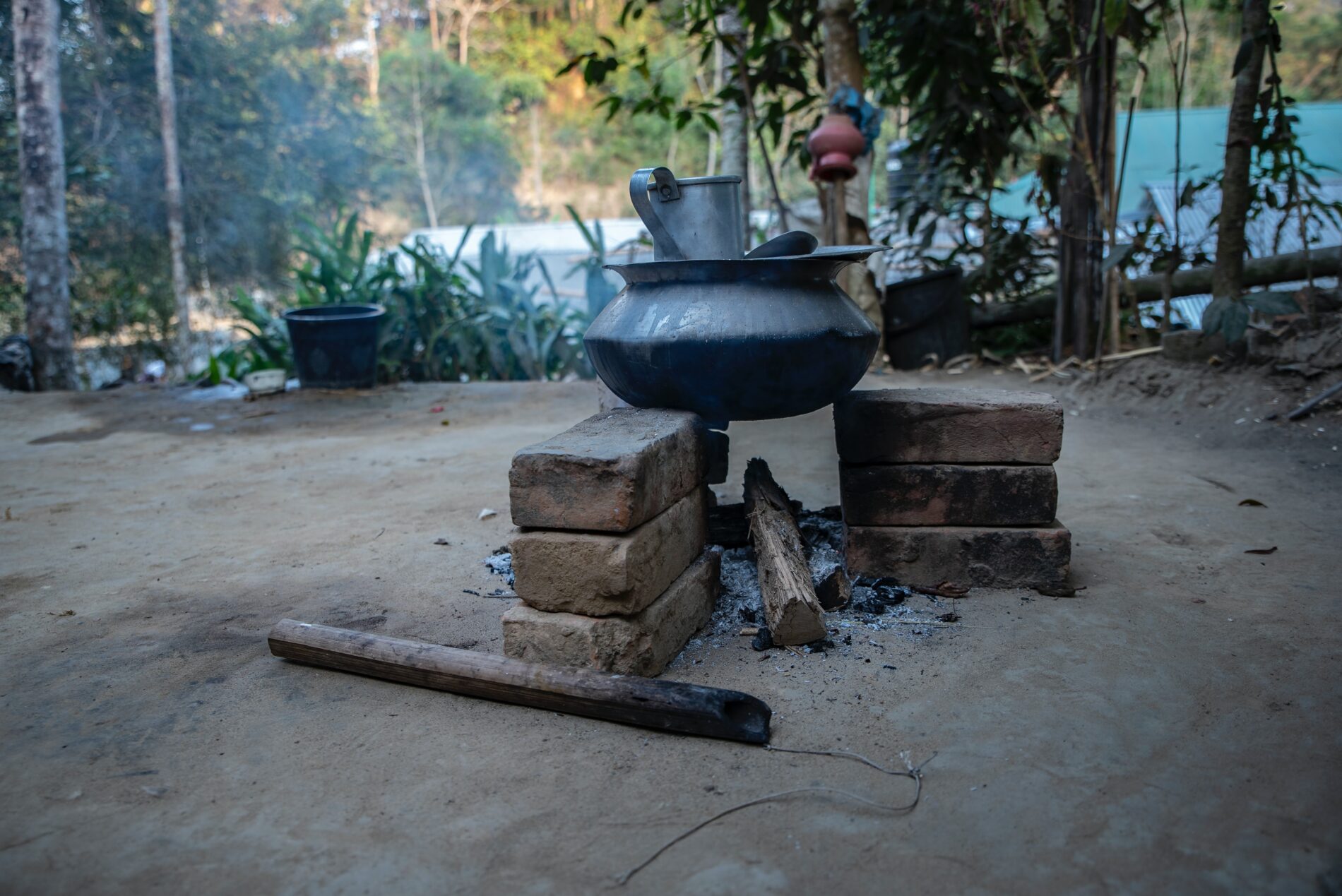
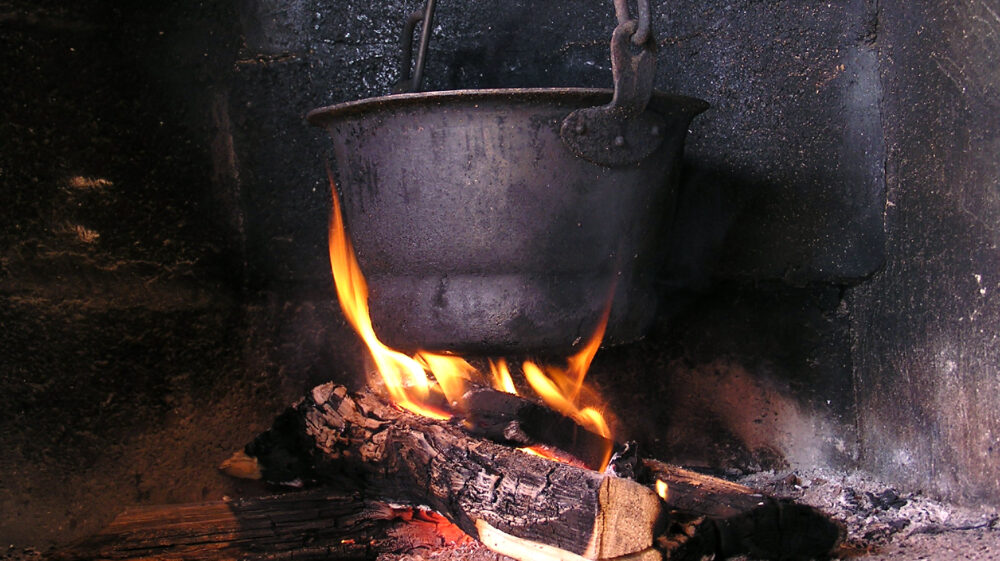
Nearly 3 billion people across the globe lack access to clean cooking fuels like liquefied petroleum gas (LPG) and electricity. They depend on polluting solid fuels like firewood, crop residues and dung burned in open fires or simple stoves.
Furthermore, evidence indicates that even when people gain access to cleaner fuels, they persistently “stack” stoves, or use polluting options in parallel with clean ones.
Photo: Md. Golam Murshed / Unsplash
This paper discusses factors that can lead to bias in cooking energy transition analyses, and tests the level of bias when objective data is available for clean cooking consumption.
The research finds a statistically significant difference between self-reported annual LPG consumption and annual consumption determined by purchase records cylinders. Only 15% of consumers accurately reported their consumption. Reporting errors are remarkably one-sided, which suggests systemic bias. About 78% of respondents over-reported their consumption, while only 6% under-reported.
These findings raise serious concerns about the reliability of research that relies on data from self-reported surveys through face-to-face interviews, which is the norm in developing countries.
Project / This project examined the potential of a dual-pronged approach to developing technical and social alternatives to charcoal in Zambia.
Initiative / This initiative aims to guide decision-makers towards more cohesive and constructive governance of bioeconomy pathways, with a focus on the Global South.
Journal article / Researchers analyze case studies and data on the prevalence of cookstove "stacking," in which households often mix stove types, undermining clean cooking goals.
Journal article / Researchers examined fuelwood use in two rural Indian districts where clean cooking solutions were implemented.
Journal article / This research explores how using grates and rock beds in open fire cooking can reduce harmful emissions and wood consumption in remote, low-income locations.