Photo: MD Duran / Unsplash
Technical "solutions" for human health or the environment introduced through development interventions, such as clean cookstoves, often fail to take hold because people never truly embrace them. SEI explores individual and household behaviour to better understand how and why people take up new technologies.
381 results / 7 of 43 pages
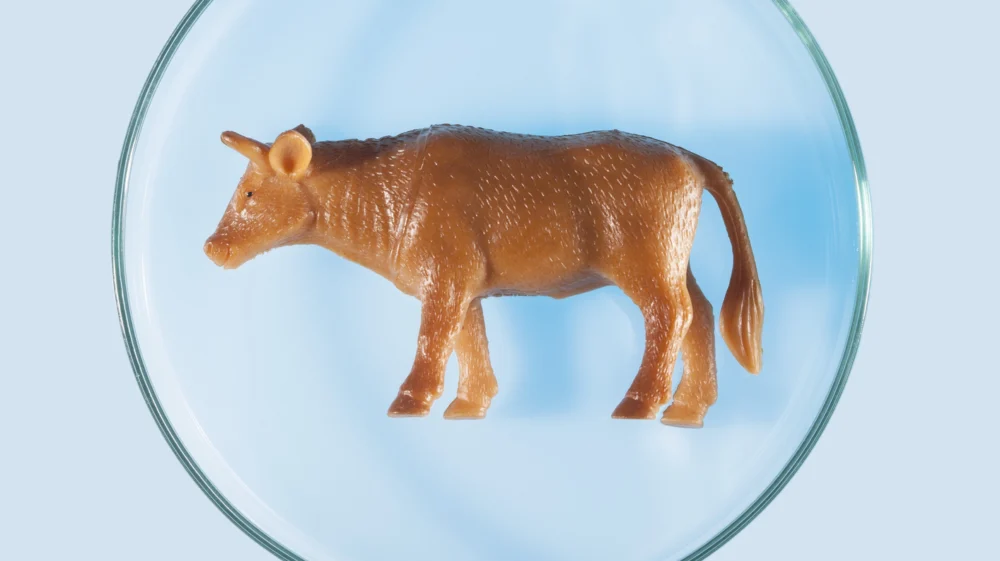
Other publication / This report focuses on the potential environmental, health, social and animal welfare implications of the uptake of novel meat and dairy alternatives.
Feature / SEI scientists weigh in on the new UNEP report exploring potential effects of some novel alternatives to conventional animal products, which launched at COP28.
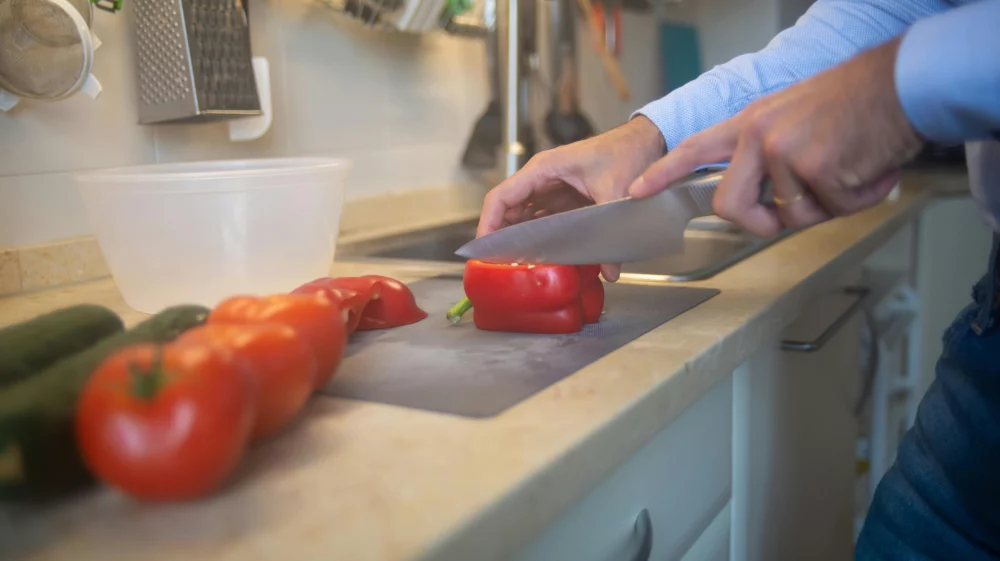
Project / Household food waste contributes significantly to greenhouse gas emissions. Urgent action is needed for Sweden to reduce it by 25% before 2025.
Journal article / This paper highlighted key barriers and enablers for Southeast Asian SMEs to transition to circular practices.
SEI working paper / This working paper examines cases in Colombia and México where gas infrastructure is expanded with little market justification, risking gas lock-in.
Project / The Ugandan government hopes to scale up cleaner cooking options to curb the health and climate damage caused by burning wood and charcoal.
SEI working paper / First results from the Klimatkalkylatorn dataset can help tease out many factors’ importance for household footprints, to help policymakers focus their efforts.
Promoted podcast / This podcast navigates the complexities of mindful consumption in a vibrant fashion landscape.
Journal article / Experts call for a just transition away from meat production and consumption with a five-step approach for governments to follow.