Photo: chuttersnap / Unsplash
More than 65% of the world's population are projected to live in urban areas by 2050, with major implications resource use, energy, water and sanitation, and health and well-being. At the same time urbanization can bring benefits, especially efficiency gains. SEI examines these challenges in the round to advance sustainable urbanization.
631 results / 70 of 71 pages
Journal article / Environmental implications of urbanization and lifestyle change in China: Ecological and Water Footprints
Tool / Resources and Energy Analysis Program (REAP) helps policymakers understand and measure the environmental pressures associated with human consumption.
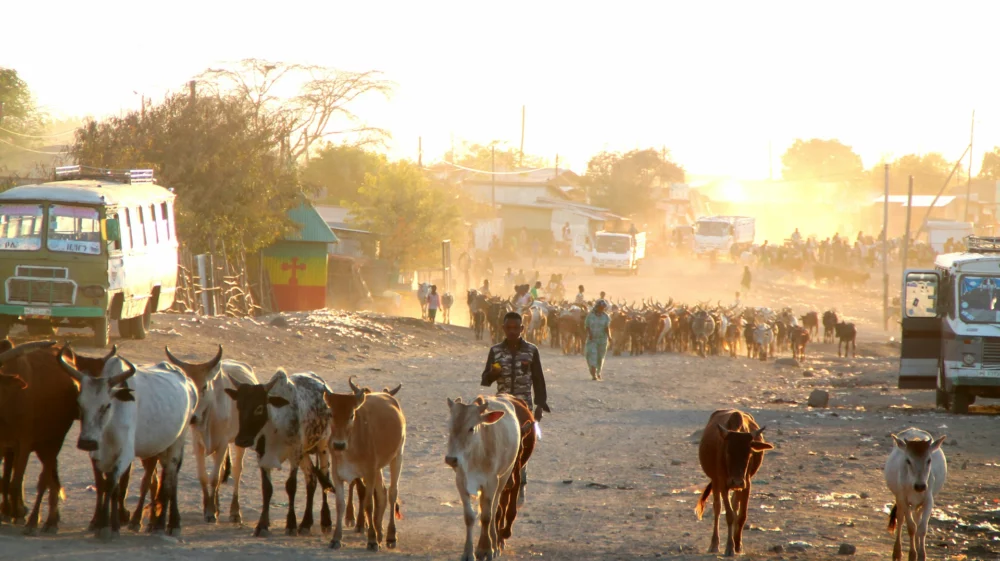
Project / This research project explored changes and transformations in urban-rural interrelations of Ethiopian towns.
Project / The OPAL project encourages people to get back in touch with nature by enabling them to explore and study their local environments.
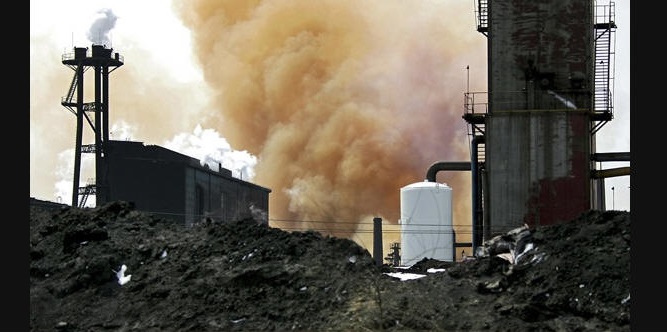
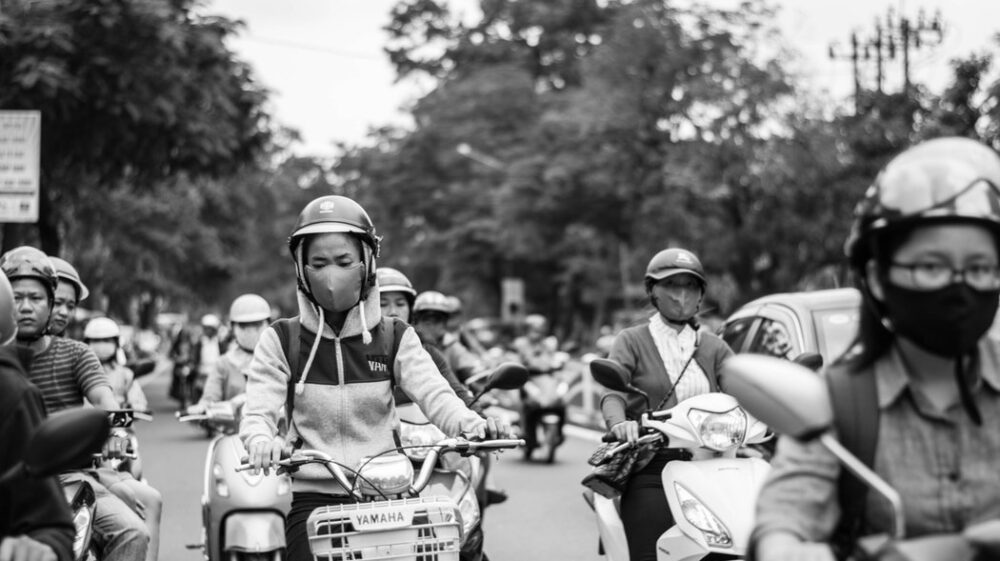
Project / Regional networks and international organisations developing policies and programmes protecting public health and the environment from atmospheric pollution.
Tool / Compilation of emission inventories to develop effective policies to protect public health and the environment from harmful effects of atmospheric pollution.
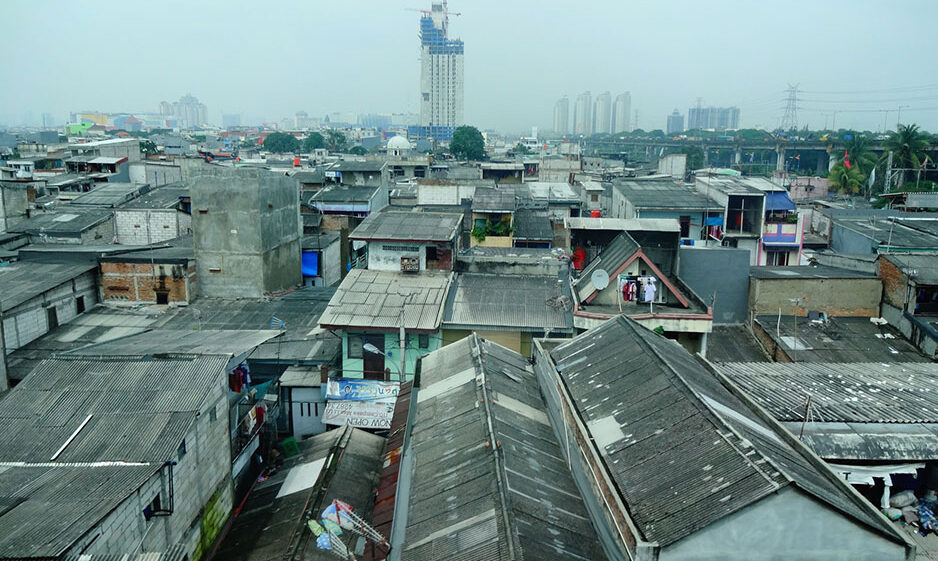
Journal article / This article uses data from a Jakarta household survey to explore household defensive behaviour and illness, and how these factors determine diarrheal disease.