Photo: SEI
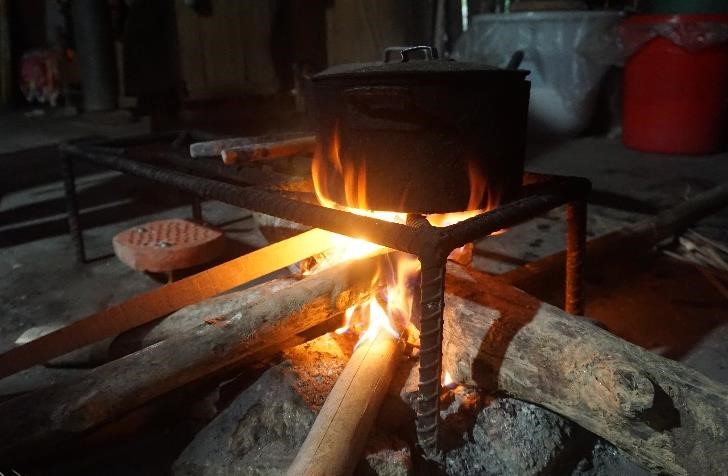
Around 2.4 billion people use biomass fuels - wood, charcoal and animal dung - for their domestic energy needs. These are typically burned in inefficient stoves or on open fires, with serious consequences for health and the environment. SEI identifies and designs actions to help households transition to cleaner technologies and energy sources.
258 results / 15 of 29 pages
SEI brief / The Initiative analyses on-the-ground deployment experiences and aims to address barriers faced by off-grid technologies.
Journal article / This article reviews academic literature to identify the most successful ways to bring about behaviour change and encourage the use of cookstoves.
Other publication / This chapter focuses on bioethanol as a cooking fuel and the impacts of its use as an alternative to traditional biomass fuels in Sub-Saharan Africa.
Other publication / This chapter discusses four critical aspects that can facilitate sustainable bioenergy transitions and climate-compatible development in Sub-Saharan Africa.
Feature / A new study finds that rock beds and grates can reduce wood consumption by 31–58% and emissions by 51–84%.
Journal article / Researchers explore household behavior that influences the uptake of cleaner-burning cookstoves outside Nairobi, Kenya.
Journal article / The study combines a bottom-up energy model with socio-technical analysis of barriers in the Swedish residential building stock
SEI brief / A service design-driven approach to understanding the use of cleaner cookstoves in peri-urban Kenya
SEI report / A participatory exercise to introduce the concept of transitioning to electricity for cooking in a rural off-grid community.