Photo: Joanne Francis / Unsplash
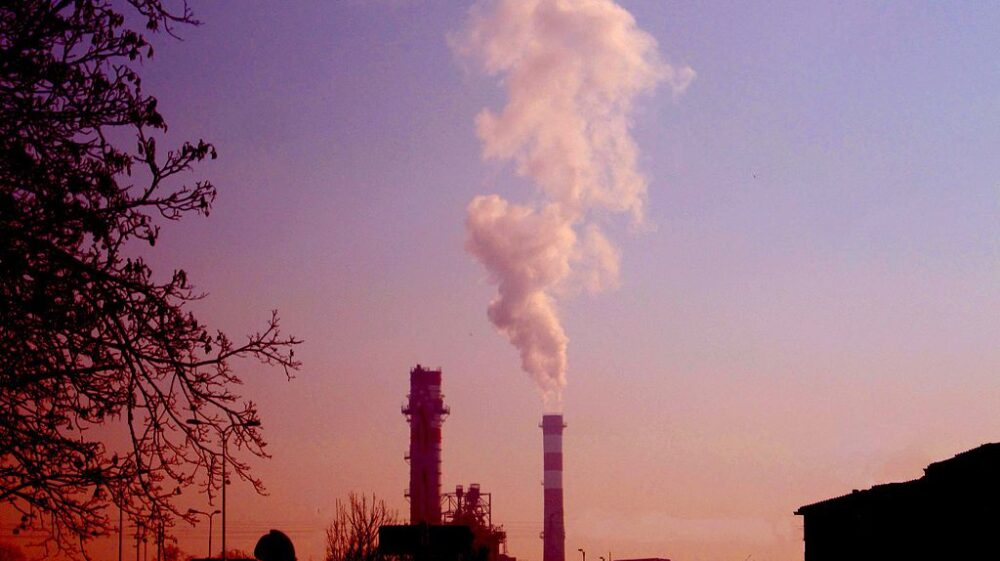
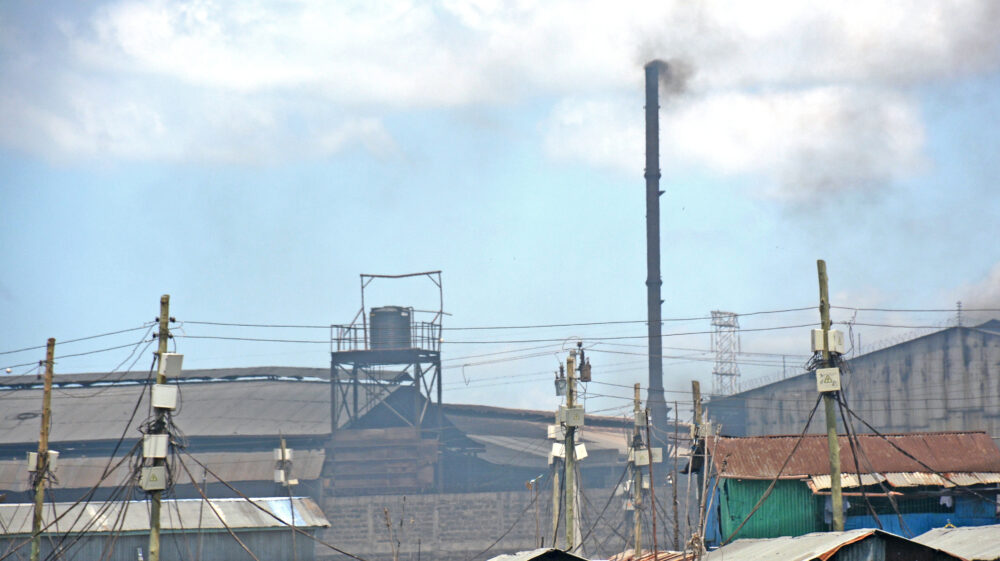
We assess the impacts of and work to reduce the levels of short-lived climate pollutants – such as soot, methane and ozone – in the atmosphere. These agents affect human health and contribute to global warming.
271 results / 24 of 31 pages
Other publication / Chapter in Quantifying Co-Benefits in Asia: Methods and Applications’, Asian Co-benefits Partnership White Paper 2018
Other publication / Chapter in the The Emissions Gap Report 2017
Journal article / This paper explores whether the variation in ozone sensitivity among woody species can be linked to interspecific variation in leaf morphology.
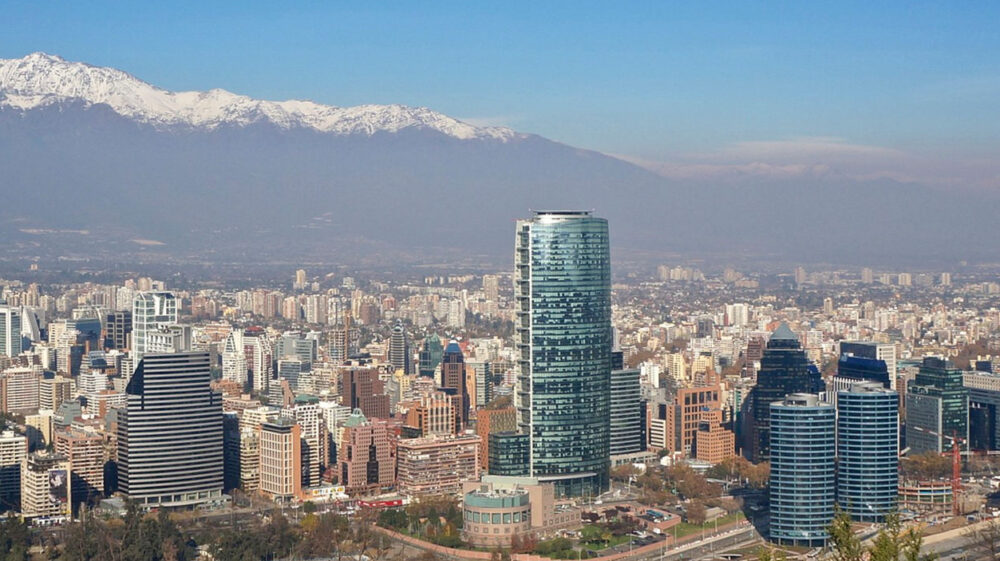
Journal article / This study quantifies the contribution of hourly nitrogen dioxide (NO2) variation to annual NO2 concentrations at > 2500 sites across Europe.
Feature / Kenyan government showed interest in the LEAP-IBC energy planning tool at a seminar in Nairobi.
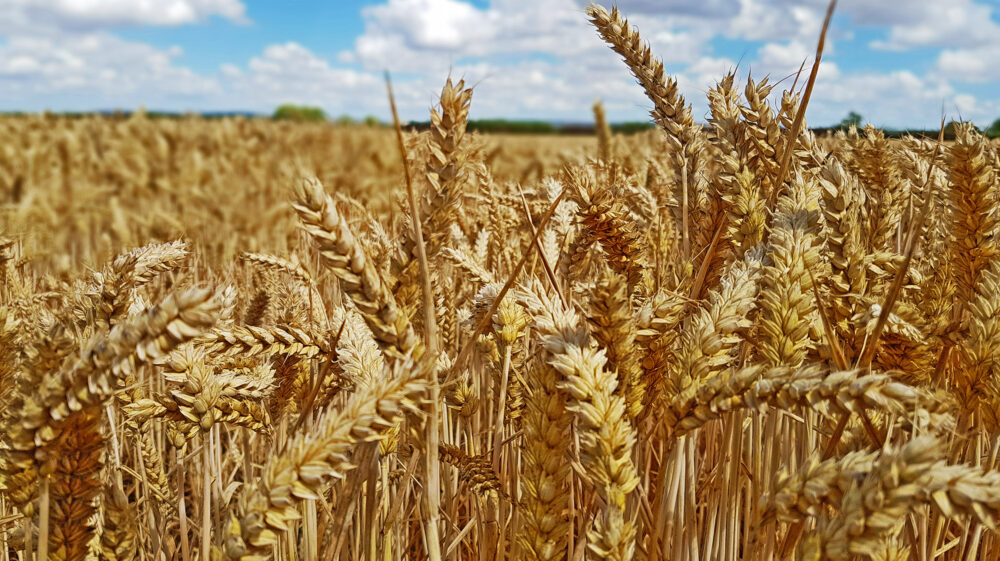
Journal article / This article shows where ozone pollution reduces global crop yields and suggests actions to improve crops resilience.
Feature / Short-lived climate pollutants (SLCPs) can have a big impact on climate change. SEI’s new LEAP-IBC tool shows that cutting emissions also has health benefits.
Journal article / The TOAR-Vegetation report provides recommendations to facilitate a more complete global assessment of future ozone impacts on vegetation.
Journal article / This paper explains how ozone affects arable crops and how these processes can be incorporated into existing crop models.