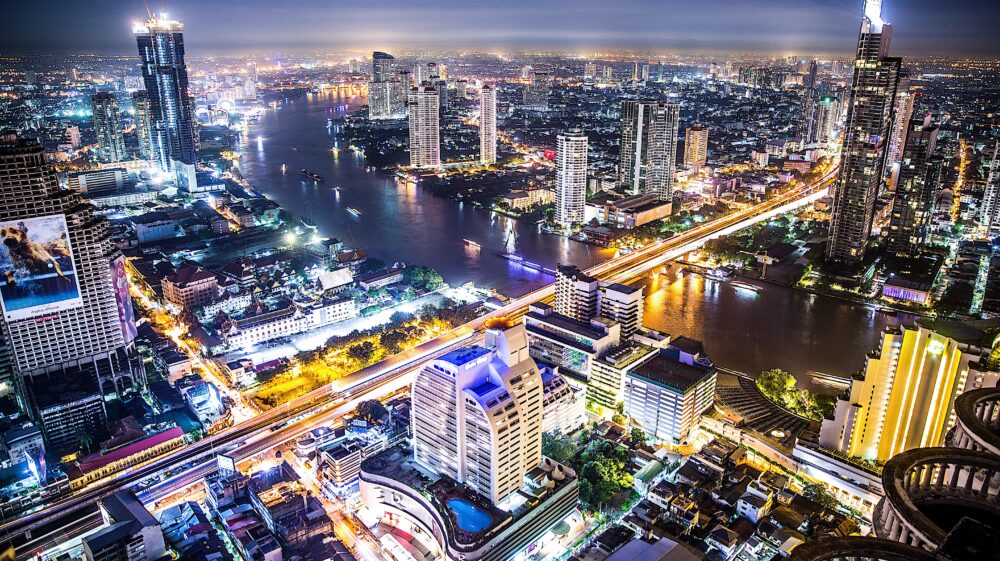
Photo: chuttersnap / Unsplash
More than 65% of the world's population are projected to live in urban areas by 2050, with major implications resource use, energy, water and sanitation, and health and well-being. At the same time urbanization can bring benefits, especially efficiency gains. SEI examines these challenges in the round to advance sustainable urbanization.
635 results / 50 of 71 pages
Feature / Learning Labs, created by SEI and partners for southern African cities, underscore the importance of collaboration to address urgent climate adaptation needs.
SEI brief / Here are 10 ways that climate service providers can support climate change adaptation planning and decision-making.
Project / This project provides cities with an adjustable framework to assess their level and potential for circularity.
Journal article / This exploratory study applies a standardized analysis framework to health and wellbeing metrics of cities in the UK, Sweden, Estonia, Kenya and Thailand.
Journal article / Using citizen science approaches to explore personal exposure to air pollution of selected informal settlement dwellers in Nairobi, Kenya.
Past event / Nordic countries offer proven and scalable solutions for cutting emissions globally. What would the impacts be if more cities joined in?
Perspective / Sanitation discourse in Kenya has made strides towards inclusiveness, realism and sustainability, but what happens after will decide the event's true success.
Press release / SEI participated in the release of a report highlighting the contribution of innovative green solutions in Nordic cities to the reduction of carbon emissions.
Media coverage / As Tacloban city struggles six years after being devastated by Typhoon Yolanda, a call to transform current development and recovery models.