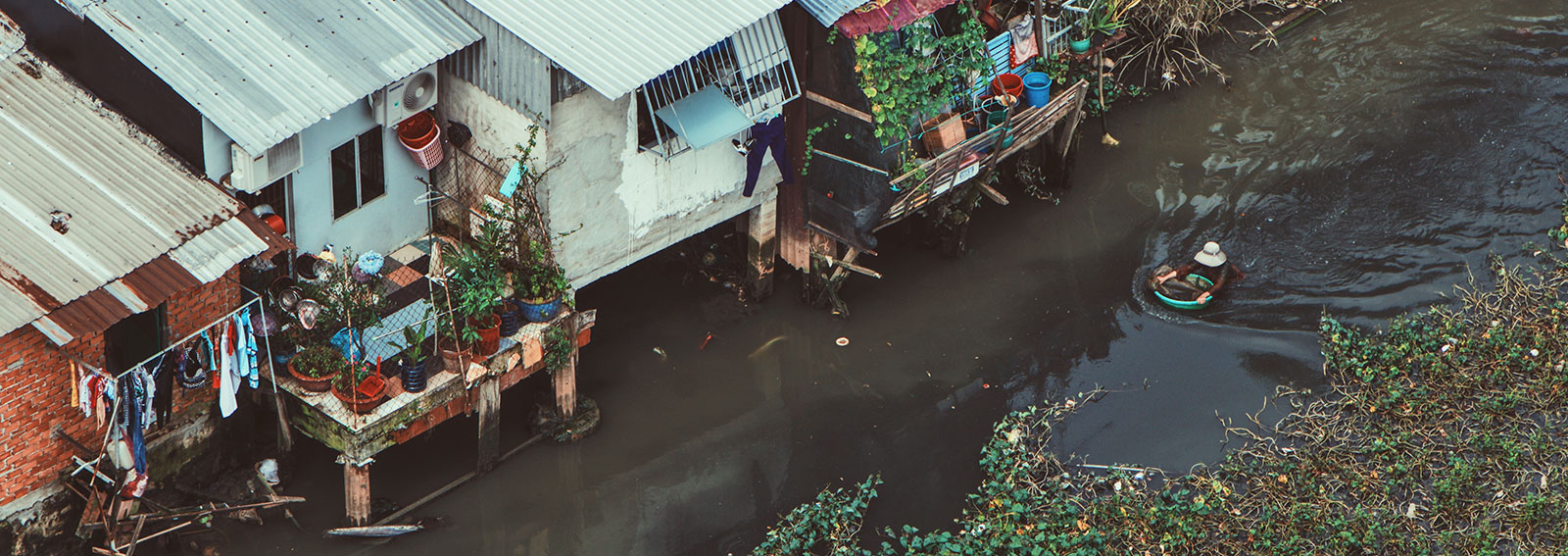
Photo: Tony Lam Hoang / Unsplash
Our research recognises that disaster risk and development are closely linked: it is development processes that largely determine who and what is exposed to risk as well how much, and how effectively they can respond. SEI works to integrate disaster risk reduction with equitable, sustainable and resilient development.
609 results / 54 of 68 pages
Feature / If decision-making imbalances are ignored, adaptation can perpetuate inequalities. Find out how a new index will identify imbalances and measure success.
Feature / Bolivia faces a deepening water crisis. SEI helped plan for the future by creating the first-ever comprehensive model of Bolivia’s rivers, lakes and streams.
Journal article / This paper, based on an analytical literature review, reveals four themes essential in understanding equitable resilience in practice.
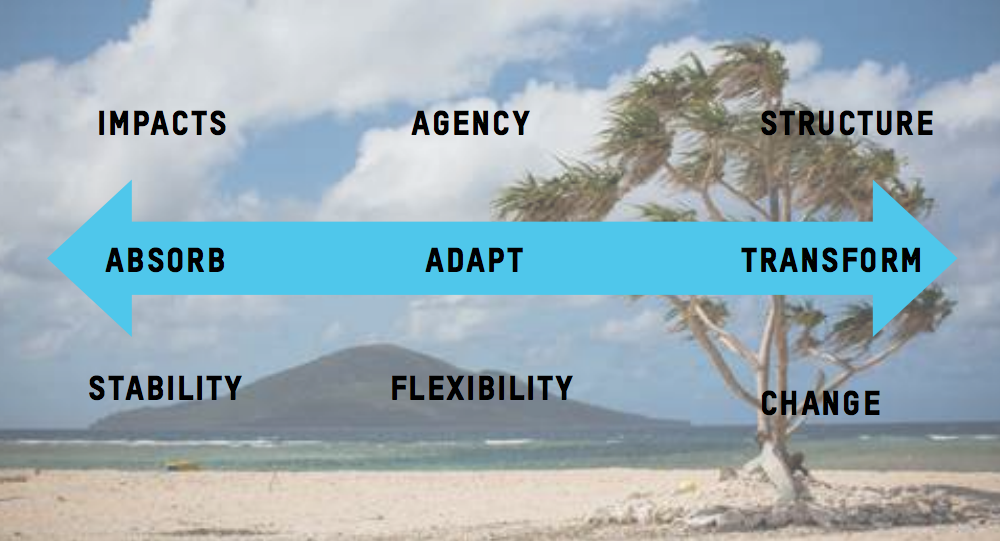
Journal article / Based on a literature review, here are three opportunities that could lead to transformation in the development-disaster risk relationship.
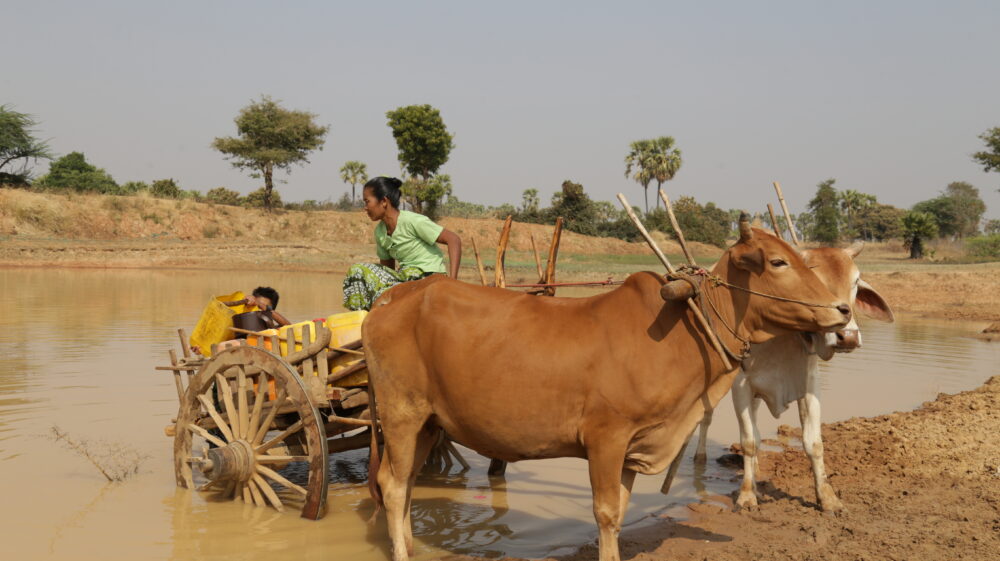
Feature / In the dry and arid central region of Myanmar, climate risks mean more intense and longer dry spells and frequent droughts.
Perspective / To learn from one another, the climate change adaptation (CCA) and disaster risk reduction (DRR) communities need a shared language.
Other publication / People with disabilities are among the most vulnerable groups during disasters, yet they remain largely unaccounted for in disaster risk reduction
Journal article / Evidence of adaptive governance in the Sendai Framework and its potential as a non-traditional approach to disaster risk reduction
SEI report / The aim of this work is to use themes and critical perspectives from the academic literature to provide insights and alternative perspectives on resilience.