Photo: SEI
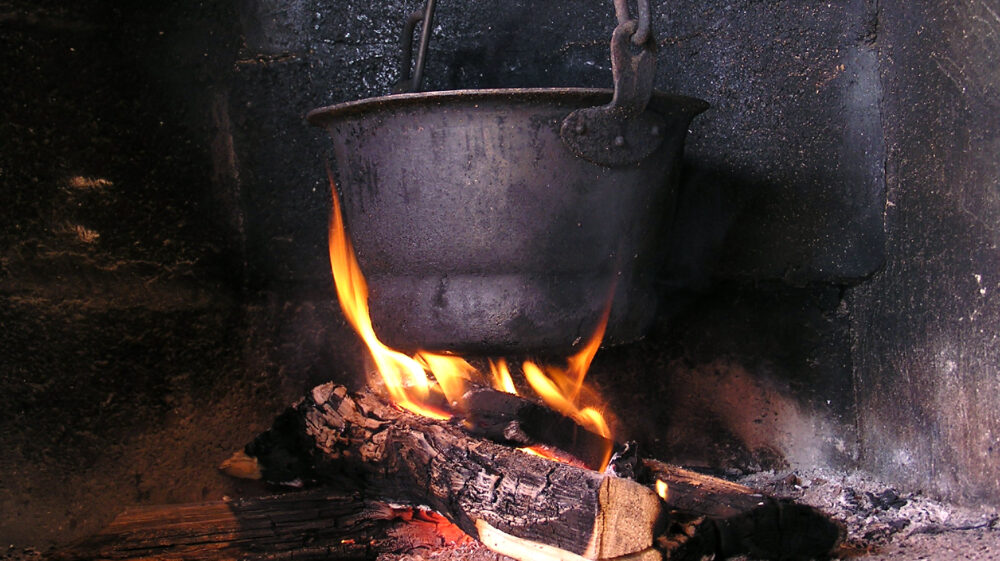
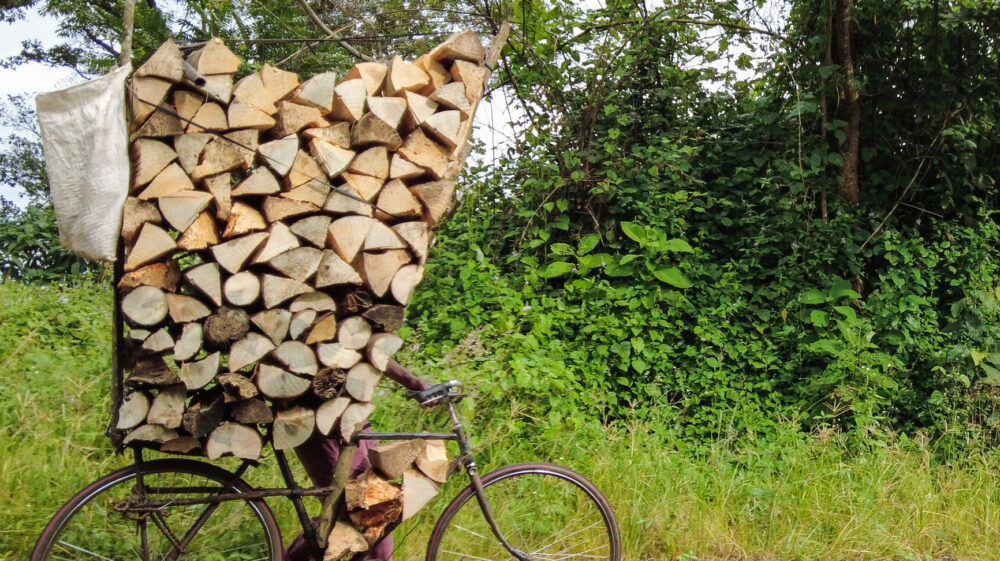
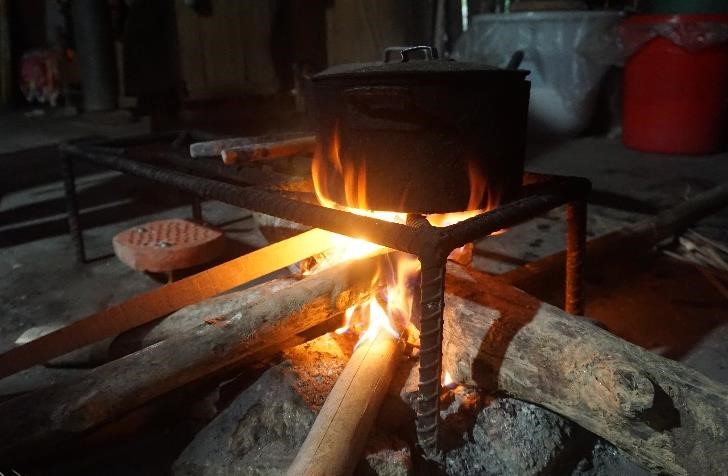
Around 2.4 billion people use biomass fuels - wood, charcoal and animal dung - for their domestic energy needs. These are typically burned in inefficient stoves or on open fires, with serious consequences for health and the environment. SEI identifies and designs actions to help households transition to cleaner technologies and energy sources.
259 results / 12 of 29 pages
Journal article / This study finds significant bias in the self-reported household clean cooking surveys that are prevalent in developing countries.
Journal article / Researchers analyze case studies and data on the prevalence of cookstove "stacking," in which households often mix stove types, undermining clean cooking goals.
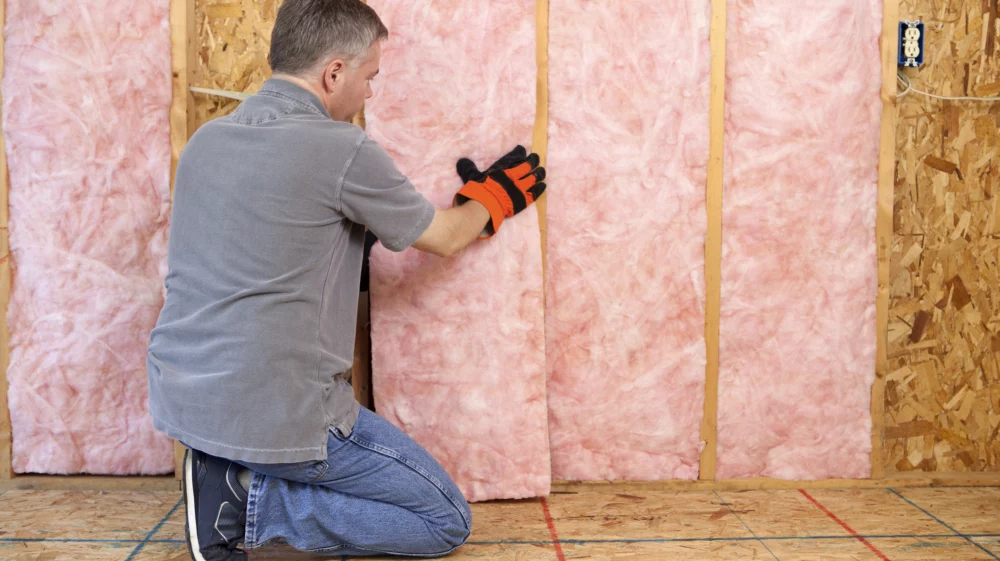
Journal article / The effectiveness systematic review assesses the overall impact of residential energy efficiency, including installations and behaviour interventions.
Feature / SEI researchers offer advice on how to have a more environmentally friendly Christmas this year.
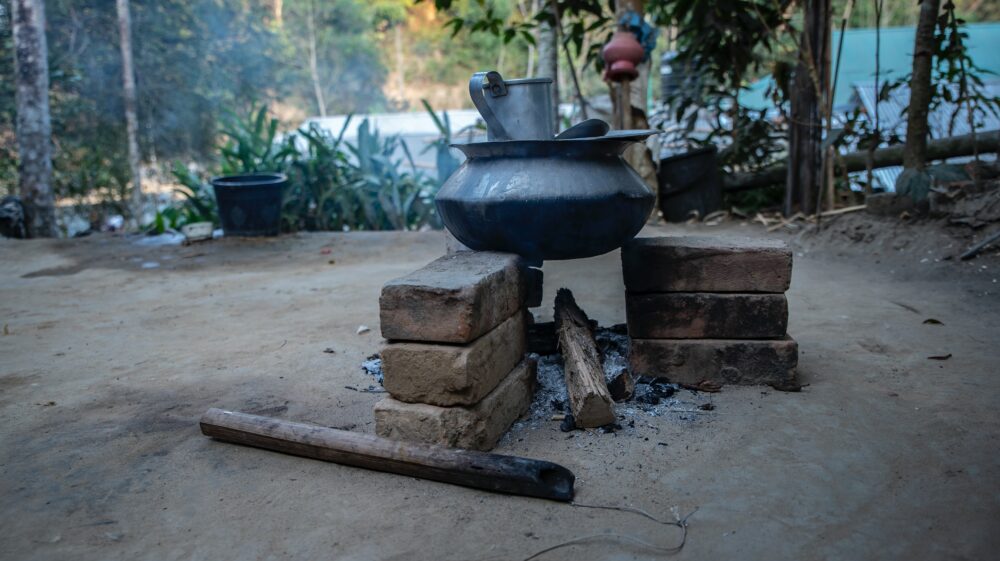
Journal article / This research explores how using grates and rock beds in open fire cooking can reduce harmful emissions and wood consumption in remote, low-income locations.
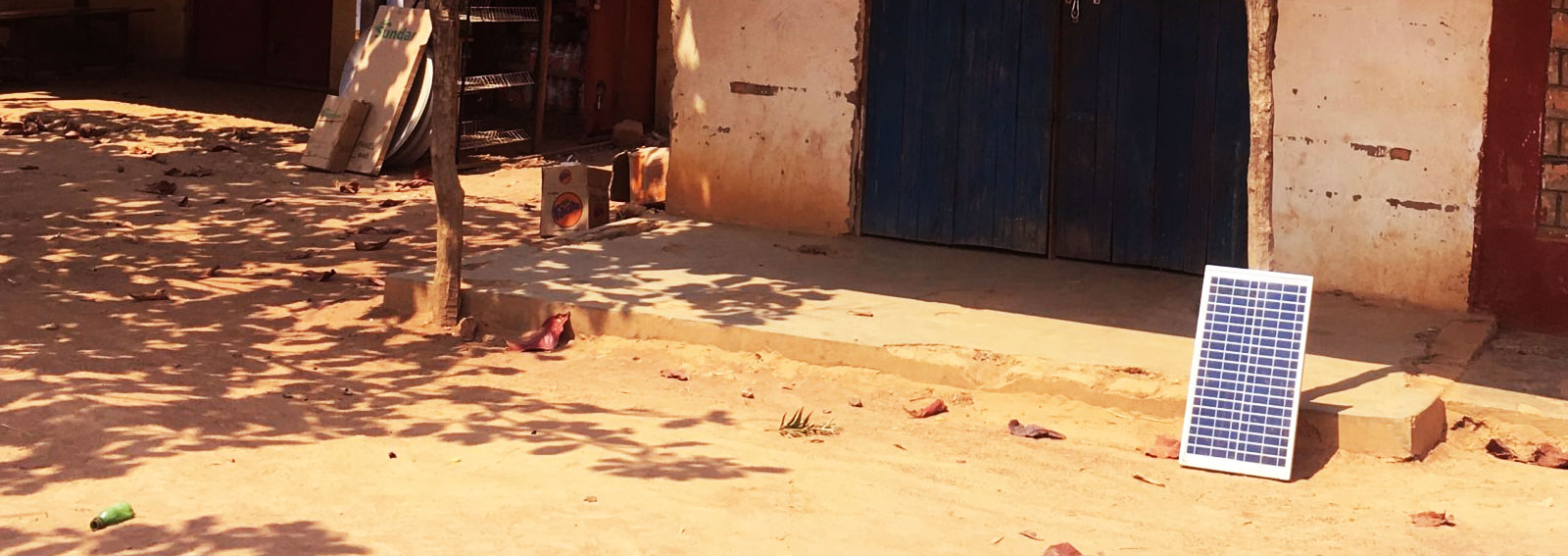
Journal article / This article explores the relationship between poverty and energy access in Malawi and whether unconditional social cash transfers help close the energy gap.
Journal article / The study aimed to measure in-home emissions from a variety of stoves in rural Indian communities.
Journal article / Researchers examined fuelwood use in two rural Indian districts where clean cooking solutions were implemented.
Journal article / Researchers measure the effectiveness of a grass-roots campaign in Western Kenya to increase cooking with rock-beds for open fires and simple woodstoves.