Photo: SEI
Around 2.4 billion people use biomass fuels - wood, charcoal and animal dung - for their domestic energy needs. These are typically burned in inefficient stoves or on open fires, with serious consequences for health and the environment. SEI identifies and designs actions to help households transition to cleaner technologies and energy sources.
259 results / 14 of 29 pages
Project / The focus of this study was on the impact of measures financed by EU Structural Funds on the fulfillment of national energy economy objectives in Estonia.
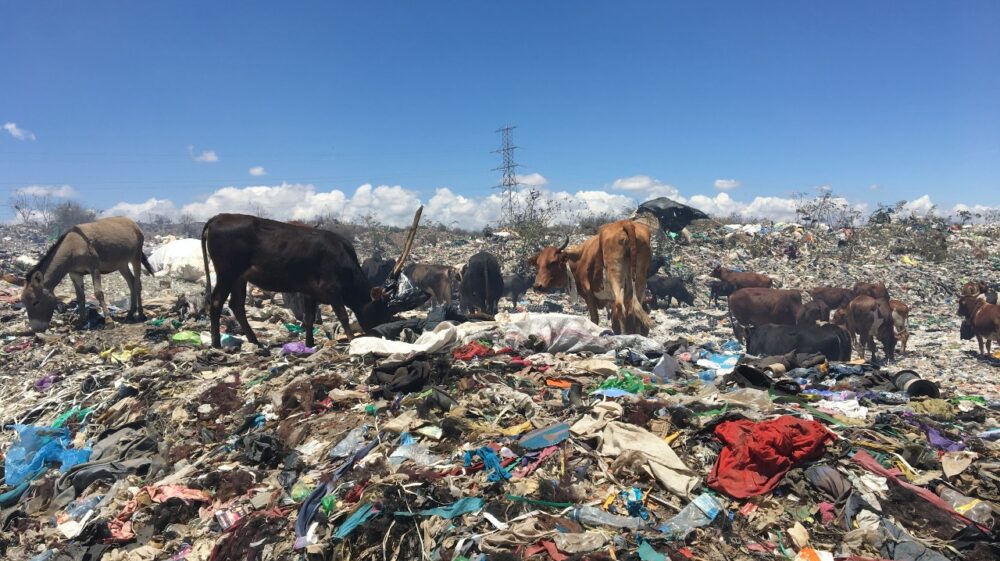
Feature / SEI has taken the first step towards creating scenarios and roadmaps for a circular economy based on organic waste resources in Naivasha.
Feature / Poop is a sustainable alternative source of energy that could help reduce emissions that lead to climate change.
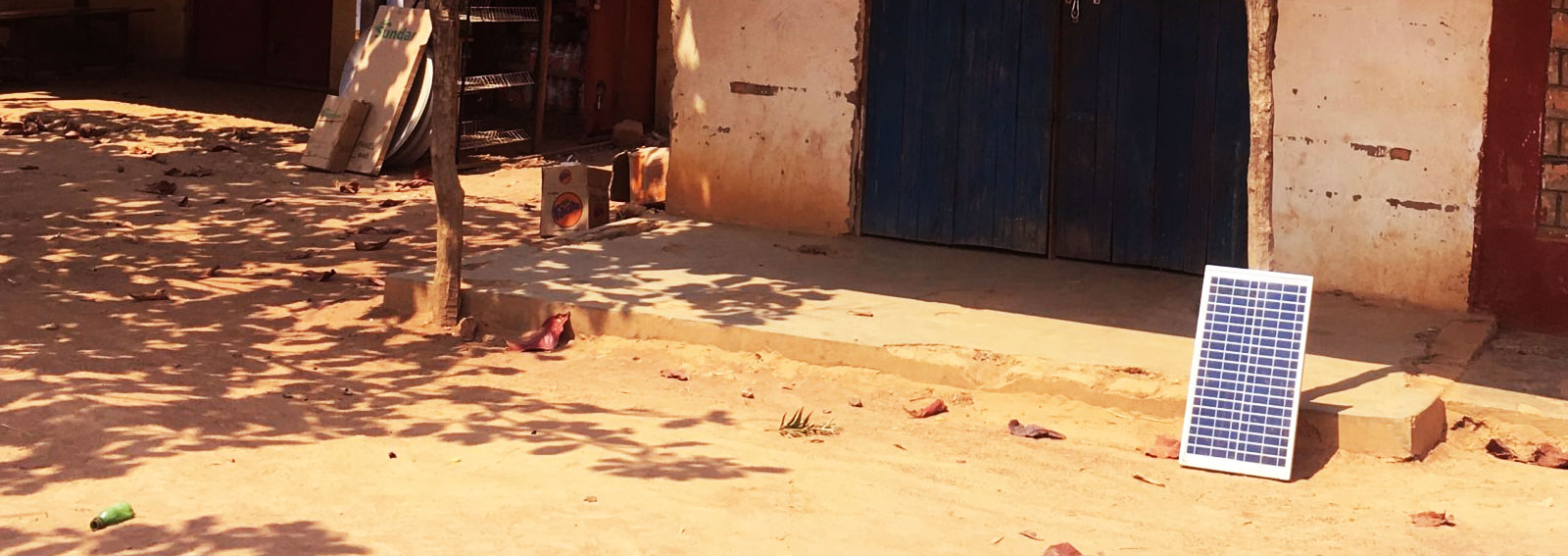
Perspective / There is great potential for synergies to emerge when gridless technologies for energy and WASH are combined in off-grid settings.
Perspective / A look at the development of grid-based technologies in modern society.
Feature / The BiH ESAP 2030+ webinar series convened actors across the EU for eight meetings organized thematically around different areas of environmental protection.
Past event / The BiH ESAP 2030+ webinar series includes eight thematic webinars that will cover eight important EU areas of environmental protection.
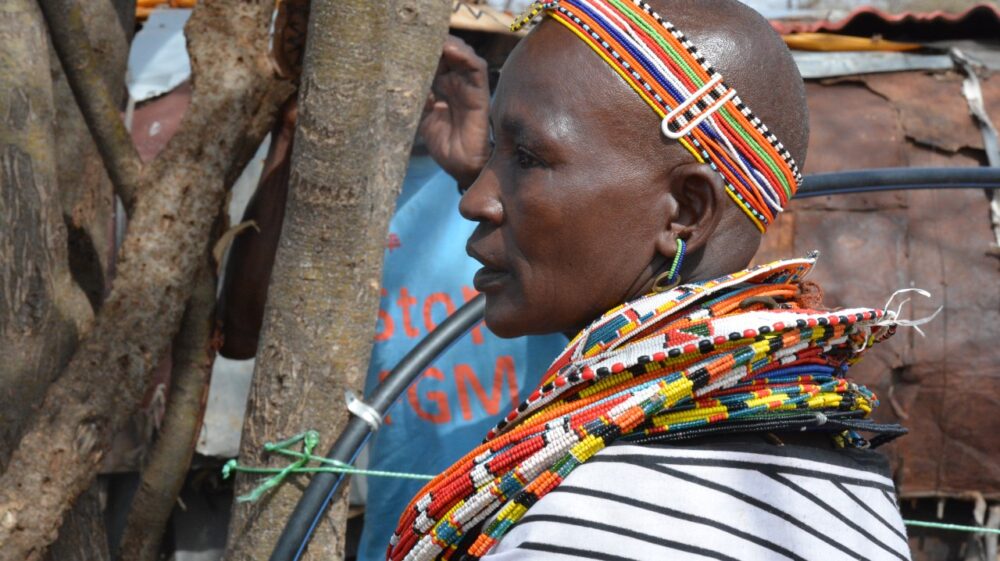
Feature / It is not every day that you encounter a convergence of the traditional and the modern in deep rural Kenya, especially in the nomadic north.
Other publication / This chapter offers some conceptual clarity on international energy law.