This publication is a summary of discussions following up on the 2023 Uppsala Health Summit (UHS) 2023 workshop on “Managing Emerging Health Risks in the Feed and Food Chain”, with recommendations for Swedish and EU stakeholders for better risk communication and aligned policymaking.
The UHS 2023 workshop focused on risk analysis and communication strategies between risk assessors, risk managers and the public, as well as the identification of key themes such as stakeholder involvement, risk perception, ethical dilemmas, and implications for trade. In this context, the follow-up workshop held at SEI in December 2024 discussions were general with scenarios based in Sweden and in relation to other EU member states.
The aim of this follow-up workshop was to further explore the policy implications and practical applications of the insights from the 2023 workshop, not only in the food chain, but in particular in the sewage sludge management sector, an area of growing concern in Sweden and the EU. Participants in this workshop included more than a dozen experts representing different food value chain stakeholder groups within academia, the private sector, civil society and the public sector. The objectives of the workshop were to discuss:
Recommendations include using structured and transparent approaches for balancing conflicting goals and using understanding of facts, feelings and politics to effectively manage and communicate risks, while acknowledging trade-offs in risks and benefits. For the findings in this report, the primary target audiences are risk managers, risk assessors, risk communicators and policymakers within the food and sewage sludge management sectors, for Sweden in particular and the EU in general.
Project / The Swedish International Agricultural Network Initiative – SIANI – is a global network that supports and promotes dialogue and action around food systems.
Other publication / The report examines the health risks in the feed and food chain, with a specific focus on risk analysis and effective communication.
Feature / Municipalities and cities from Bosnia and Herzegovina visited Sweden for a study tour on sustainable agriculture run by BiH SuTra project.
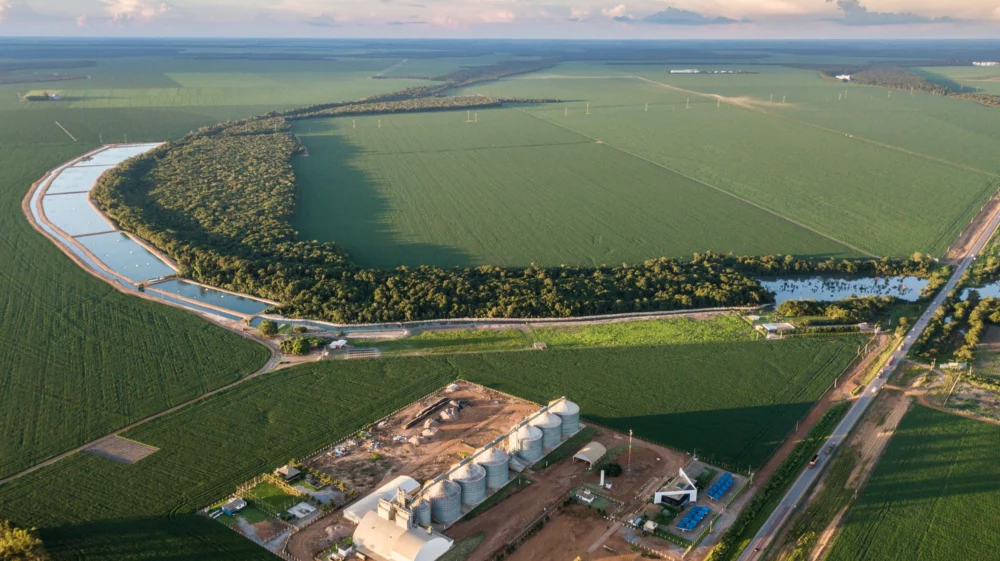
Press release / Powerful new automated image analysis identifies soy facilities with over 90% accuracy – turbocharging transparency around logistical links in supply chains.