Implementing the Sustainable Development Goals (SDGs) at different levels – metropolitan, state or national – can cause climate- and development-friendly policies to boost or hinder each other’s effects.
How can decision-makers anticipate this? SEI researchers developed the “geographic spillovers” feature of the SDG Synergies tool, allowing users to compare how policies in one jurisdiction benefit or detract from policies in another.
Most studies of how SDGs interact with each other have focused on how goals affect each other within a given country or city. However, progress or obstacles in achieving the SDGs in one place can affect implementation in another. To adequately implement the SDGs and the 2030 Agenda, decision-makers must consider how the goals interact across scales, from local to national.
SEI researchers introduce a new feature of the SDG Synergies tool that considers geographic spillovers, or how policies can interact across political boundaries and scales.
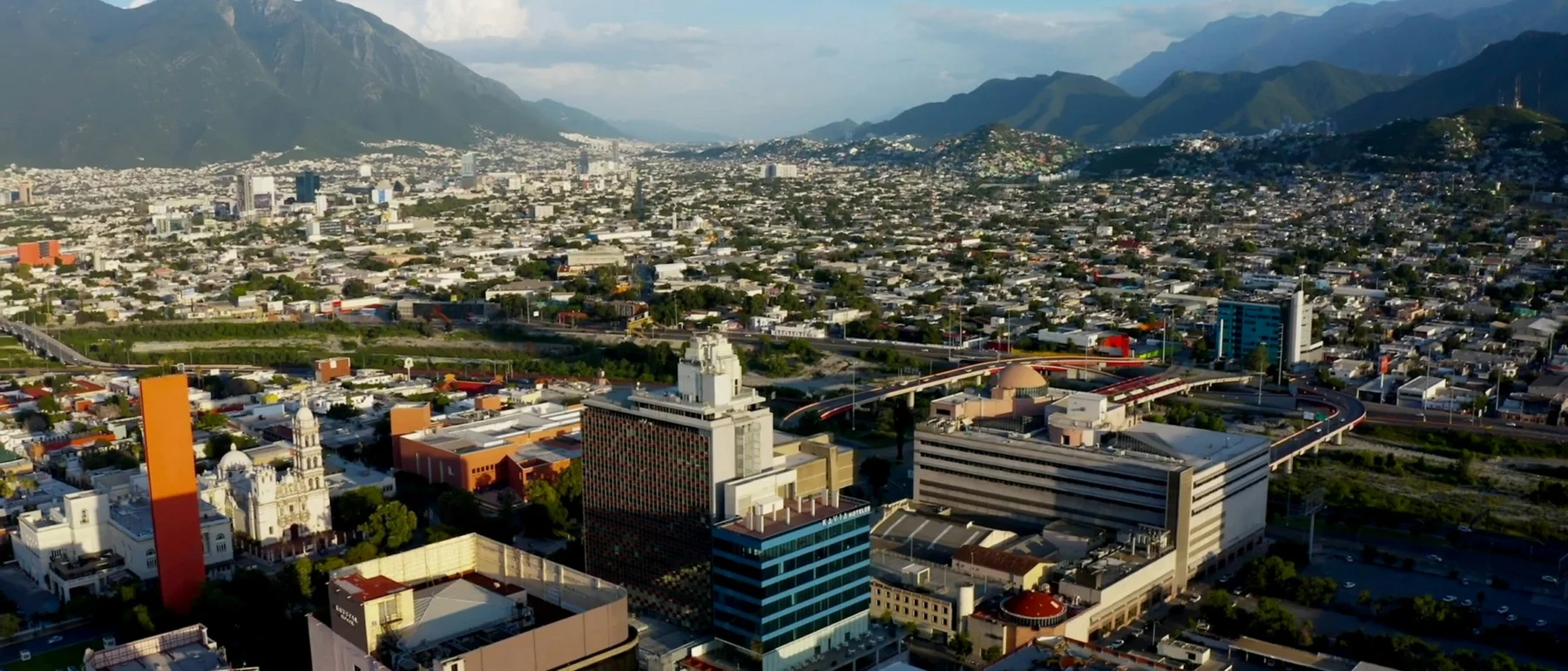
Here, they explain the new feature and demonstrate how it works when comparing climate policies in the city of Monterrey, Mexico, and the larger state in which it is located, Nuevo Leon.
Tool / A practical tool for understanding how groups of policy areas and targets interact, using systems thinking.
Journal article / As SDG implementation lags behind, this article explores five governance areas asking how to strengthen the global goals.
SEI brief / This policy brief details how Colombia's efforts to reduce deforestation can conflict with other environmental policies and goals, such as the 2030 Agenda.
Other publication / This book offers practical introductions to over 100 key concepts shaping the global SDG agenda.