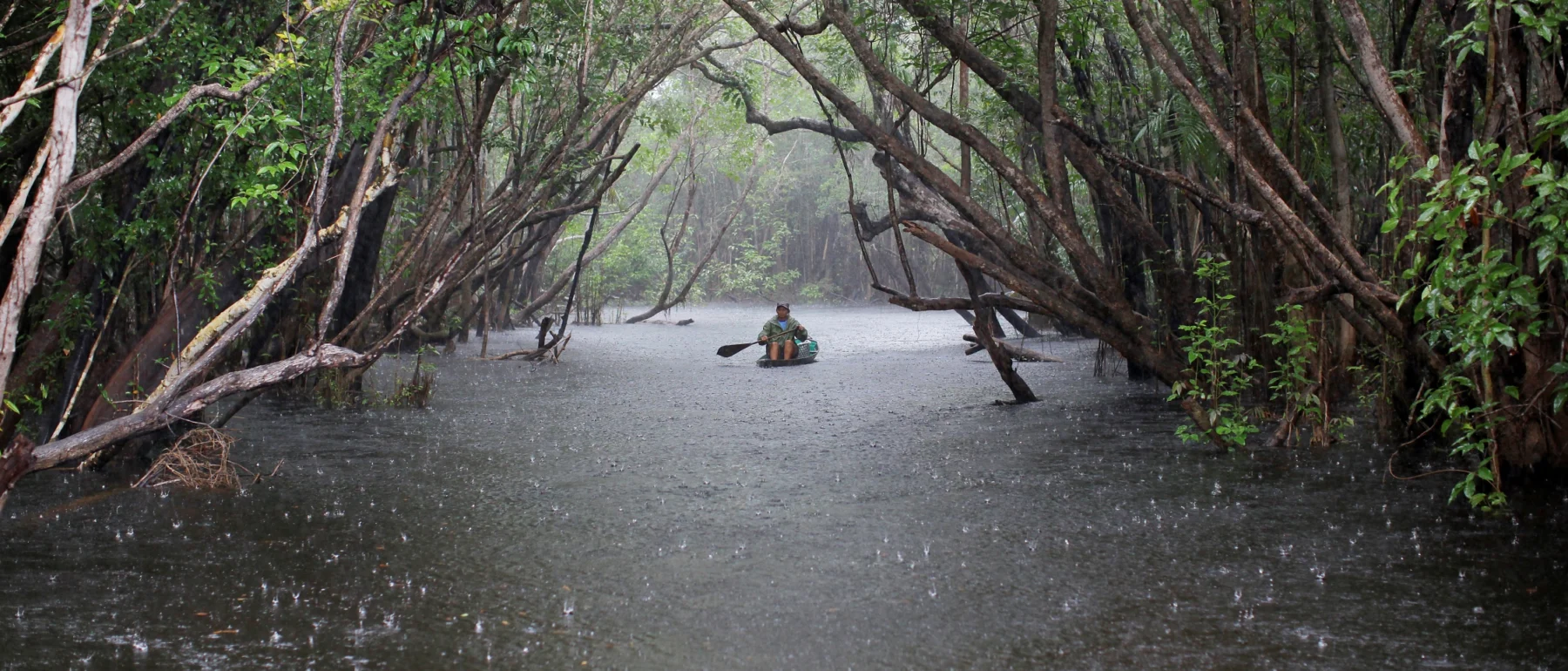
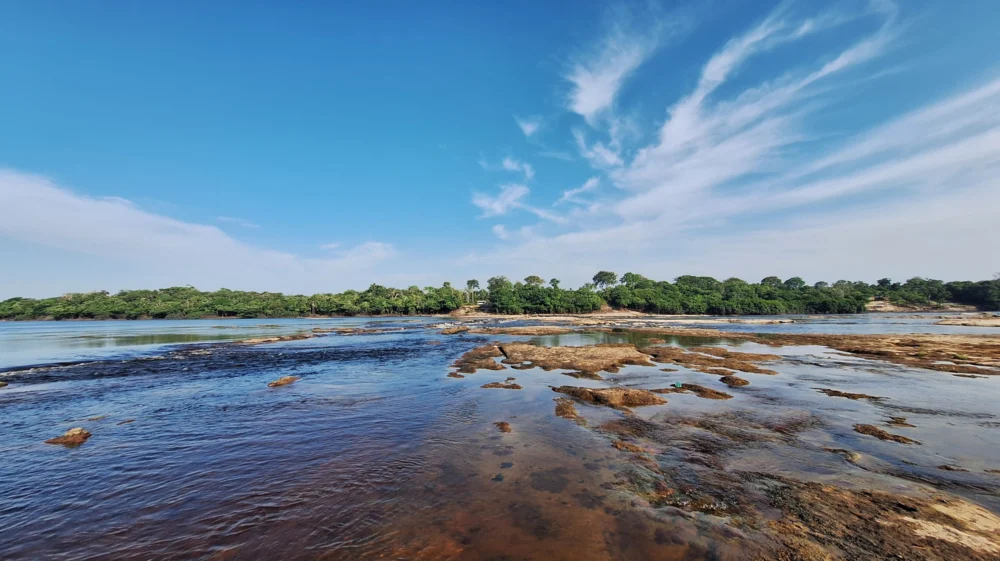
Climate extremes can have profound impacts on ecosystems and communities across Amazonia. This research examines how these conditions are changing across the region, capturing spatial and seasonal variation in temperature, rainfall and water deficit.
Amazonia is highly sensitive to climate extremes, yet there is a lack an Amazon-wide assessment that examines the spatial-temporal changes in these extreme conditions. The research addresses this within seasons and across the hydrological year, using a quantiles approach that integrates the frequency and magnitude of climate extremes and by linking changes in temperature with evapotranspiration.
The authors show that high temperature extremes and temperature-linked measures of water deficit are both changing at a much faster rate than central trends. The 95th percentile of maximum temperatures in the driest period increased by 0.49 °C per decade (dec-1) compared to 0.21°C dec-1 for the central trend of mean temperatures for the year.
Crucially, over 700,000 square kilometres in central-north Amazonia have experienced increases in extreme dry season temperatures ≥ 0.75 °C dec-1 ( ≥ 3.22 °C over 43 years). Adaptation measures for these rapid changes in climate extremes must include preventing the deforestation and disturbances that amplify risks.
Press release / A new study with over 50 scientists, led by Lancaster University, reveals that Amazonia is experiencing rapid growth in extreme temperatures and water stress.
Press release / A new study with over 50 scientists, led by Lancaster University, reveals that Amazonia is experiencing rapid growth in extreme temperatures and water stress.
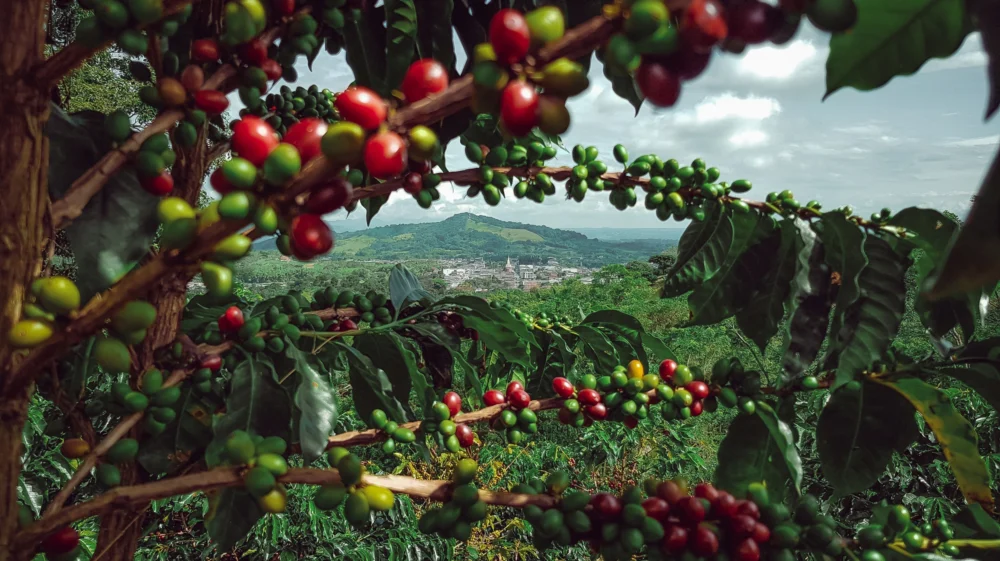
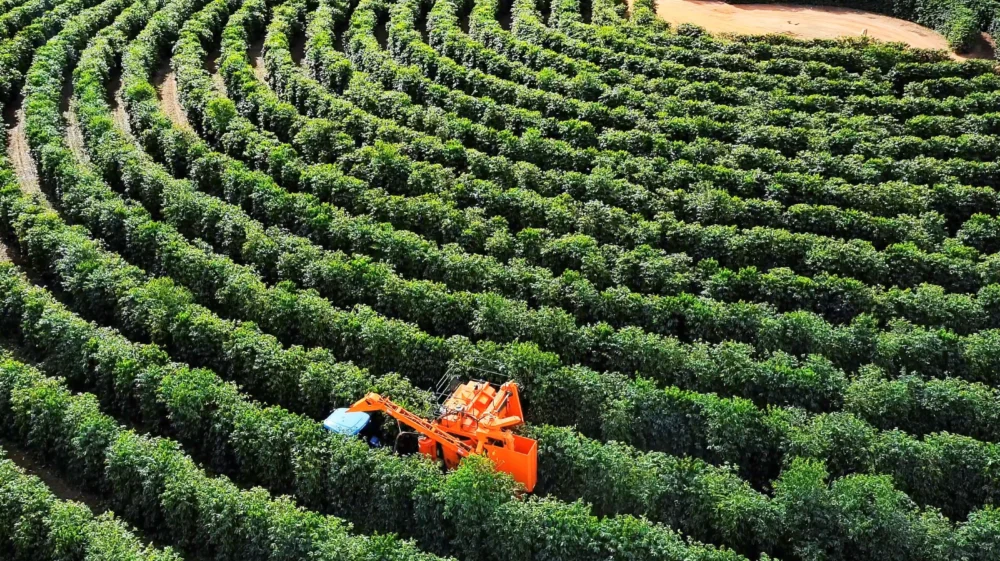
Feature / Trase identifies the leading coffee trading companies and estimate where traders and markets source coffee from within key coffee-producing countries.
Press release / New data from Trase reveals that the majority of the coffee imported globally comes from companies that supply the European market.