Skip navigation
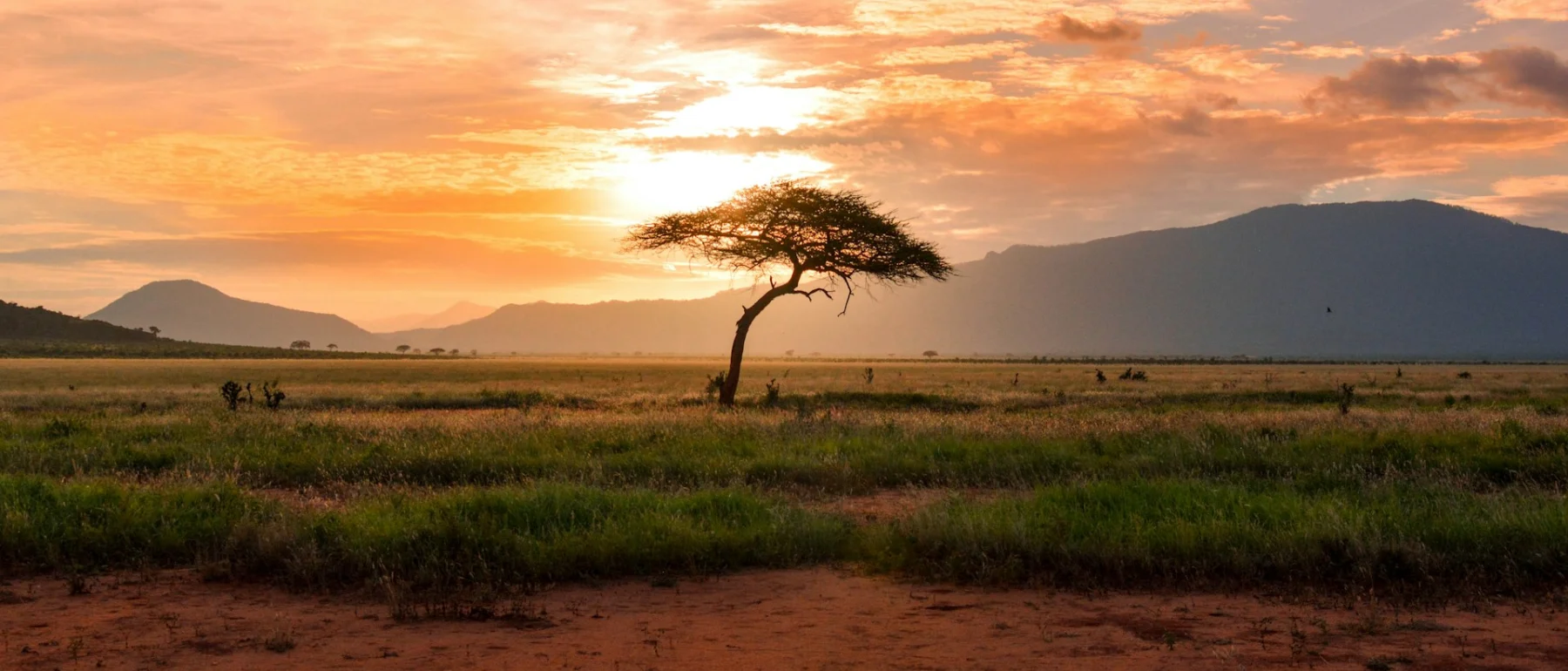
Tree between land during golden hour
Other publication

Annual assessment of Weather and Climate Extremes (AWCE) 2025 in context

Start reading
Other publication

Annual assessment of Weather and Climate Extremes (AWCE) 2025 in context

This report complements existing annual climate assessments using a single framework that focuses on weather and climate extremes in 2025.

Mastawesha Misganaw Engdaw / Published on 3 November 2026

Citation

Schumacher, D. L., Alexander, L. V., Badi, W., Bettolli, M. L., Boisier, J. P., Engdaw, M. M., Min, S.-K., Pinto, I., Sun, Q., Teng, H., Thompson, V., & Trewin, B. (2026). Annual assessment of Weather and Climate Extremes (AWCE): 2025 in context. Publication No: 04/2026. https://www.wcrp-climate.org/WCRP-publications/2026/4_2026_AWCE_ReportOn2025_final.pdf

Weather and climate extremes are central to the climate system. Extreme heat, heavy rainfall and drought affect people, livelihoods, infrastructure and natural systems. For the climate research community, understanding the driving factors of such events and their advancement remains a priority.

This report is the first of its kind developed by the Annual assessment of Weather and Climate Extremes Working Group. The group is part of the World Climate Research Programme (WCRP) Regional Information for Society (RIfS) Global Extremes Platform (GEP).

Key findings:

  • In 2025, new high-temperature records were set across about 3% of the world’s land, significantly less than in 2023 and 2024, which were influenced by El Niño. Of the 44 geographical regions used by the IPCC for climate assessments (AR6 regions), only West-central Asia recorded a new regional high.
  • 2025 ranks ninth by the proportion of global land in which TXx (annual maximum daily maximum temperature) was the highest ever recorded since1980.
  • In almost every AR6 region, most of the land reached the highest 1980–2025 TXx and TNx values in 2021–2025.
  • 2024 remains the year with the most widespread heat records since 1980.
  • Dynamically linked heatwaves occurred across Southern Hemisphere land regions in February 2025, causing record-breaking temperatures in Argentina, Uruguay and Australia. June shattered temperature records across the Eastern US.
  • Attribution analyses indicate that the assessed heatwaves in 2025 would have been virtually impossible (China, Japan, South America) or at least ten times less likely (South Sudan, Fennoscandia) without human-induced climate change.
  • Datasets used to calculate global extreme rainfall are highly uncertain. However, evidence shows an increasing trend in the amount of rainfall recorded on the wettest day of the year across global land areas between 60°S and 60°N since 1991, with 2025 recording the highest Rx1day value in the CPC dataset.

SEI author

Mastawesha Misganaw Engdaw

Research Fellow

SEI Africa