This article in Energy Policy offers insights on how renewable energy developers can work with communities to avoid conflict and improve outcomes.
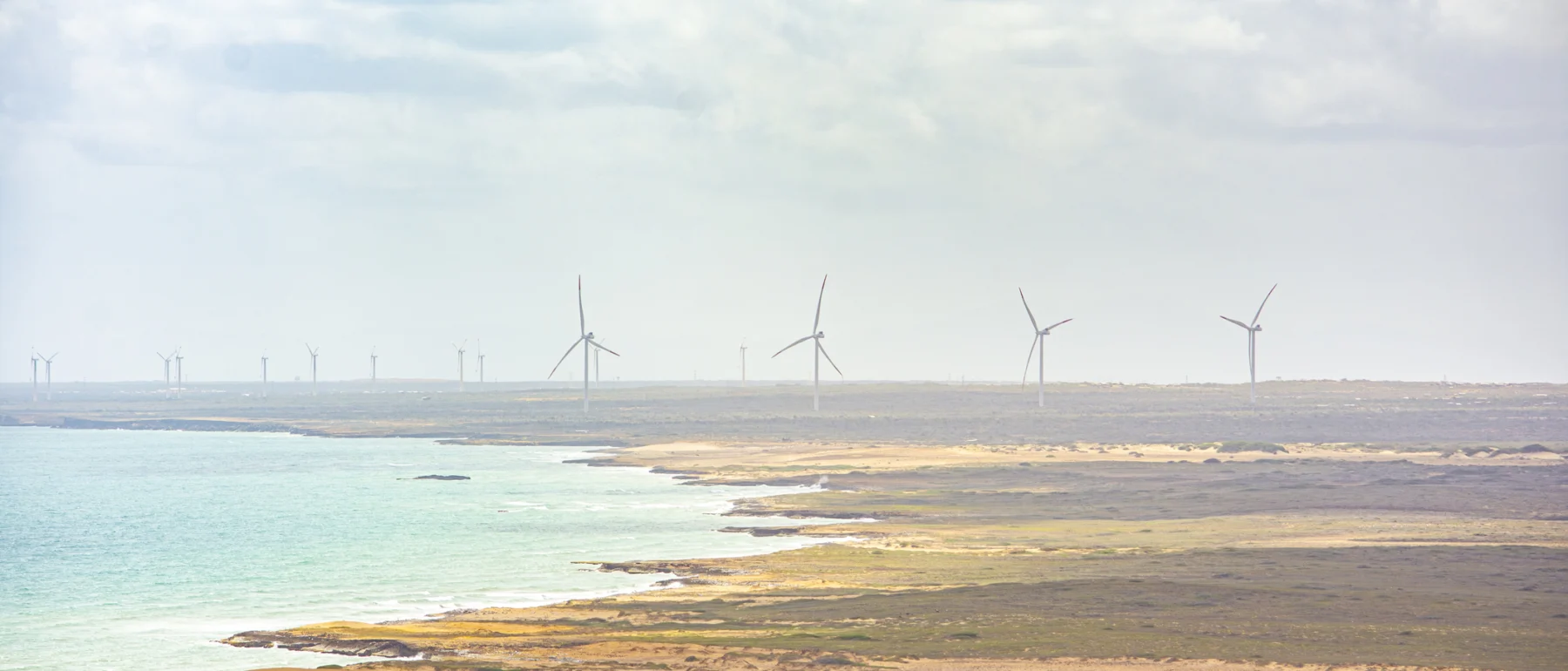
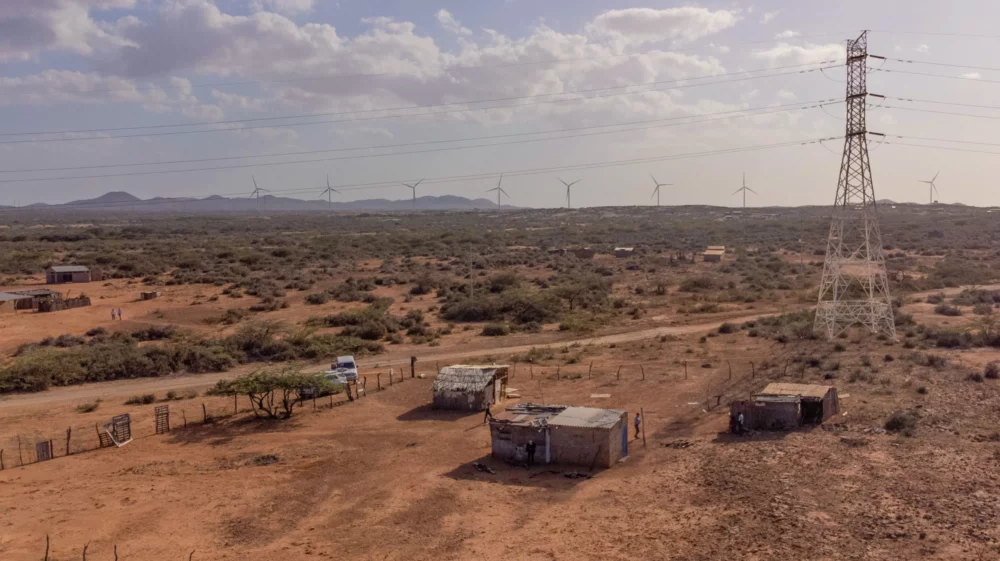
Renewable energy has grown exponentially in recent years, but projects and associated infrastructure increasingly provoke local resistance. Although investment offers economic opportunities, deeper social, cultural, and political dynamics can foment conflict between developers and local communities. This Energy Policy article argues that renewable energy conflict arises from what money alone cannot buy: local context. When companies underestimate a community’s capacity for collective mobilization, projects are more likely to escalate into conflict. Drawing on qualitative evidence from La Guajira, Colombia, this article demonstrates how companies’ experiences re-shape local resistance. Interviews with 30 stakeholders – including project developers, community members and government officials – reveal that early project developers misjudged the potential for community mobilization, while later entrants adjusted their compensation schemes, benefit-sharing arrangements, and community engagement strategies accordingly. These findings underscore the critical role of local context in shaping community responses to renewable energy infrastructure.
Program / This programme aims to build a collaborative platform to accelerate renewable energy deployment in La Guajira.
Project / This project aims to steer renewable energy development in La Guajira towards more equitable and socially beneficial paths.
Tool / Anajia Guajira is a mapping and communication platform to foster a just transition to renewable energy in La Guajira, Colombia.
Feature / SEI researchers explore the experiences and challenges of community advisors, who play a vital role in advancing a just energy transition.
Feature / This story conveys SEI's fieldwork in La Guajira exploring the social acceptance of wind energy among Indigenous Wayuu communities and key challenges.
Journal article / This study focuses on the current renewable energy developments in La Guajira, Colombia, where extractive industries have dominated the economy.