In 2021, Thailand saw roughly 10 600 cases of Dengue infections, and these numbers are rising fast. Experts believe that these numbers will continue to rise due to a combination of increased temperatures, increasing population density in concentrated urban settlements, and the evolving nature of the mosquitoes. Writing in the Bangkok Tribune, SEI Asia’s Uttam Ghimire sets out three simple household measures for reducing dengue risk.
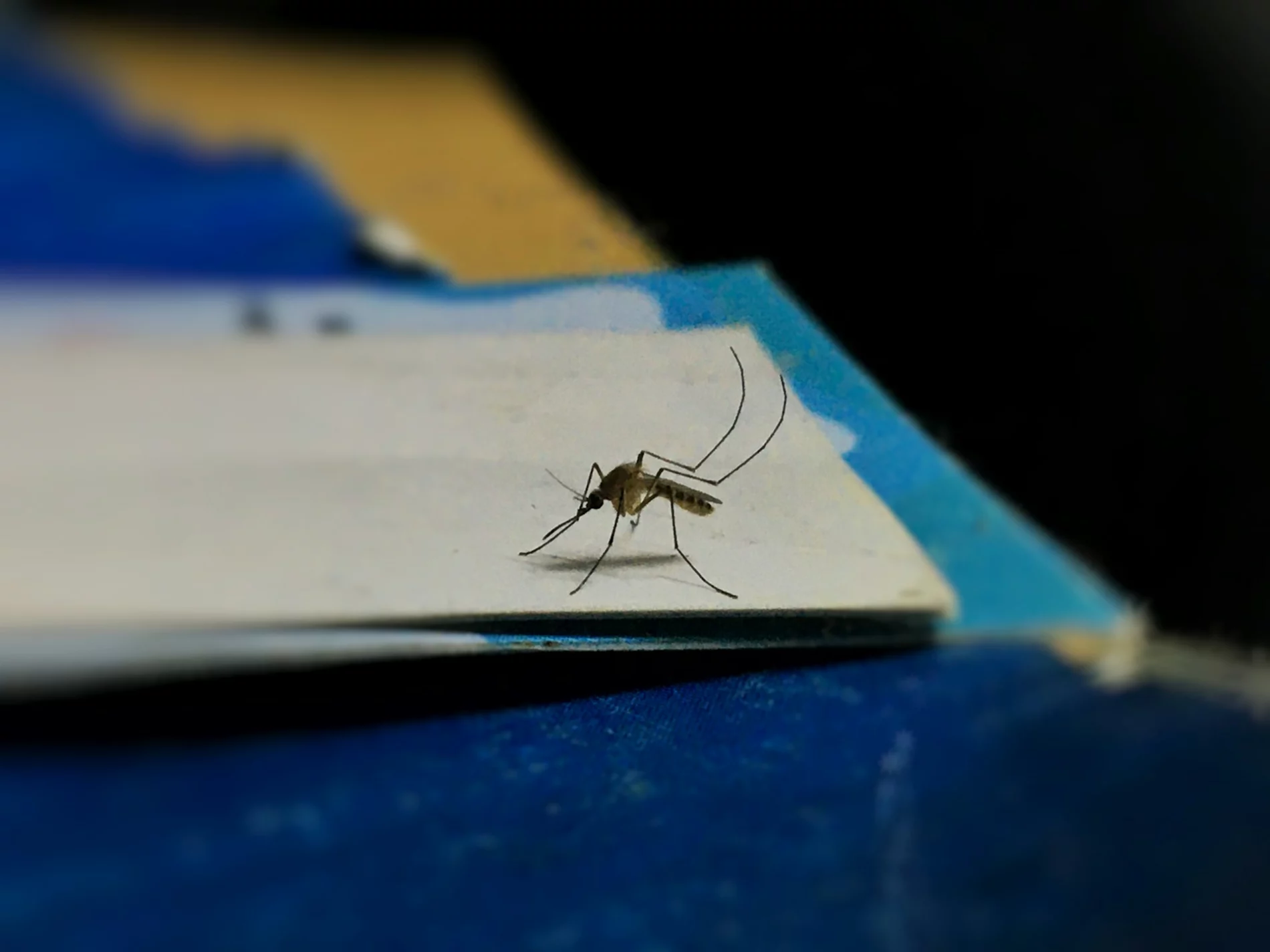
Photo: Mithil Girish / Unsplash.
Dengue is now considered endemic in more than 100 countries, many of which had no previous history of the disease
Dengue – a term you’ve likely heard many times in recent years – is a viral disease transmitted by the female Aedes aegypti mosquito. This mosquito bites a Dengue-infected human, becomes infected, and transmits it to healthy humans for the remainder of its life (typically 3–4 weeks).
In typical cases, Dengue may be asymptomatic or cause mild illness. Still, for patients with a prior history or other chronic diseases, it significantly increases the risk of health complications and, in some cases, death. Unlike flu, where getting the disease improves the human body’s immunity for the next time, the Dengue virus infection provides limited immunity for recurring infections.
With the exacerbation of its drivers and disparities in healthcare and health information access, the incidence of Dengue and associated health complications is thus likely to continue rising. What can we do to contain the increasing cases of Dengue? Given the rising rate of infection, we cannot wait for global climate action to slow down global warming or expect a different population setting. However, we think that with simple 3 Ds of household measures, which we discuss below, the risk and exposure of Dengue can be reduced.
Feature / Key messages from the second Joint Steering Committee (JSC) meeting on water-related collaboration between ONWR and SEI Asia on 20 August 2026
Feature / The European Union recently recognized TRANSCEND, an interactive water planning approach supported by SEI.
Project / Horizon Europe project advancing innovative, participatory approaches to water management and climate adaptation under deep uncertainty.