Climate change is widening the water storage deficit in the Mekong Region, as the reliance on large dams is impacting ecosystems and livelihoods. This piece offers insights, from a recent cross-border meeting in Lao PDR that brought together 70+ stakeholders from Thailand and Laos, towards integrating grey infrastructure (dams), green infrastructure (wetlands), and community governance to build more resilient and equitable water storage systems in the Mekong Region.
Climate change is intensifying floods and droughts. Natural water storage areas such as wetlands and floodplains are being lost to conversion for economic development including urbanization and the expansion of commercial farming and aquaculture.
The water storage deficit in the Mekong Region Basin is widening1. Large-scale hydropower dams have for long been the traditional solution of governments in the region to store water and generate electricity. However, large dams often lead to changes in natural river flows that degrade ecosystems and cause loss of livelihoods that are dependent on river and wetlands ecosystems.
SEI Asia’s project “Solutions and Opportunities in Managing Water Storage (SOS)” aims to provide some pathways forward to integrate grey infrastructure (engineered hydropower dams and irrigation reservoirs), green infrastructure (wetlands and floodplain ecosystems) with the operational “software” (multistakeholder-led governance and community knowledge).
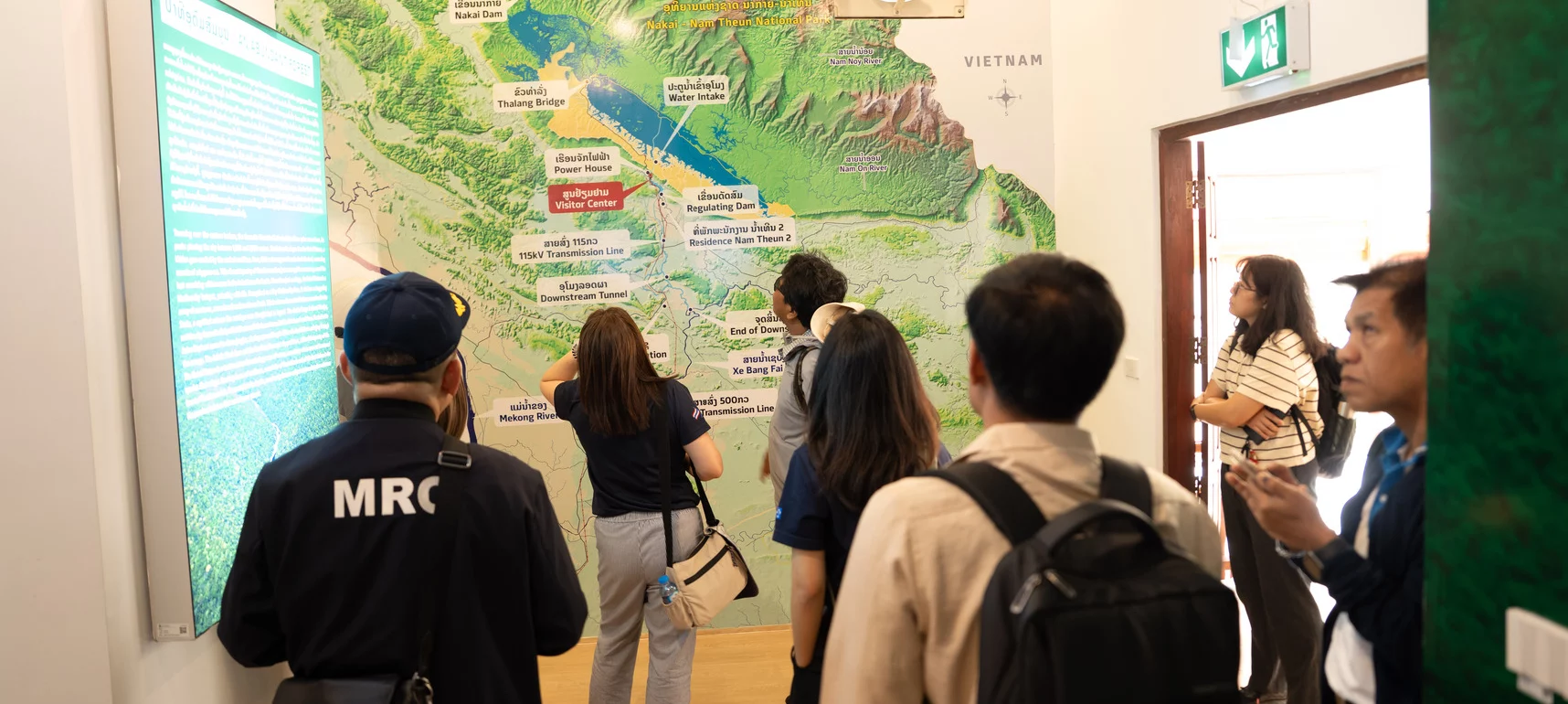
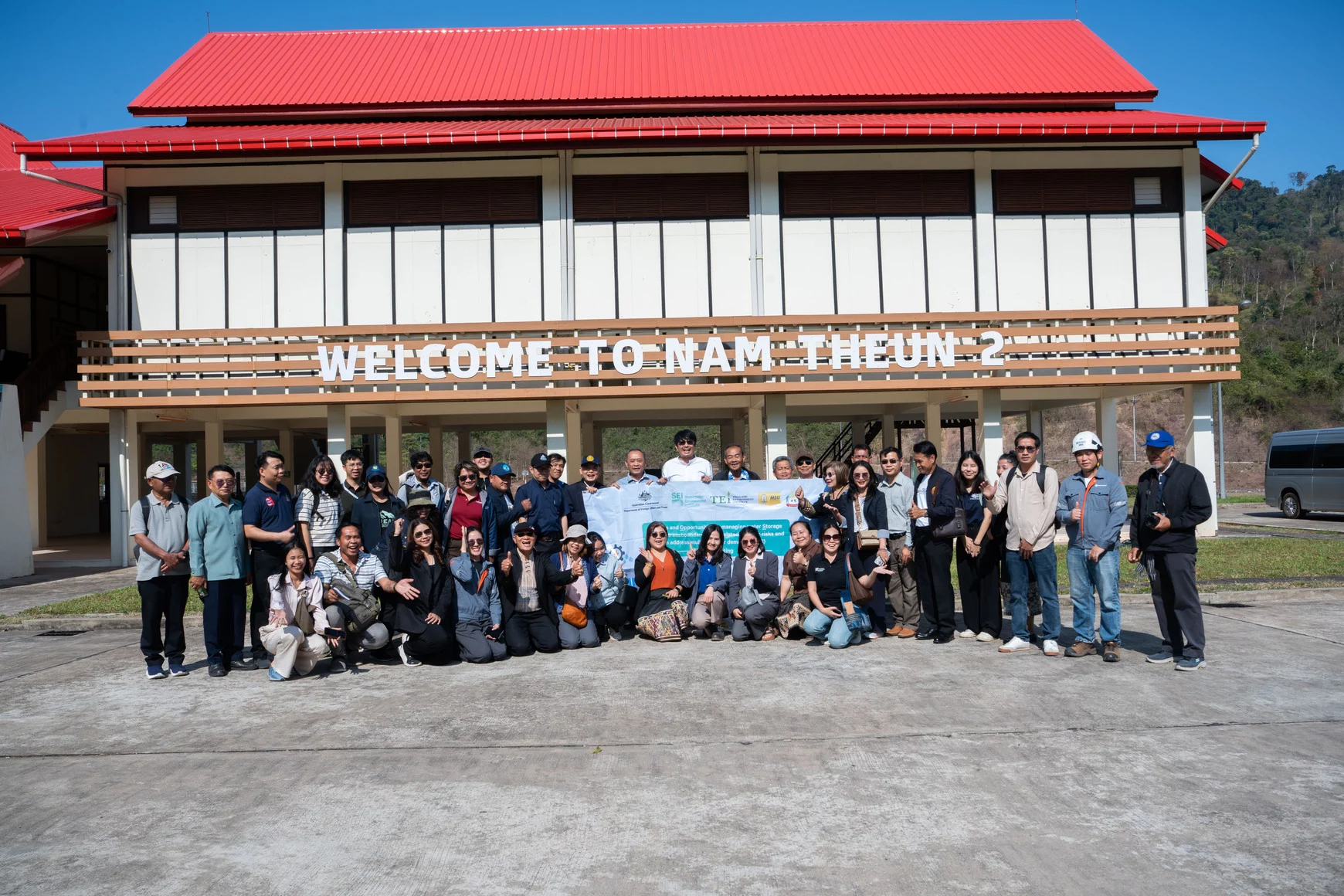
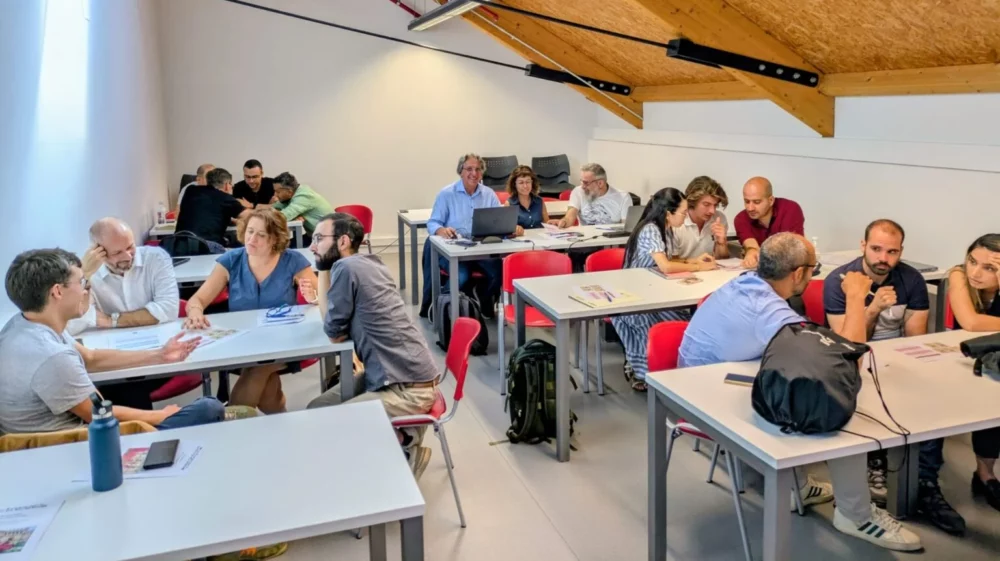
During 19-20 February 2026, SEI and the National University of Laos (NUOL) brought together over 70 stakeholders in Khammouane Province, Lao PDR for a knowledge exchange meeting. Participants included government officials, researchers, engineers, and community representatives from both Thailand and Lao PDR.
The goal was to rethink how existing infrastructure and natural storage can be managed together in an inclusive way that ensures multiple benefits. One point of agreement was that no single solution can fill the Mekong’s water storage gap. There is a need for integrated, collaborative approaches across borders, sectors, and scales.
The following key findings and recommendations emerged from the meeting:
For many years, the hardware of Mekong water policies has been the continued pouring of concrete into large dams, irrigation canals and reservoirs. However, transboundary discussions at the meeting highlighted an important lesson: physical infrastructure alone cannot address climate risks effectively or efficiently, nor minimize adverse impacts, without a focus on strong governance frameworks, inclusion and multiple benefit sharing.
A strong example came from Thailand’s Nam Un Dam in Sakhon Nakhon, where a Joint Management Committee (JMC) brings together government agencies, local leaders and farmers. Water allocation is negotiated collectively rather than through top-down decision-making, especially during floods and droughts. This pathway builds trust, minimizes conflict and allows for quicker management responses.
The access to data in a useable and understandable format is equally important. In Thailand’s Sakhon Nakhon province, community-based data systems allow villagers to track rainfall and interpret risks for themselves. enhancing local preparedness and early action.
In contrast, communities in the Xebangfai Basin in Lao PDR report limited access to information on upstream dam operations, leaving them vulnerable to sudden fluctuations in water levels. The answer is clear: we need better data collection and sharing mechanisms especially in Lao PDR. And we need to build local capacity to understand and engage with this data to enhance climate resilience and close the widening water storage gap.
While large dams can manage macro-level flows and generate electricity, the meeting highlighted the role of natural storage systems in maintaining biodiversity, reducing flood severity and safeguarding local livelihoods.
The concept of Sequential Water Retention in the Thale Bua Daeng (Red Lotus Sea) in Udon Thani, Thailand is a promising approach. Water is stored temporarily in several upstream locations and then released gradually, rather than being held in one single reservoir. This reduces the flood peaks and keeps water available during dry seasons.
Another good example is the Nong Han Wetland in Sakhon Nakhon province, where local authorities and communities have declared part of the wetland as a conservation and spawning zone. This has aided the recovery of dozens of native fish species, improving both biodiversity and local livelihoods.
A key point of discussion was the transition from reservoirs used solely for hydropower toward water storage that supports livelihoods and agriculture viz. shifting from single-purpose use to multi-purpose use. At present, downstream communities bear the ecological impacts of dams while receiving limited economic benefits, which often focus on energy generation.
Stakeholders noted that this can be addressed by adjusting dam operations. For example, minor changes to water release schedules can protect downstream riverbank farming and fisheries without significantly affecting energy production.
Storage systems can be managed to balance water, energy and food needs, and the benefits can be shared fairly between upstream dam operators and downstream communities across the Thai and Lao borders.
Participants at the Knowledge exchange meeting organized in Khammouane Province, Lao PDR.
Photo: Xayalak Vilaida / SEI Asia.
Effective water management must work for everyone, especially the most vulnerable. The Lao Women’s Union during the meeting shared findings from their field research highlighting a major weakness in early warning systems that rely on digital platforms such as messaging app: not all communities have access to smartphones or good internet connections. Local farmers and fishers out in the fields and wetlands may not be carrying their mobile phones all day like urban populations.
This means critical alerts often do not reach local communities who need them, especially the elderly, those with disabilities and low-income households, posing a serious risk when dams suddenly release large volumes of water or during extreme weather events.
The participants emphasized the importance of Gender-Responsive Budgeting (GRB) to close these gaps. GRB means supporting local women’s groups in water management, investing in village loudspeakers, and designing systems that are accessible to all.
The key lesson from the meeting was clear: an early warning system is effective only if it reaches the most vulnerable and marginalized.
While the meeting built shared understanding, participants also focused on practical next steps. One key need that was identified was to improve the cross-border cooperation between Lao PDR and Thailand. The Khammouane provincial authority has agreed to put “Joint Water Governance” on the regular agenda of annual cross-border meetings. This is an important step towards institutionalizing cooperation, improving data sharing and planning for storms and droughts.
Currently, dam operations are often decided without considering downstream effects. Addressing these risks is critical to improve transparency and ensure timely data exchange between countries in the region.
For instance, if a hydropower dam shares and receives real-time information about heavy rainfall in downstream tributaries, operators can delay water releases to prevent two flood peaks from striking the mainstream Mekong River or any tributaries simultaneously.
Better communication between upstream reservoirs and downstream wetlands can unlock powerful “green-grey” synergies: with timely data, a dam operator could intentionally release water to support a wetland area’s fishery during a severe dry spell to support local livelihoods, or temporarily hold back water when the natural storage downstream is already full, to reduce the likelihood of a catastrophic flood.
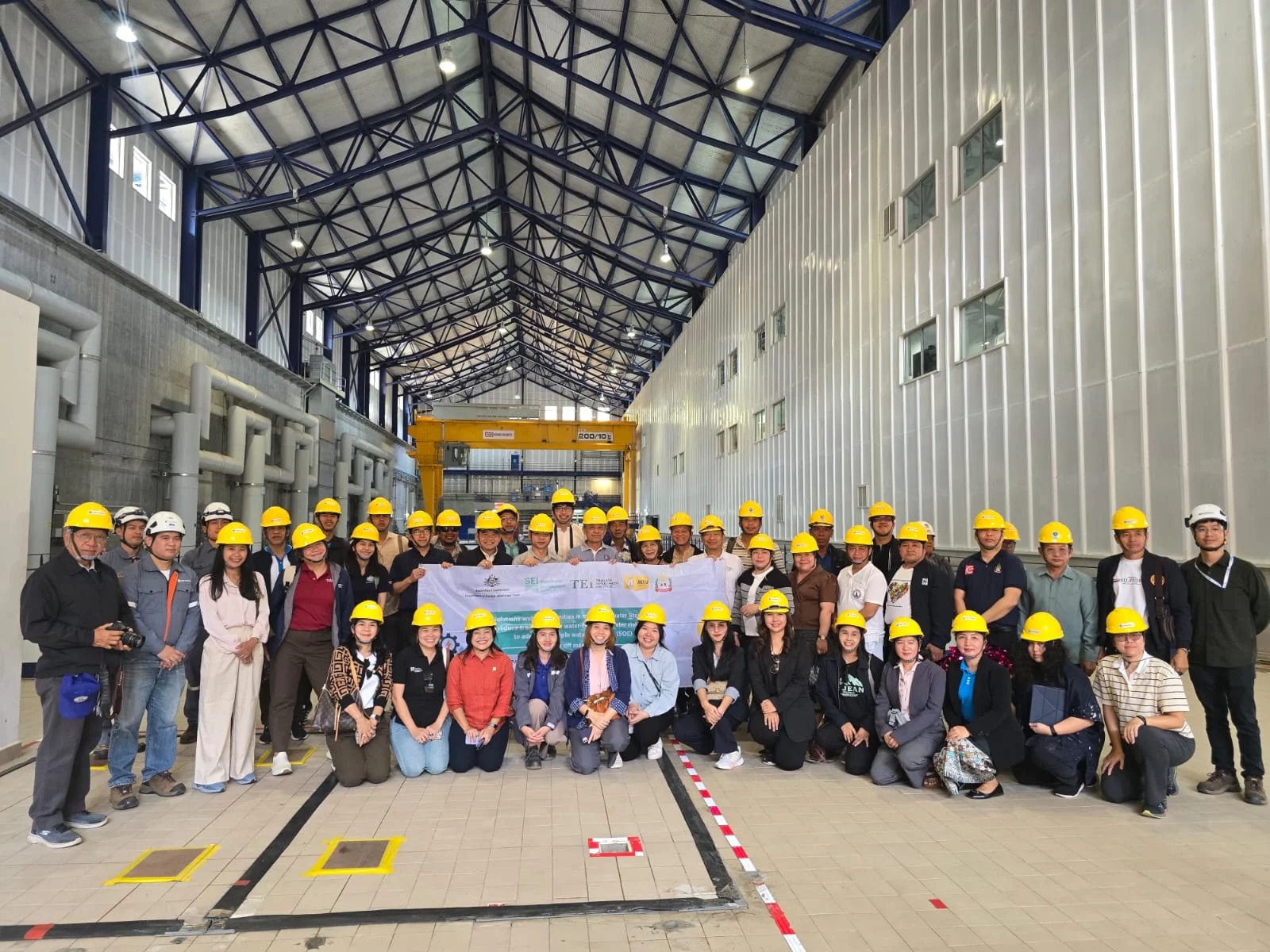
Local communities and policymakers from Thailand and Lao PDR visit Nam Theun 2 powerhouse.
Photo: Anousith Vannaphon / SEI Asia.
The SOS project is funded by Mekong-Australia Partnership (MAP), the Department of Foreign Affairs and Trade (DFAT), Australia, under SEI Asia’s Mekong Thought Leadership and Think Tanks Network (MTT) Program.
Project / This project aims to develop inclusive and sustainable solutions for managing water storage options in the Mekong Region.
Project / This project aims to develop inclusive and sustainable solutions for managing water storage options in the Mekong Region.
Feature / Key messages from the second Joint Steering Committee (JSC) meeting on water-related collaboration between ONWR and SEI Asia on 20 August 2026
Feature / The European Union recently recognized TRANSCEND, an interactive water planning approach supported by SEI.