NWS examines how Southeast Asian cities can turn climate adaptation plans into projects that are ready for financing. SEI’s Architesh Panda and Corrado Topi discuss why urban heat solutions can be difficult to fund and why public finance remains essential.
As Southeast Asian cities face rising heat, Bangkok is exploring how to finance measures that protect residents and urban infrastructure. NWS examines the challenges of turning adaptation plans into funded projects, and the roles public and private finance can play.
SEI Research Fellow Architesh Panda explains that measures such as shaded walkways and parks can reduce heat and improve wellbeing, but often offer no direct financial return. Their benefits can also be difficult to measure and take time to emerge.
Panda describes a “spectrum of bankability”: public-good interventions may need government funding, projects with some revenue potential may suit blended finance, and commercially viable projects may attract private investment. Bangkok’s strategy reflects this range. Public finance is the main source, while private-sector participation is proposed for specific measures such as misting systems at transit stations, elevated walkways and cooling rooms.
Corrado Topi, Team Leader of SEI’s Centre for Finance for Sustainability, identifies limited capacity and expertise as barriers to mobilizing private adaptation finance. Countries need support to turn priorities into finance-ready proposals, assess risks and navigate funding requirements. Proposals can also lack the climate-risk assessments, engineering designs and socio-economic analysis needed to demonstrate benefits and justify investment.
Panda emphasizes that public finance remains essential because adaptation often benefits whole communities, including marginalized groups with fewer financial resources and less access to institutions. Bangkok’s strategy combines public budgets, international climate finance and targeted private investment, while recognizing that many measures generate little revenue.
SEI’s work on climate finance focuses on helping turn adaptation priorities into practical, finance-ready projects. As Bangkok’s example shows, matching each solution with the right mix of public, private and international funding can help cities move from plans to action and build resilience to rising heat.
Past event / SEI and UNFCCC will discuss how youth delegates and negotiators can build their skills and knowledge to join the climate negotiations.
Past event / The COP31 side event examines how to make locally led adaptation investable through stronger business models, suitable finance and more equitable access.
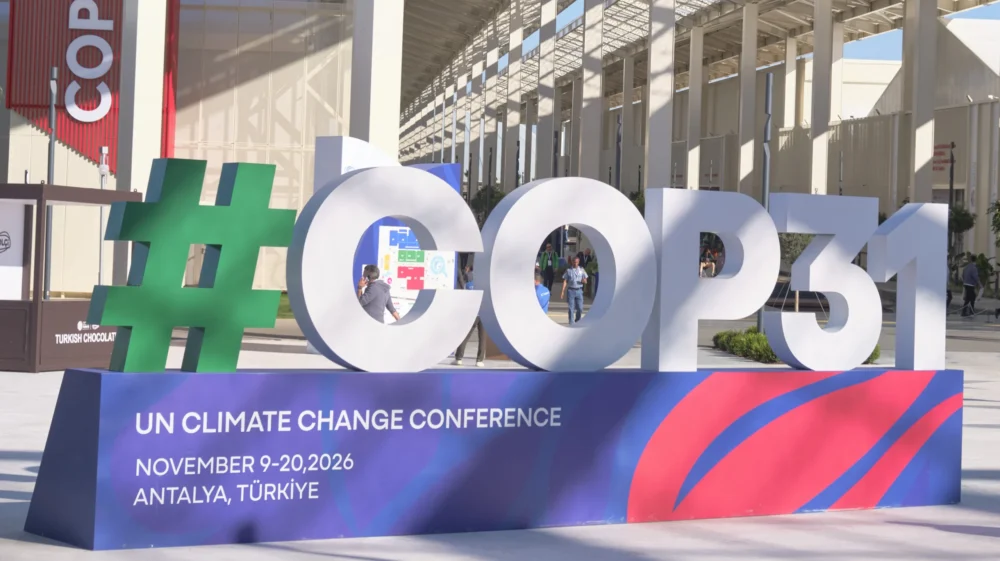
Media advisory / SEI researchers will be on site at the climate COP31 in Antalya, Türkiye, from 9 to 20 November, to offer expert commentary and analysis on central topics.