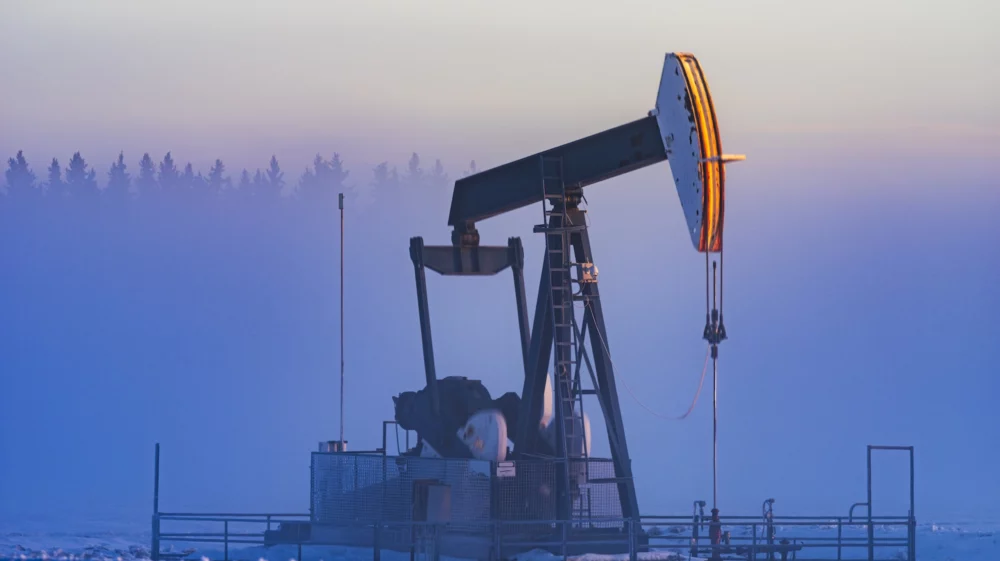
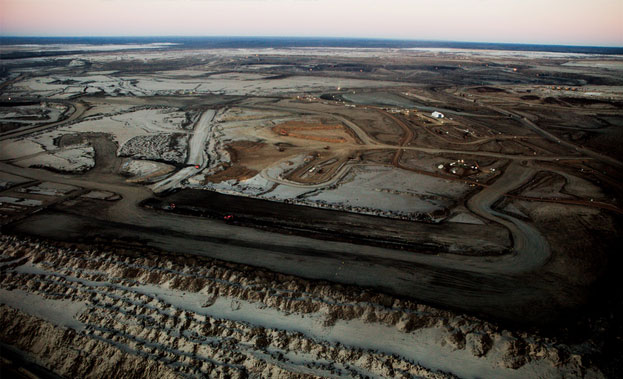
The 2025 Production Gap Report found that most of the world’s top 20 fossil-fuel-producing countries plan to increase coal, oil and gas extraction, despite their commitments under the Paris Agreement.
The report’s co-leads, Emily Ghosh and Derik Broekhoff, highlight in The Conversation how the fossil fuel plans of Nigeria and South Africa – two of the countries profiled in the report – collide with their stated climate pledges.
Collectively, the world’s fossil fuel producers plan to produce more than double the amount of fossil fuels in 2030 than would be compatible with holding global warming to 1.5°C, putting promises of a well-managed energy transition at risk.
This dynamic is exemplified in Nigeria and South Africa, two countries highlighted by SEI experts in The Conversation.
While Nigeria committed to reducing greenhouse gas emissions by 29% by 2030, it also plans to double oil output and increase gas production by 75% during that same period. South Africa’s official fossil fuel production plans are not publicly available, but its state-owned electric utility, Eskom, extended the life of its oldest coal power plants by nearly 10 years, undermining the country’s climate change law that promises to cut greenhouse gas emissions and shut down coal power plants.
Read the new analysis in further detail, along with recommendations for the path forward.
Other publication / Governments, in aggregate, still plan to produce far more fossil fuels than would be consistent with limiting global warming to between 1.5ºC and 2ºC.
Perspective / As we decarbonize our energy system, we must also address the harmful public health and environmental impacts of oil and gas extraction.
Past event / The 2025 Production Gap Report online launch event will take place 22 September 2025.
Perspective / The Marrakech talks may not have tackled the gap between global climate goals and fossil fuel production, but governments can show leadership now.