For 20 years, SEI Asia has been at the forefront of research and policy engagement on sustainable development in the region. Guided by the new SEI Strategy 2025–2029, we are deepening our commitment to tackle the interconnected crises of climate, biodiversity, and pollution.
Based in Bangkok, Thailand, and hosted by Chulalongkorn University, our Centre bridges knowledge and action to enable just and equitable transitions. We focus on complex challenges like air pollution, water governance, and climate resilience, ensuring our research and policy engagement are inclusive by design. A core commitment to gender and social equity ensures we address diverse community needs and dismantle inequalities.
We continue to build strong partnerships, shape policy landscapes, strengthen institutions, and enhance the capacity of our collaborators. Looking ahead, we remain committed to catalysing positive change for the region.
General questions: [email protected]
Address: 10th Floor, Kasem Uttayanin Building, 254 Chulalongkorn University, Henri Dunant Road, Pathumwan, Bangkok, 10330 Thailand
Telephone: +66 (0)2 0730040-44
Fax: +66 (0)2 0730045
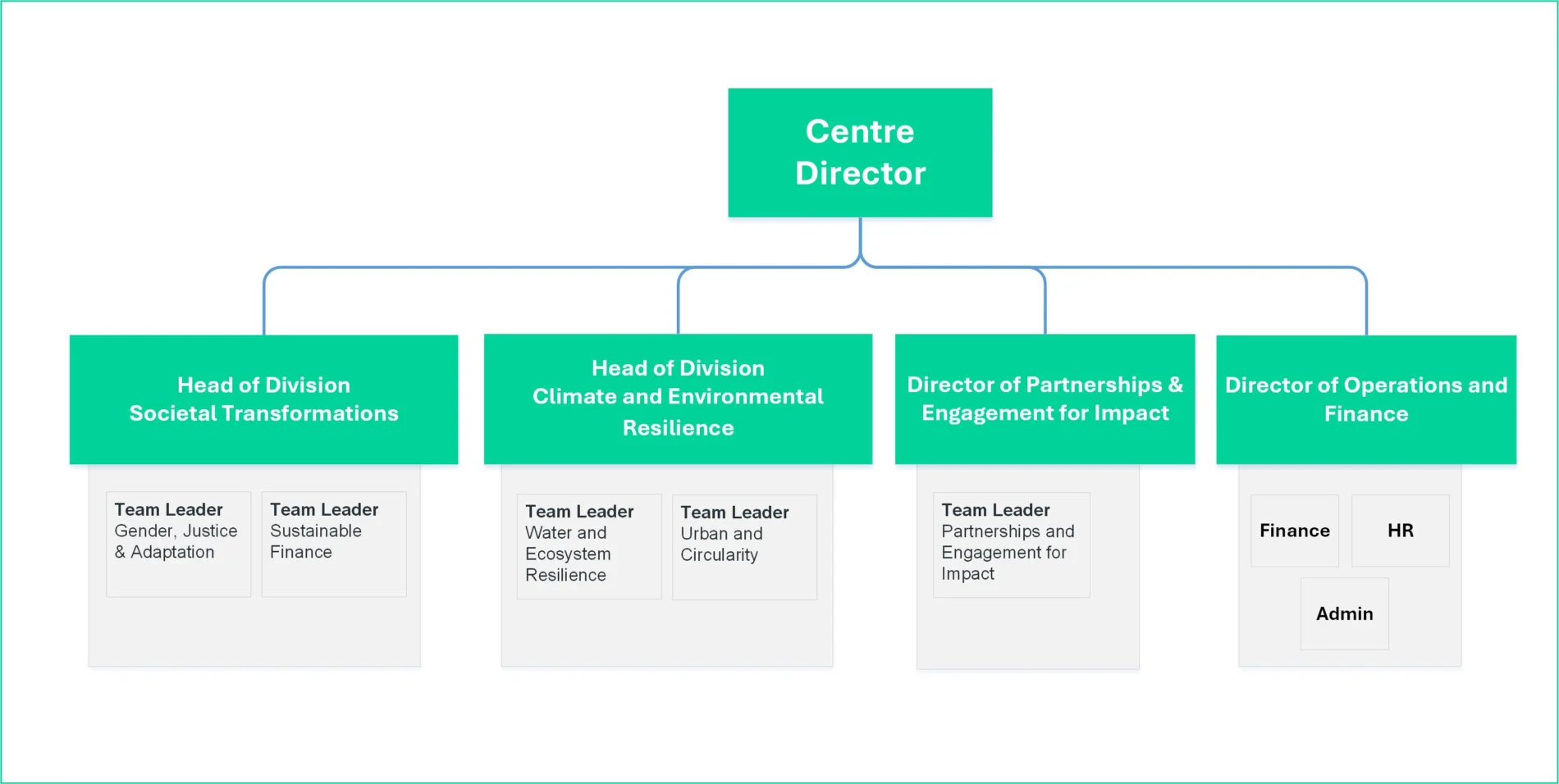
Graphic: SEI Asia.
Complete SEI Asia organizational chart with names and positions available here.
Building on SEI’s Global Strategy 2020-2024, SEI Asia has developed a regionally focused strategy, in line with, and working within, Asian realities and contexts. Our centre focuses on building and strengthening partnerships with government departments, academia, policy-makers, private sector and civil society, to ensure we are all working together, to stimulate discussions and debates on sustainable approaches to development and to catalyse solutions to the most pressing environment and development issues we face.