This virtual side event, led by SEI and GIZ, aimed to assess the performance of existing circular economy strategies in cities, presenting learnings from successfully implemented urban circular economy measures in the three regions, and brainstorming ways to expand partnerships.
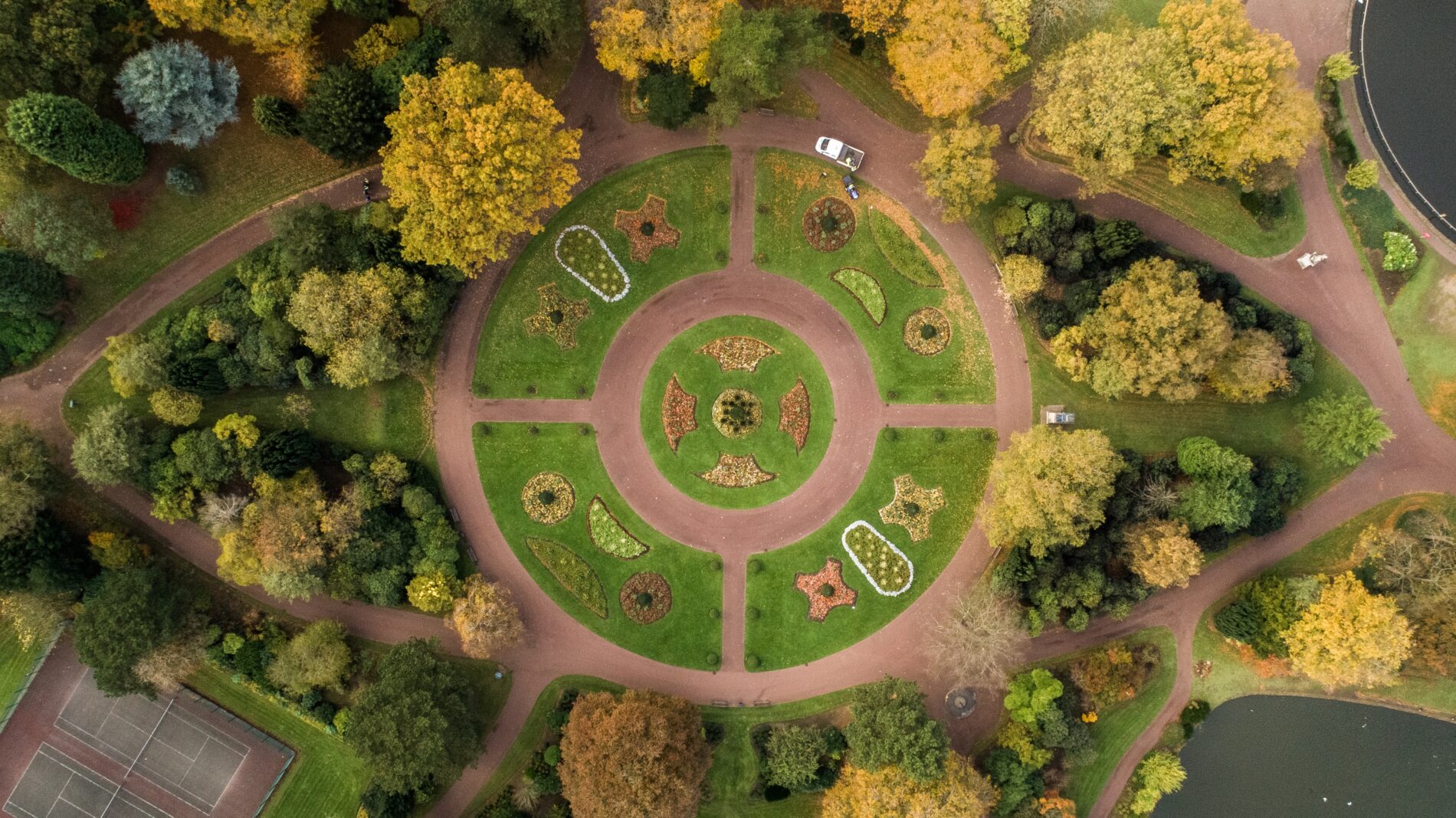
Photo: Josh Power / Unsplash.
The concept of circular economy has gained popularity among political decision-makers worldwide. Building a circular economy requires a radical transformation of production and consumption patterns to address environmental, economic, and social dimensions of sustainability. Cities possess a distinct advantage in moving towards a circular economy as they concentrate resources and can function as labs for circular solutions. In this process, cities in Latin America, Europe and China share many opportunities and challenges.
Latin American capitals are transitioning towards a circular economy. For instance, in Bogota, Colombia, where circularity in the urban context is becoming an increasingly important policy priority. Until recently, the city’s efforts had focused on waste management. However, there is now a shift towards adopting a more comprehensive vision of the circular economy as a new development approach, aiming to conserve nature, reduce greenhouse gas emissions, generate growth, exploit local production capacities, and close social gaps.
China was one of the first nations to introduce comprehensive circular economy strategies in the early 2000s, offering valuable insights and learning opportunities. In China, cities are regarded as the main drivers for innovative circular economy development and transition modes. They are involved in pilot activities, demonstration sites, eco-industrial parks, and specific programs to test, promote, and disseminate circular economy approaches and models.
In 2020, the EU adopted the new Circular Economy Action Plan (CEAP) to achieve a circular economy by 2050. Cities in Europe have developed significant success stories, both downstream and upstream, in reducing pressure on natural resources and creating sustainable growth and jobs. The objective is not only to achieve 100% recycling rates but also to change production modes and optimise materials’ flows.
This virtual side event aimed to assess the performance of existing circular economy strategies in cities, present learnings from successfully implemented urban circular economy measures in the three regions, and brainstorm ways to expand partnerships.
More specifically, participants engaged in conversation on:
Photo: Josh Power / Unsplash.
8:00-8:05 am – Opening Remarks
8:05-8:05 am – Transitioning to circular cities: where to focus and why? Findings from research. Ms. Fedra Vanhuyse, SEI, Head of Division – Societies, Climate, and Policy Support
8:15- 8:45 am – Case Studies by Cities Representatives
Case Study from Latin America
Ms. Carolina Urrutia Vásquez, City of Bogotá, Colombia, District Secretary for the Environment in the Mayor’s Office
Case Study from China
Mr. KANG Lei, Vice President of Tianjin Research Academy of Ecological and Environmental Sciences
8:45-9:25 am– Interactive Discussion with city representatives by Mr. ZHU Shu, ICLEI, Regional Director & China Representative
9:25-9:30 am- Closing Remarks by Ms. Katja Suhr, Deutsche Gesellschaft für Internationale Zusammenarbeit (GIZ) GmbH, Head of the Circular Economy team
SEI Affiliated Researcher
Project / This project provides cities with an adjustable framework to assess their level and potential for circularity.
Past event / Join this conversation about governing land, materials, pollution, and biomass use for a climate-compatible bioeconomy and sustainable development.
Other publication / The G20 and its member states have a unique opportunity to collaborate with international financial institutions in the roll out of low-carbon steel production.
Past event / Policy-makers, business representatives and researchers gathered to connect the dots between sustainable lifestyles and a circular economy.