At a seminar on the post-2015 development agenda hosted by Stockholm Environment Institute and Stockholm Resilience Centre on 19 November 2012, two leading lights of Colombian politics and research discussed why a new set of develop goals is needed, how Colombia is developing the SDG concept at a national level and the role of biodiversity and ecosystem services in SDGs.
In order to measure progress and create policies that adapt to change, Torres also stressed the need for new metrics to measure and plan development. Torres went on to describe the innovative work that the Colombian government is carrying out to develop national goals for sustainable development.
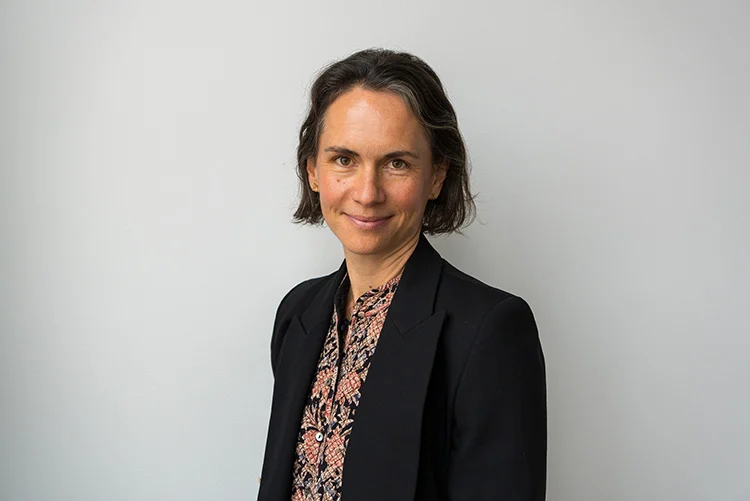
Brigitte Baptiste, Executive Director of the Humboldt Institute, Colombia, talked about the role of biodiversity and ecosystem services in the SDGs. She described how rich biodiversity provides resilience in face of disasters – in Colombia, abundant fish stocks provided livelihoods and food after catastrophic floods destroyed crops.
In the panel discussion that followed, SEI’s Research Director Måns Nilsson said: “There are a few trends that make the transition from Millennium Development Goals to Sustainable Development Goals essential: the shift to a political agenda dominated by growth and jobs instead of poverty alleviation; the sustainable energy revolution; and the insight that the resilience of human communities to disasters is largely based on healthy ecosystems.”
See more photos from the event on Flickr»
SEI is actively engaging in the SDG process. The Institute is providing knowledge for SDGs through the Independent Research Forum, a collaboration of research institutes from across the globe, bringing together diverse analytical skills, cultural perspectives and networks to provide credible analysis and inform decision makers. The Forum is an independent source of critical thinking, integrated analysis and awareness-raising on SDGs and elements of a post-2015 development agenda.
Meet SEI / A year after moving to Bangkok, SEI Asia Centre Director Marie Jürisoo reflects on leading across cultures and where the centre goes next.
SEI report / This report examines evidence of the outcomes of locally led adaptation, barriers that limit financial support, and measures that can bridge the funding gap.
Journal article / By observing participatory policymaking activities, researchers found that frames and emotions are mutually co-constitutive.