Community trust is vital to a successful transition to renewable energy in La Guajira, Colombia.
SEI’s efforts to improve information transparency and dialogue between Indigenous communities and energy developers pave the way to a more successful and resilient energy transition.
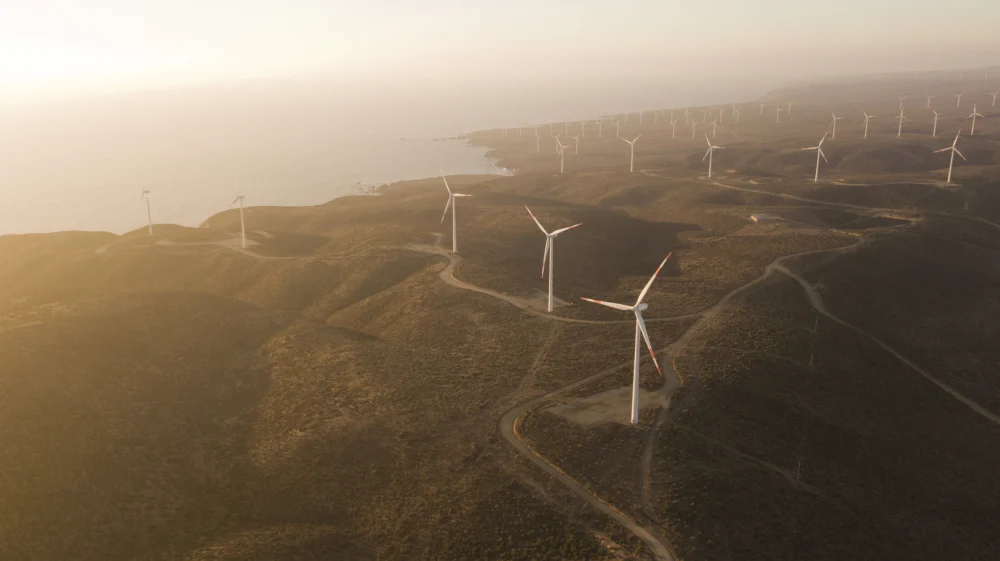
The wind energy potential in Colombia’s northernmost region of La Guajira is key to the country’s transition toward renewable energy. More than 40 proposed wind power projects are reshaping the territory, which includes the ancestral lands of the Wayuu Indigenous people and fragile desert ecosystems.
Lack of transparency and adequate prior consultation with communities have spurred protests and project delays, and even the cancellation of renewable energy projects.
SEI, alongside the University of La Guajira, Tufts University and Colombia’s Mining and Energy Planning Unit (UPME), has advanced multiple programs to improve transparency and empower Indigenous communities to advocate for their interests. These efforts aim to improve social acceptance of wind energy in the region and ensure benefits for the communities affected.
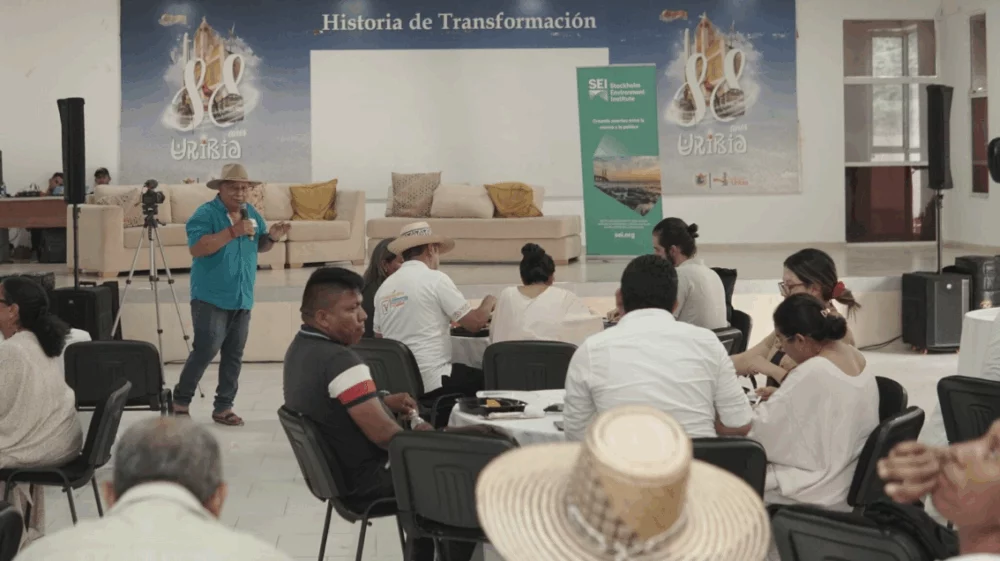
SEI and the University of La Guajira trained residents to engage in prior consultation processes for wind energy projects planned in their region.
The program, Intercultural dialogue, wind energy, and community participation, was co-designed as a comprehensive training and peer-to-peer exchange platform allowing participants to promote a more just and culturally legitimate energy transition.
The program, conducted in 2025, consisted of 150 hours of training in technical aspects of wind project development; legal foundations; free, prior and informed consent; land-use principles; gender and interculturality approaches; and models of shared benefits. The training included case studies, self-management exercises, and local and international field visits, including one in Brazil allowing participants to compare experiences and learn from Indigenous people in Brazil undergoing similar processes.
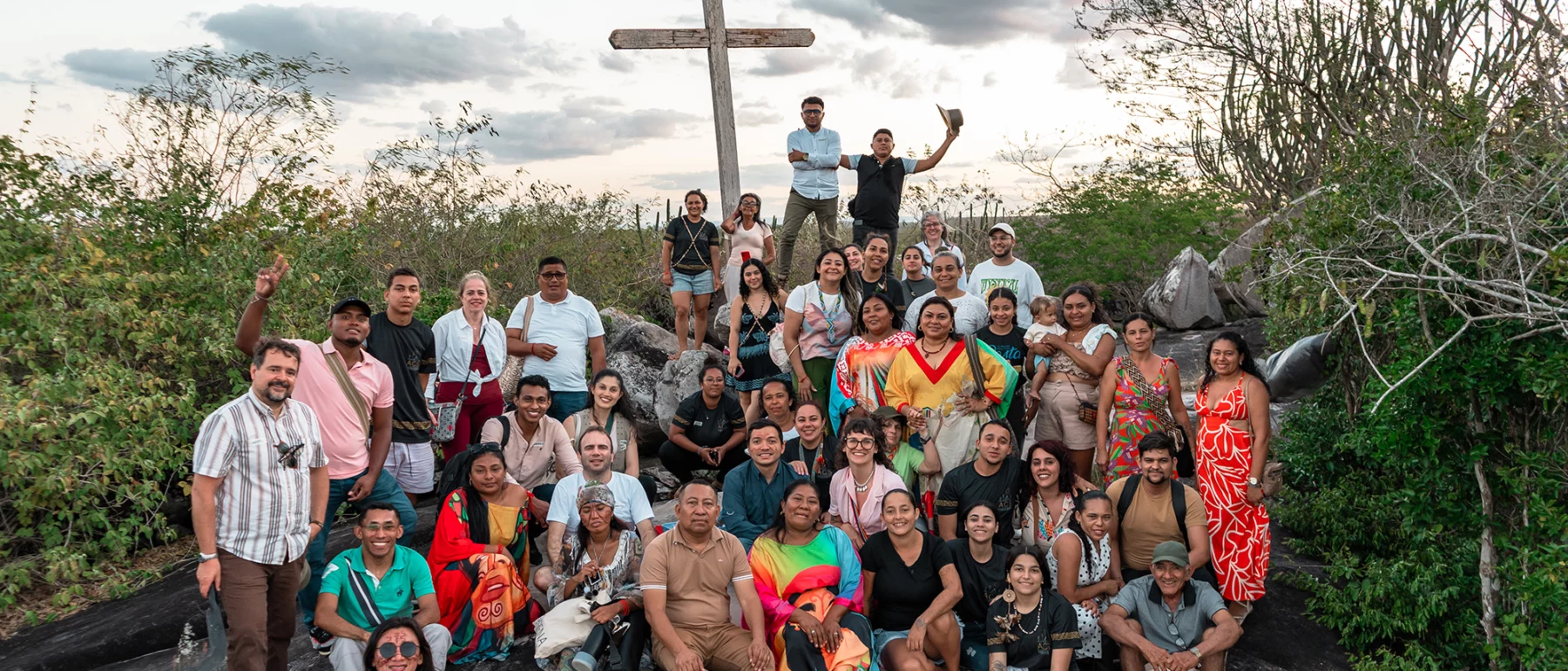
The training benefited 20 Wayuu leaders, with men and women equally represented. Gender parity ensured the inclusion of diverse voices in community processes historically dominated by men.
Participants have since engaged in prior consultation processes within their own communities, interacting with eight different wind energy and transmission companies operating in their territories. The training strengthened their understanding of the technical and legal dimensions of these projects and their ability to request information, formulate proposals, negotiate agreements, and independently assess potential impacts.
This has led to concrete proposals, such as regulating the role of community advisors representing wind power companies and improving means for selecting traditional authorities within consultation processes. Strengthening these capabilities not only improves dialogue between communities, companies and the relevant authorities, but also places the energy transition on a more solid foundation.
This program strengthens our knowledge and helps us play a key role in prior consultation processes, fostering better sociocultural engagement between our communities and companies so these projects truly improve our quality of life as Wayuu Indigenous people.
Yolimar Ipuana, training program participant
SEI also collaborated with UPME, the government agency responsible for energy planning, to make data on wind energy in La Guajira more accessible and useful for all stakeholders.
While environmental impact assessments of wind energy projects and related infrastructure contain valuable details about project design and their social impacts, the data are often scattered across multiple repositories and presented in formats that make them difficult to access and use.
SEI researchers developed a comprehensive geodatabase that integrates this dispersed information and makes it easier to visualize, understand and share. It includes project boundaries, infrastructure elements, and contextual social and community-relevant layers.
In partnership with Tufts University, SEI also created an innovative dataset of jagüeyes (traditional ponds that are the main water sources for many Wayuu communities). Using AI-based image recognition to map these critical water points, the dataset shows how wind energy projects overlap with local water resources: a vital aspect of understanding community vulnerability and land-use pressures in an arid region.
UPME adopted SEI’s database into its official geoportal on wind parks in La Guajira, providing open geographic data to the public. This marks an important step towards transparency and accessibility. Since then, the database has been consulted and referenced by many institutions and stakeholders in the energy sector.
UPME has expressed an interest in expanding the collaboration in 2026 to include other territories and renewable energy sources, recognizing SEI’s technical expertise.
SEI annual report / Across a changing global landscape, SEI delivers knowledge and solutions to drive sustainable development forward.
Feature / An SEI program is strengthening Wayuu capacity to advocate for their interests in wind energy project development and related infrastructure.
Other publication / This research highlights the need to treat social viability as a core part of renewable energy planning, investment and implementation.