SEI, UNEP, and the Alliance of Nairobi Metropolitan Residents Association held an event to mark this year’s International Day of Zero Waste. The event focused on the fashion and textile sector to promote sustainability and the circular economy.
The event brought together over 40 participants from Nairobi’s Embakasi East Constituency living in Nyayo Estate, Kware, Tassia, and Fedha. The Alliance of Nairobi Metropolitan Residents Association (ANMRA), SEI and UNEP have been working together on environmental monitoring and public awareness of air pollution.
Over the last year, efforts have focused on assessing air quality within Nyayo Estate. This led to the successful deployment of two air quality sensors to measure pollutants such as particulate matter and carbon dioxide and relate these to weather parameters such as relative humidity, temperature, and air pressure. The sensors provide real-time data, equipping residents and estate managers with critical insights into pollution levels and potential sources.
Nyayo Estate is the largest single gated community in East and Central Africa, strategically located in Embakasi, Nairobi. The estate comprises around 5 000 housing units, providing residence for up to 30 000 residents. The estate is a well-planned residential area, with essential social amenities such as schools, shopping centres, recreational spaces, and medical facilities. Its proximity to industrial zones, major transport routes, and Jomo Kenyatta International Airport (JKIA) makes it an area of interest for both environmental and urban sustainability.
The fashion and textile industry is one of the largest contributors to global waste and pollution. Fast fashion trends, growing consumerism, and limited recycling infrastructure have led to the accumulation of substantial amounts of textile waste in Kenya, particularly in urban areas.
The global fashion industry significantly contributes to environmental challenges, producing approximately 92 million tonnes of textile waste annually and accounting for 10% of global carbon emissions. Current global consumption stands at 62 million tonnes of textiles per year, projected to rise to 102 million by 2030. The industry is responsible for 8.1% of global greenhouse gas emissions and generates 20% of global water waste, with the production of a single cotton shirt requiring about 2700 litres of water, equivalent to an individual’s drinking water for 2.5 years.
In Kenya, the challenge is especially clear: In 2021, about 458 million of the 900 million of used clothing imported into Kenya were worthless. A recent report on the Kenyan thrift market further confirmed this problem by mentioning how traders had to part with approximately 20-50% of the bales of used clothes they buy due to their flawed condition.
Recognizing this challenge, Nyayo Estate, the Alliance of Nairobi Metropolitan Residents Association (ANMRA), has taken a proactive role in managing textile waste as part of its broader environmental sustainability efforts. Since 2020, ANMRA has been deeply involved in circular economy initiatives, with a strong focus on plastic waste and e-waste management, and in 2023, it expanded its efforts to tackle the issue of textile waste, developing a structured strategy for waste reduction, resource optimization, and sustainability.
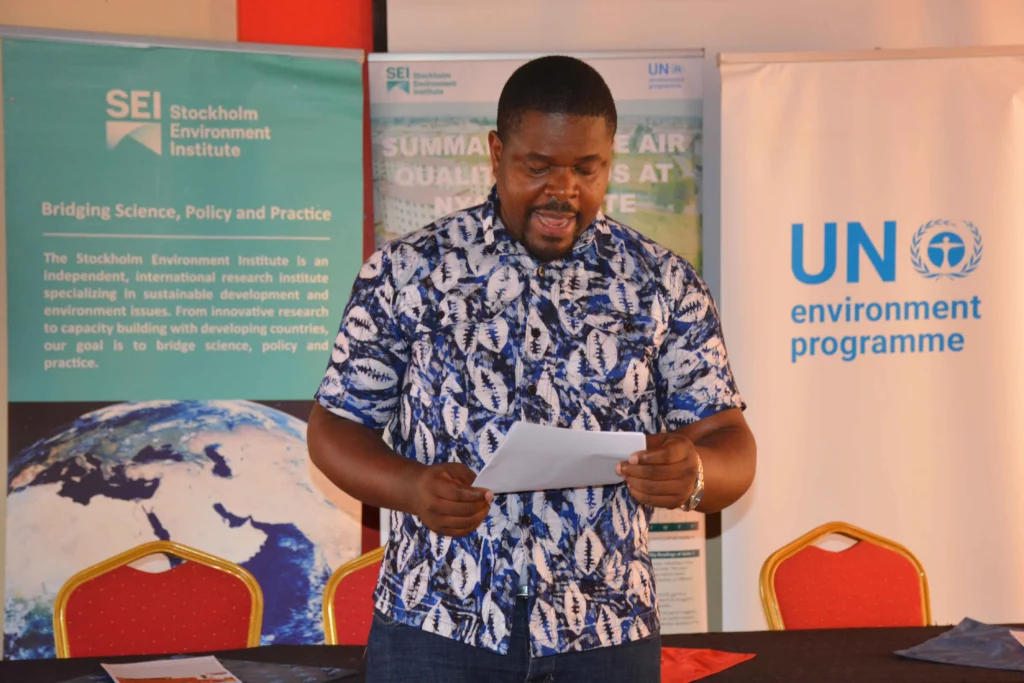

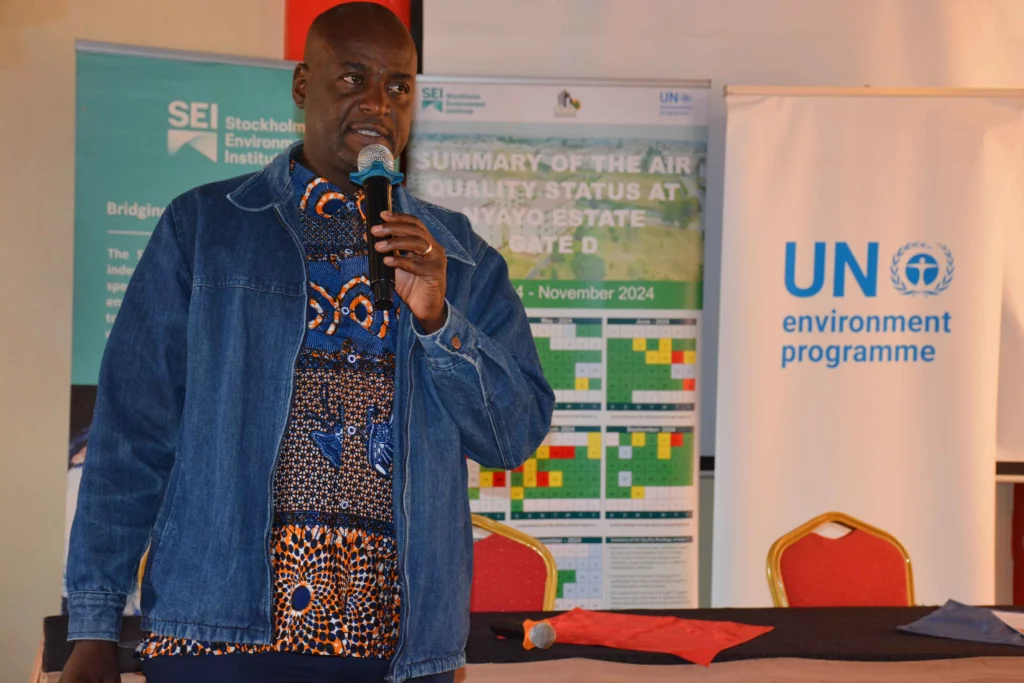
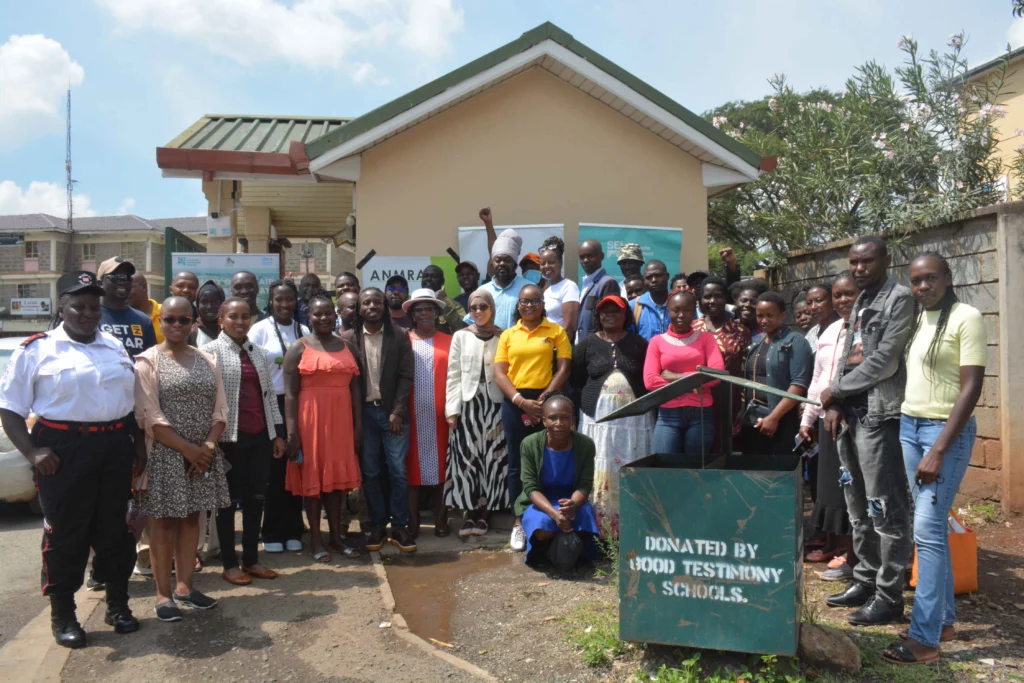
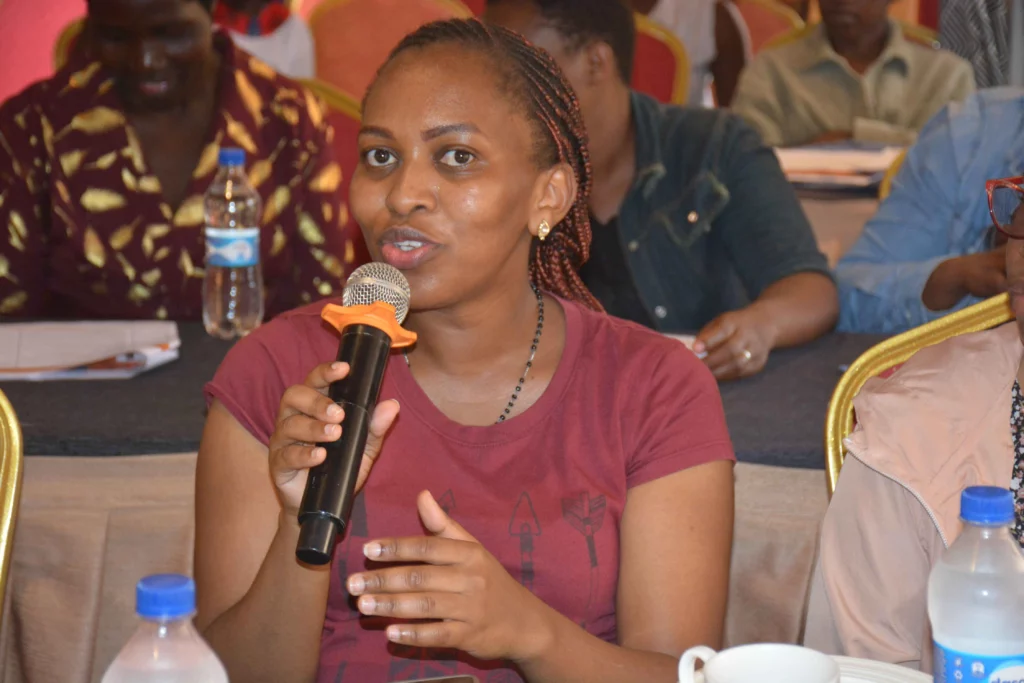
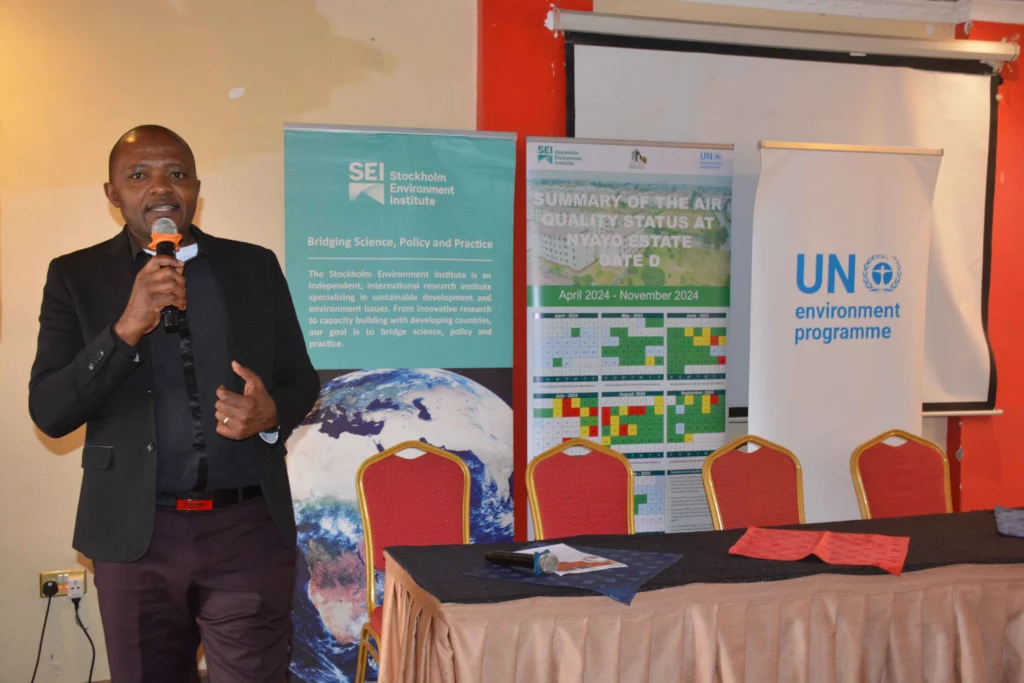
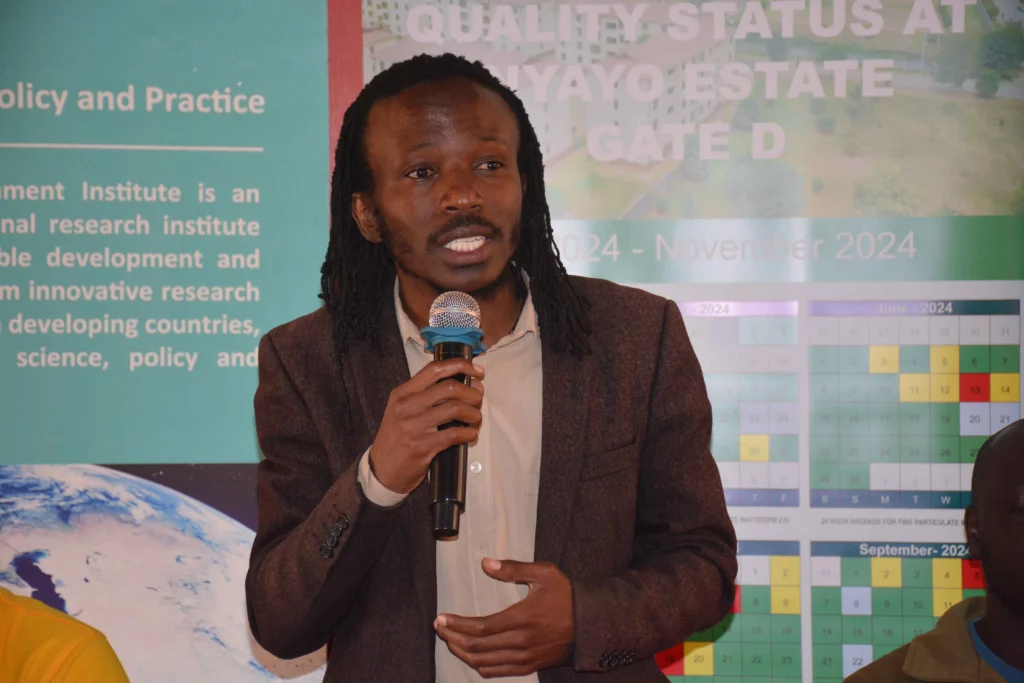
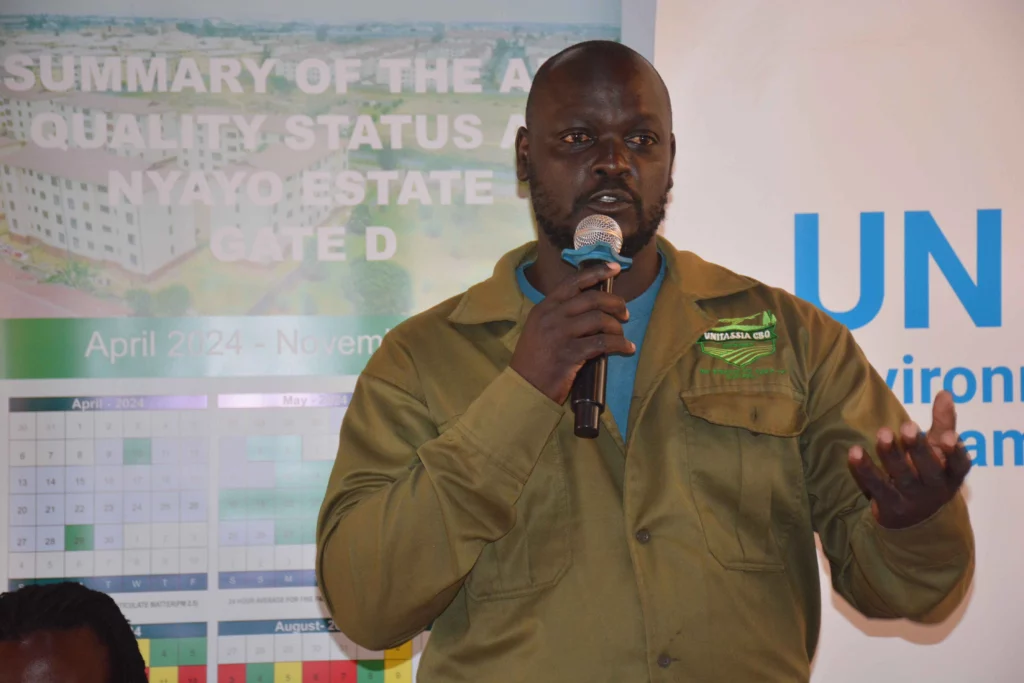

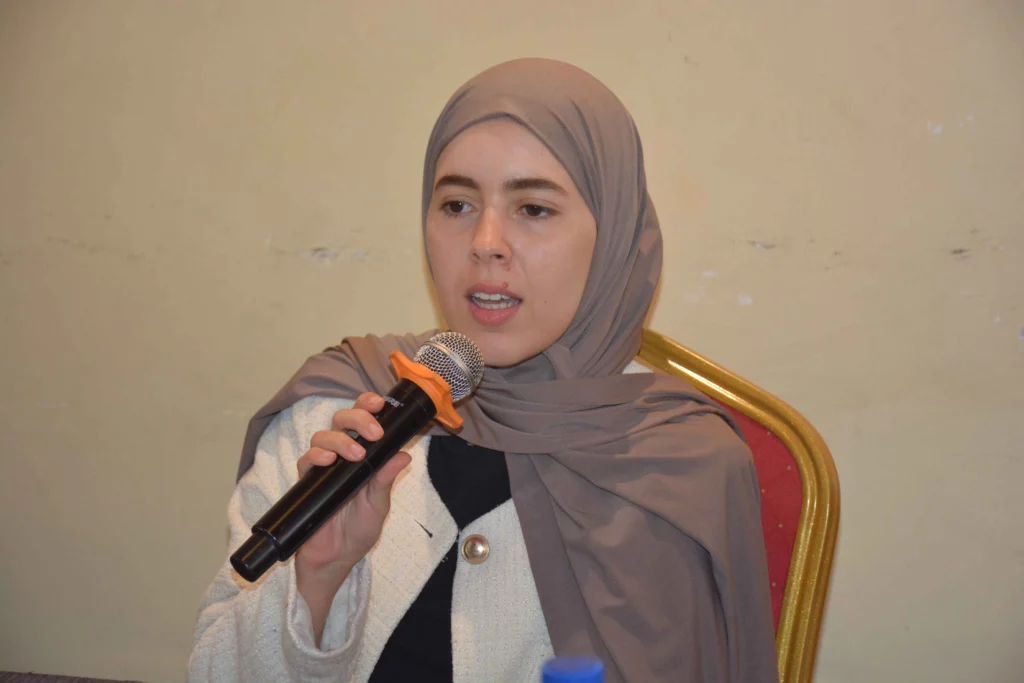

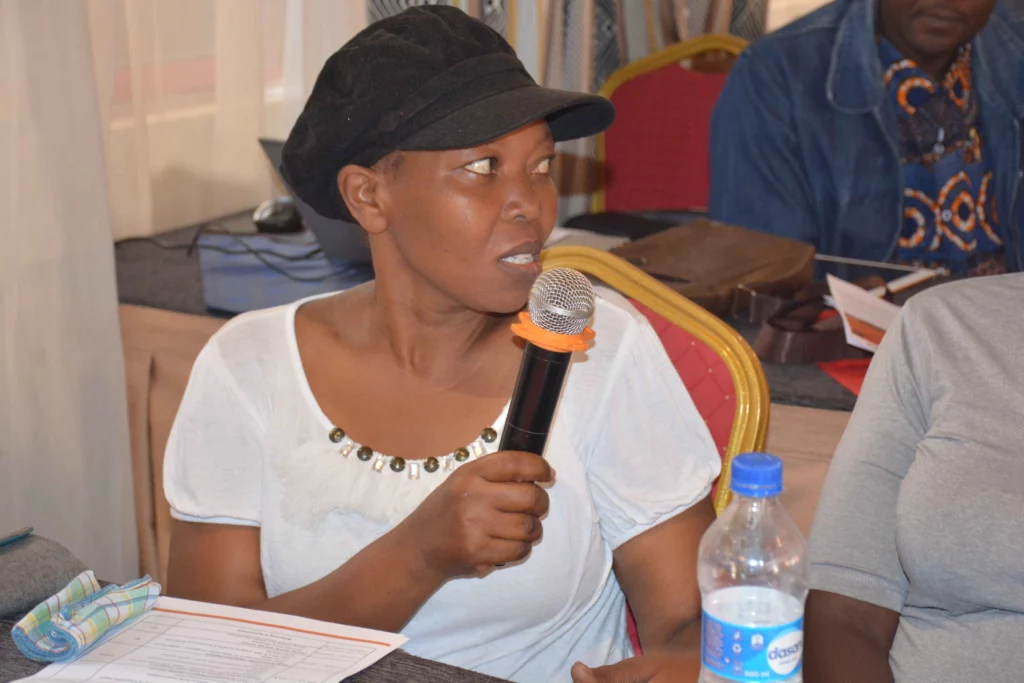
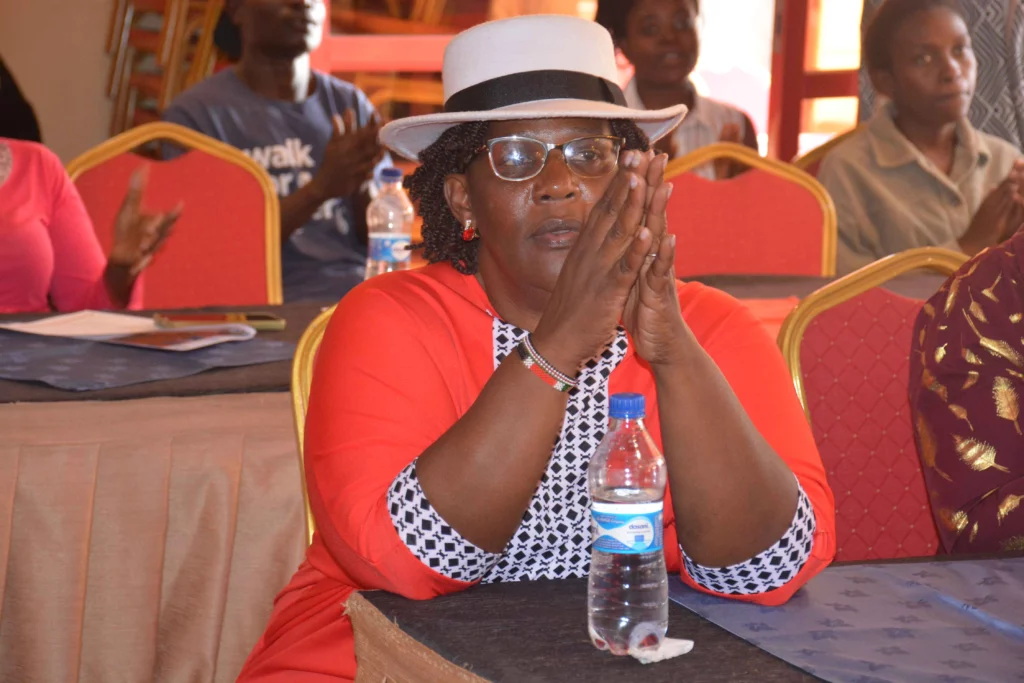
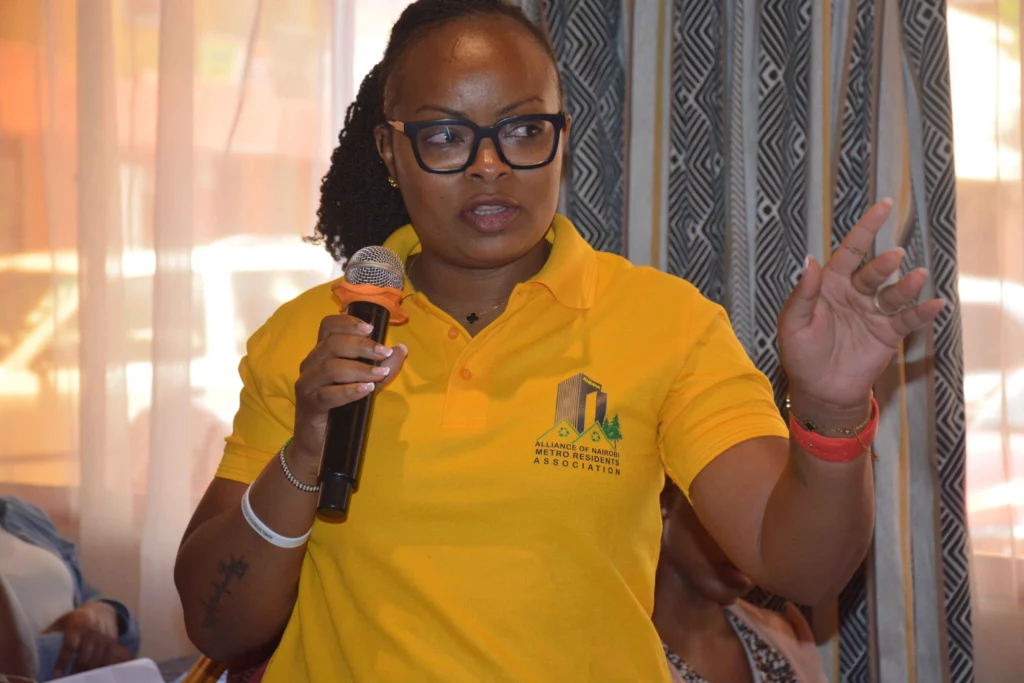

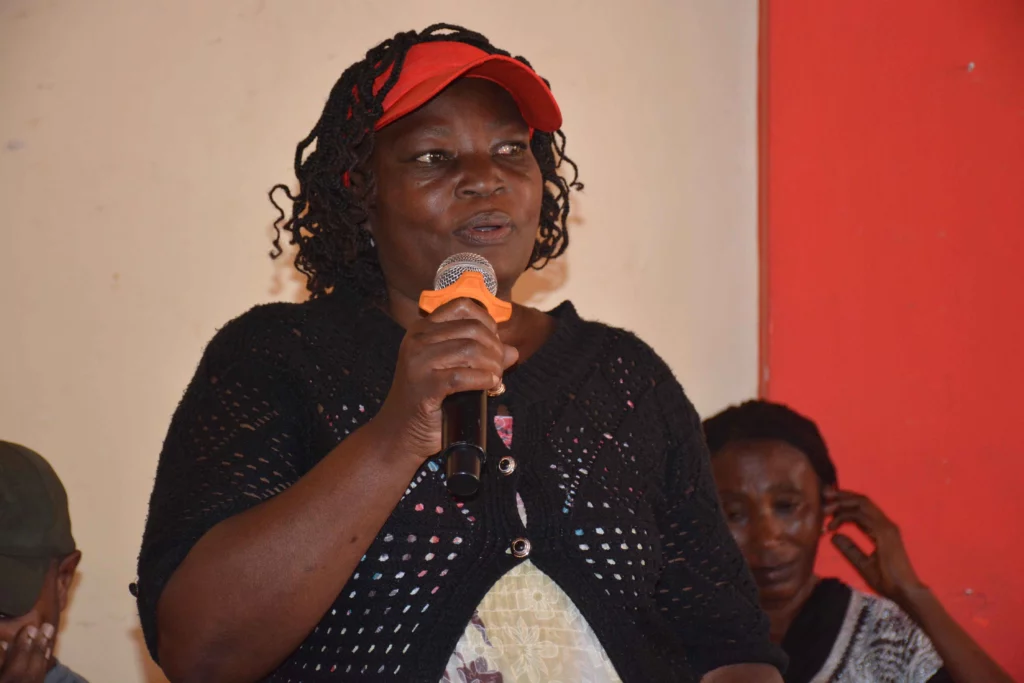
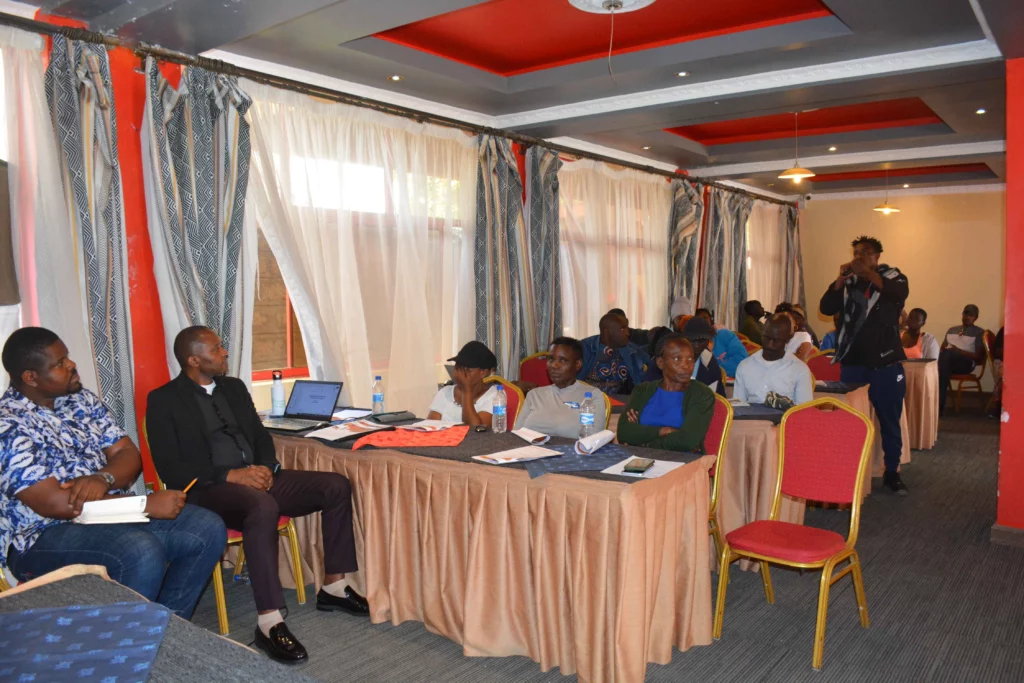
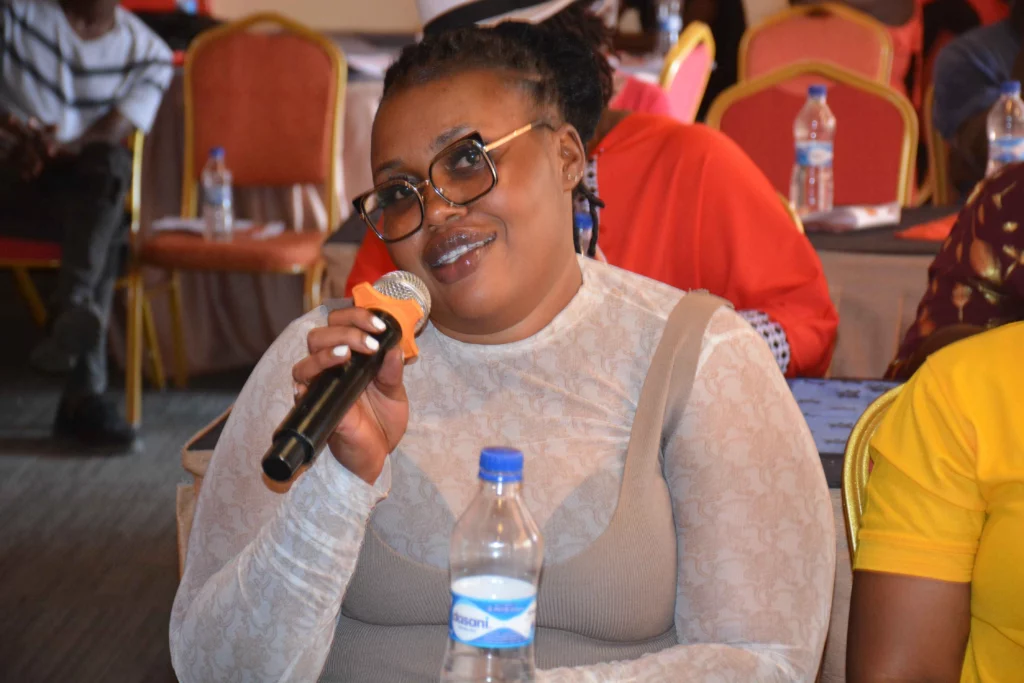
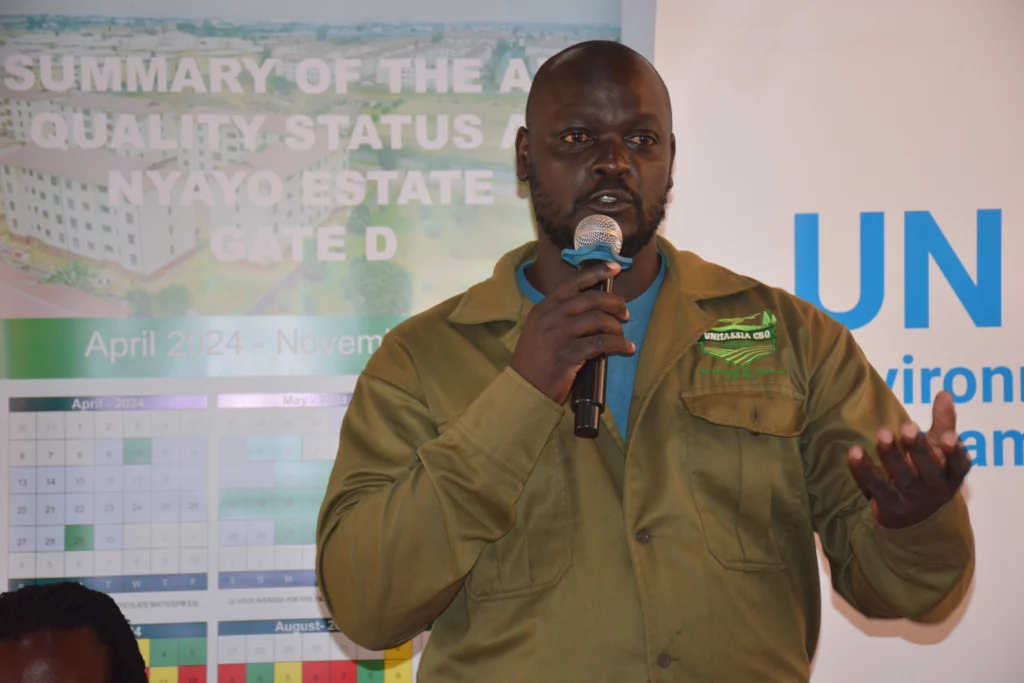
Residents revealed that they have a charity drive twice a year to help people dispose of their clothes, which are taken to children’s homes or donated to people in need.
Another method frequently used by Nyayo residents is hand-me-down culture: families have embraced the tradition of passing down clothing from older to younger family members.
Participants also revealed that upcycling has created opportunities for youth engagement through fashion upcycling programs. These initiatives encourage creative reuse of textiles by transforming old or discarded clothing into trendy and functional fashion pieces. Many participants also said that when clothes are too damaged to donate, they can be repurposed, for example, by using jeans to make vertical kitchen gardens on balconies.
Participants at the event spoke about the challenges in promoting locally made clothes and sustainable practices. The high cost of locally made clothes makes it difficult for people to afford them – an issue that is exacerbated by increased production costs in local industries, driven by high taxes, which further incentivize imports of cheaper clothing. The participants revealed a widespread lack of knowledge about proper waste separation during disposal, which discourages efforts to promote sustainable practices such as recycling and upcycling.
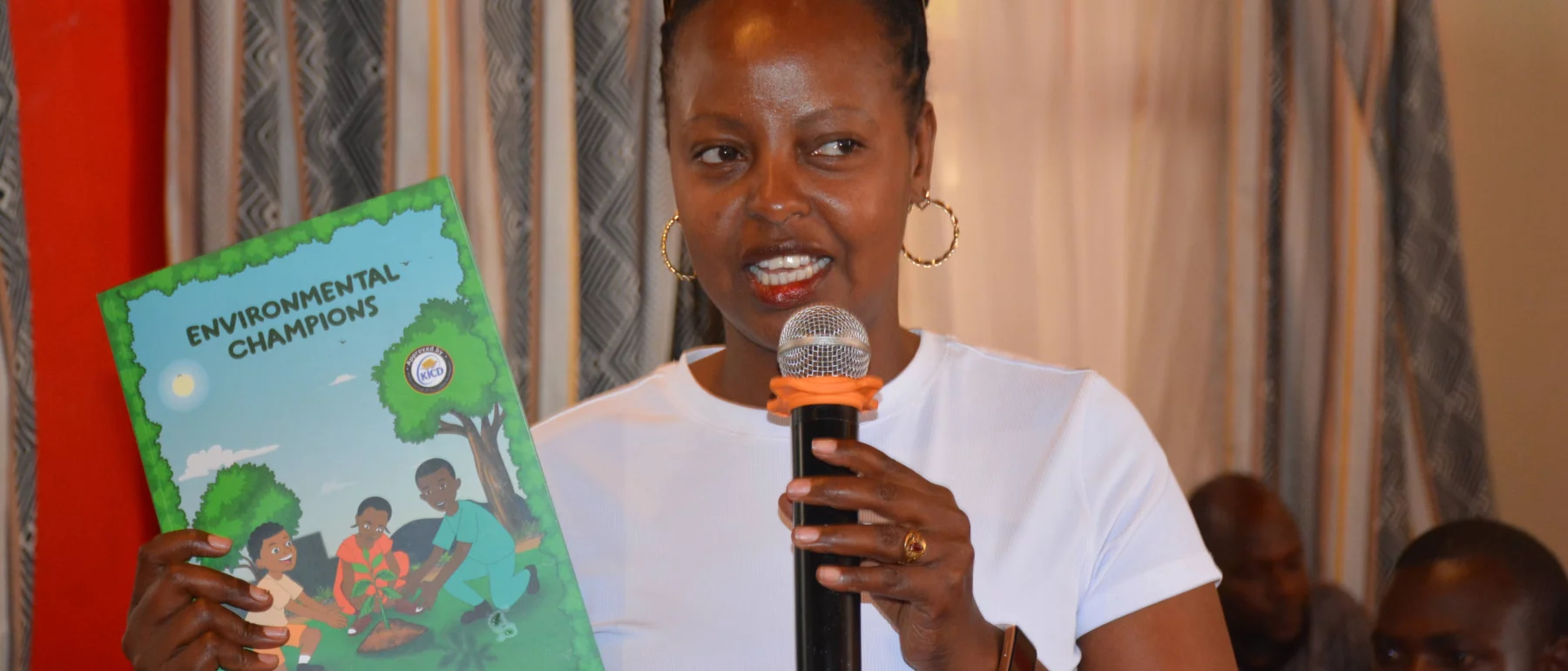
At the end of the workshop, participants discussed solutions and recommendations. First, they emphasized the importance of bringing environmental events to informal settlements, highlighting the potential to engage young people and reduce drug and substance abuse. Second, they stressed that collaboration is important, urging estates to partner with relevant authorities and communities to achieve sustainability goals and contribute to global objectives. Third, they recommended encouraging waste separation before disposal and promoting upcycling, including repurposing clothes. They also suggested educating school children through a simplified curriculum featuring illustrations and cartoons.
As AI continues to infiltrate many industries, participants also it suggested how it could be integrated into the fashion industry as a creative way to design and upcycle clothes, making them more fashionable and desirable. Inclusivity was another key point, with a particular focus on involving persons with disabilities, including the deaf community in Embakasi.
Project / This project will build scientific evidence and knowledge platforms for urban air quality and climate resilience.
Journal article / "Breathing well" is about more than air quality: cleanliness, population and building density and the presence of vegetation all make a difference.
Project / This project supports Madagascar’s leadership in advancing clean air action in the Indian Ocean Commission region
Feature / A three-day workshop in Mogadishu, supported by SEI Africa, ended with a new multisectoral working group to guide Somalia's air quality policy.