2026 marked the 250th anniversary of the discovery of methane. In recognition of this scientific milestone, leaders in science, policy and innovation gathered to discuss methane emissions mitigation strategies. This conference resulted in the Angera Declaration, a ten-point agreement signed by over 150 scientists, urging global action on methane emissions. In this paper, the authors assess the repercussions of the Angera Declaration for Africa.
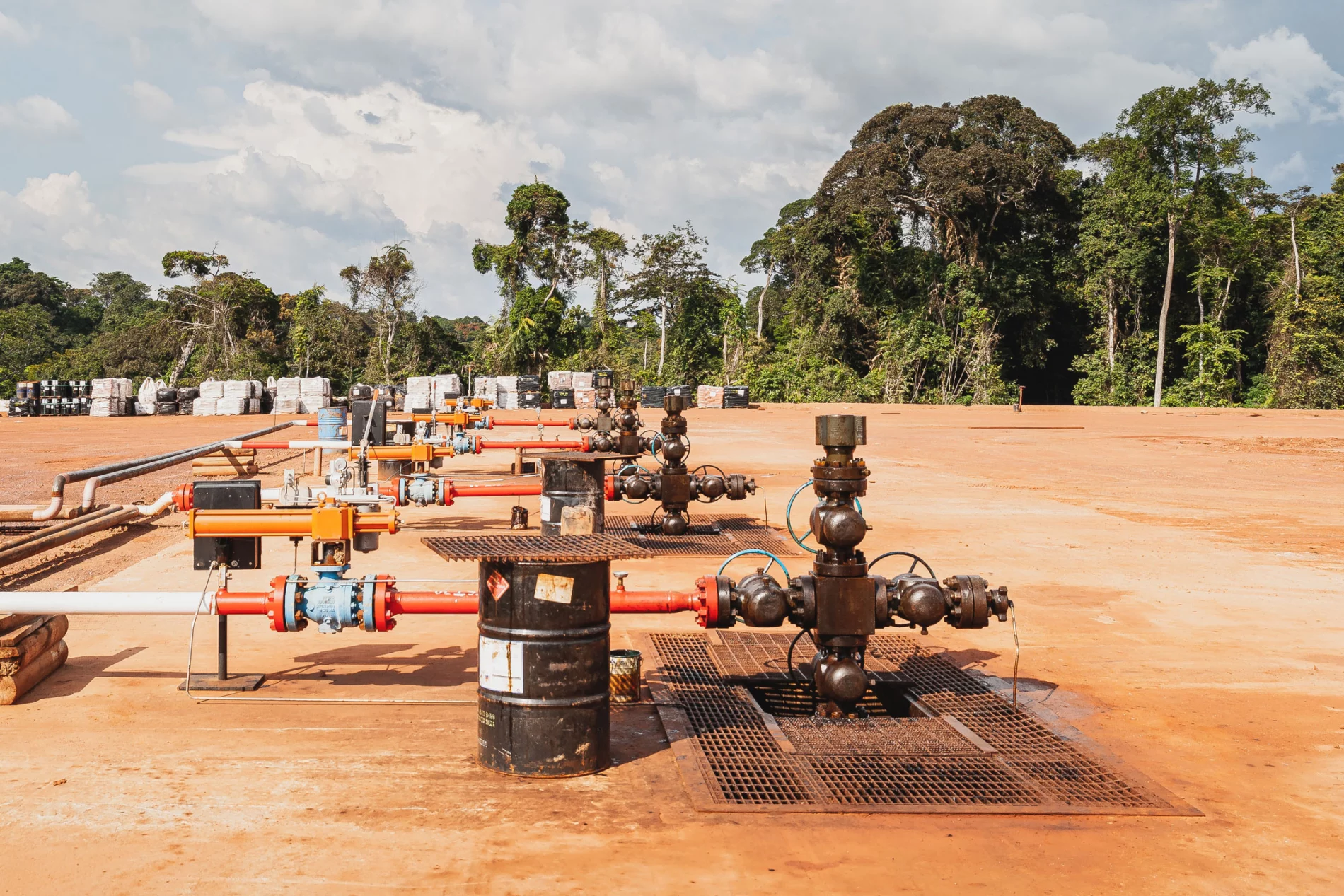
Methane can leak from oil and gas facilities. Preventing this leakage can be a double-win for climate and the economy.
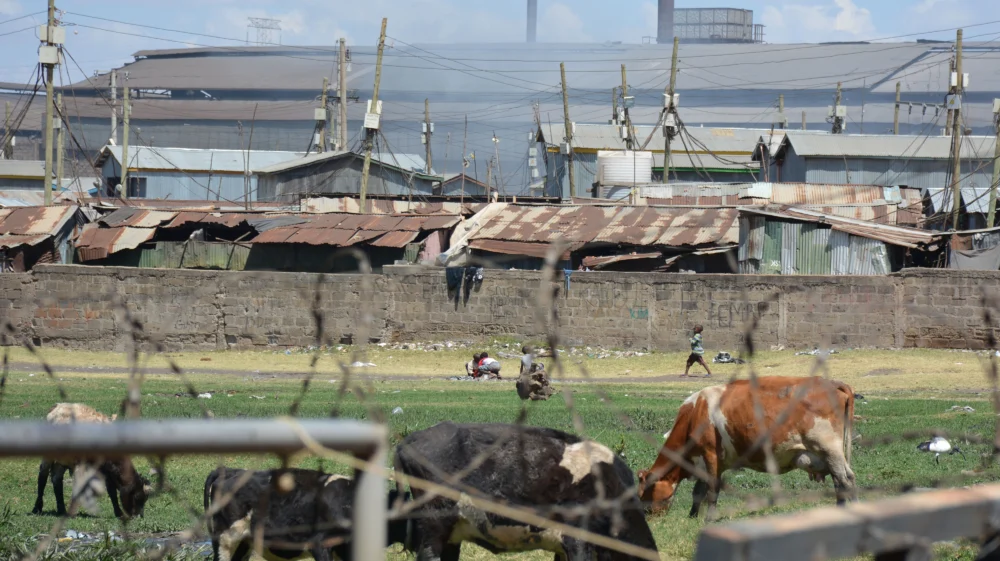
Methane is an invisible, potent greenhouse gas and forms a short-lived climate pollutant, damaging people’s health and crop yields. The major sources of methane are agriculture, the oil and gas sector and waste management.
The Angera Declaration emphasizes the need for coordinated technological and political actions to reduce methane emissions. It aligns with efforts such as the African Methane Community of Practice (AMCoP), the African Clean Air Forum and the African Clean Air Program (ACAP), all of which advance the broader aims of the Integrated Assessment of Air Pollution and Climate Change for Sustainable Development in Africa.
The Declaration underscores the importance of ongoing initiatives on the continent in numerous ways, including:
The Declaration, in combination with the Integrated Assessment, builds momentum for greater action on methane and could catalyze sustainable growth across the continent.
Journal article / "Breathing well" is about more than air quality: cleanliness, population and building density and the presence of vegetation all make a difference.
Feature / Discover how air quality research since the 1990s has shaped policy and highlighted the health, economic and social benefits of addressing air pollution.
Journal article / This research examines how changes in population vulnerability and exposure to air pollutants affect global air pollution-related mortality trends.