Skip navigation
A woman wearing a red headscarf and a black sweater harvesting ripe coffee cherries from a lush green coffee plant in a plantation.
Project

Advancing Bioeconomy Development in Kenya (ABDK) Project

Over the past two decades, bioeconomy has gained global recognition as a key driver of sustainable economic transformation. The ABDK project aims to advance bioeconomy development in Kenya and support partnership-building between Swedish and Kenyan bioeconomy actorscontributing to industrialization, modernization, and the scaling up of the bioeconomy in Kenya, with lessons applicable to the wider East African region.

Active project

2026

Supported by Sida they key objectives of the project have been to:

  • Advance the Kenyan policy framework for bioeconomy development.
  • Map private-sector bioeconomy actors, agripreneurs, and biopreneurs in Kenya and Sweden.
  • Develop bioeconomy roadmaps for different Kenyan bioeconomy actor clusters, outlining shared visions and pathways for scaling up the Kenyan bioeconomy.
  • Establish a platform for business-to-business collaboration, including the Kenya–Sweden Bioeconomy Business and Innovation Fair.

The roadmaps highlight opportunities for market expansion, increased investment, and adoption of modern technologies and skills, while also proposing practical enablers and policy actions to overcome shared barriers.

They also set clear milestones toward 2030 and 2040, envisioning stronger, more resilient enterprises in the medium term and, in the long term, fully supportive bioeconomy ecosystems capable of competing regionally and globally.

  • Cluster 1: Value addition to primary produce and circular food systems
    This cluster includes MSMEs involved in agri-processing, novel food development, aquaculture, and insect-based feed. 
  • Cluster 2: Biobased agricultural inputs
    This cluster consists of MSMEs producing environmentally sustainable agricultural inputs such as biofertilizers, biopesticides, bio stimulants, microbial soil enhancers, and other regenerative inputs. 
  • Cluster 3: Biobased industrial development
    This cluster focuses on MSMEs producing alternatives to plastic, including biodegradable packaging made from wood fibre, water hyacinth, and biowaste. It also includes enterprises developing building materials from renewable resources such as bamboo, treated wood, and biocomposites.
  • Cluster 4: Sustainable bioenergy
    This cluster includes MSMEs producing clean energy solutions from biomass and biowaste, such as briquettes, biogas, and biofuels. 

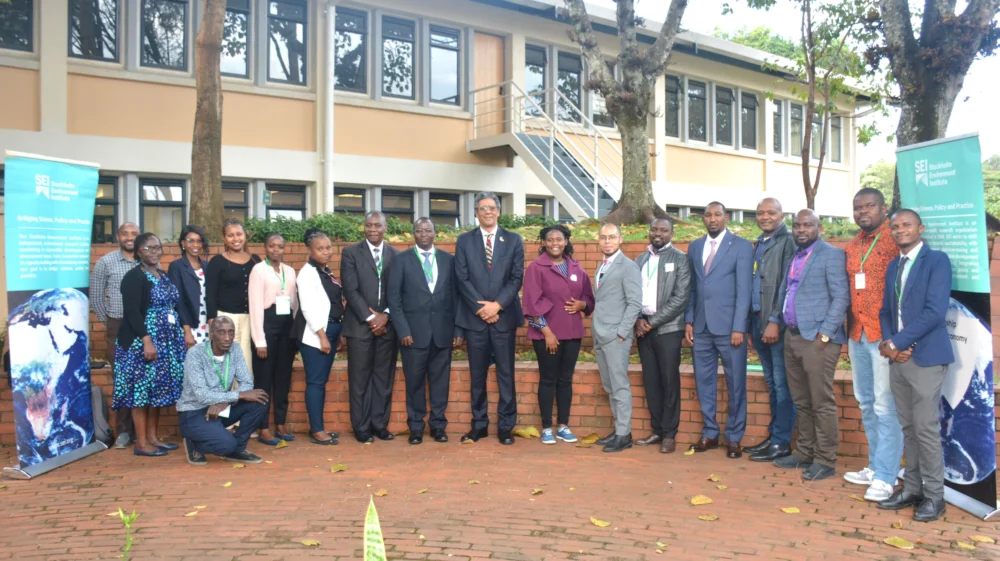
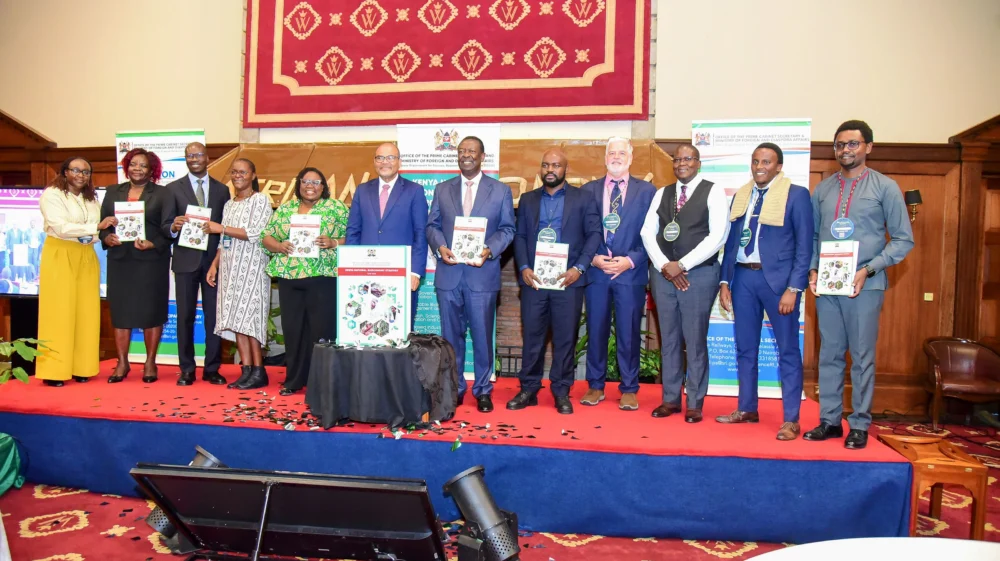
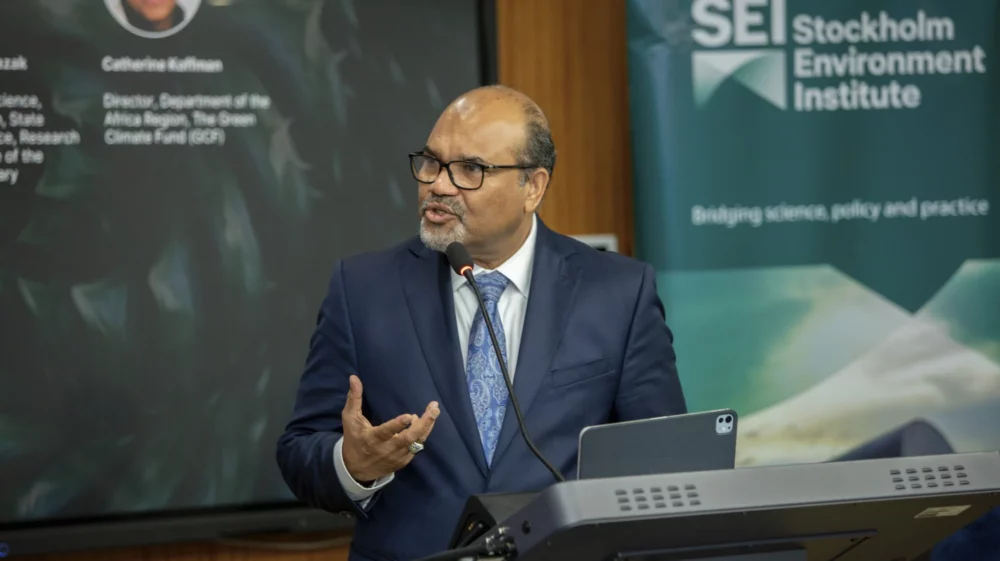
The Kenya–Sweden bioeconomy business trade fair brought together businesses, researchers, and policymakers from both countries to strengthen collaboration in the bioeconomy sector.

Niall O’Connor

Centre Director

SEI Africa

Romanus Opiyo
Romanus Opiyo

Policy and Engagement Lead

SEI Africa

Lutta Alphayo
Alphayo Lutta

Research Fellow

SEI Africa

Ivar Virgin
Ivar Virgin

Senior Research Fellow

SEI Headquarters

Jamila Ahmed

Research Fellow

SEI Africa

Henry Nerious Dieto

Communications Specialist

Communications

SEI Africa

Topics and subtopics
Economy : Bioeconomy / Land : Food and agriculture
Related centres
SEI Africa
Regions
Africa, Sweden