On the heels of the landmark elections in Hungary, SEI and partners in the DIRECTED project worked with the historic Helikon Festival in Keszthely to bring youth views and artistic expression into wider climate change policy discussions.
The Helikon festival – a showcase for artistic works created by young people from across Hungary – for the first time incorporated activities by SEI and partners to integrate youth views about climate change into wider discussion by using artistic forms of expression. The unusual festival collaboration took place against a backdrop of dramatic change – both political and environmental.
Established in 1817 by Count György Festetics, the Helikon Festival was held in April 2026 on the heels of Hungary’s watershed election dramatically rejecting the rule of Viktor Orbán, who has been a symbolic figure for authoritarian governance worldwide. Orbán, who led Hungary’s government for 16 years, is the only political leader most youth in Hungary have ever known.
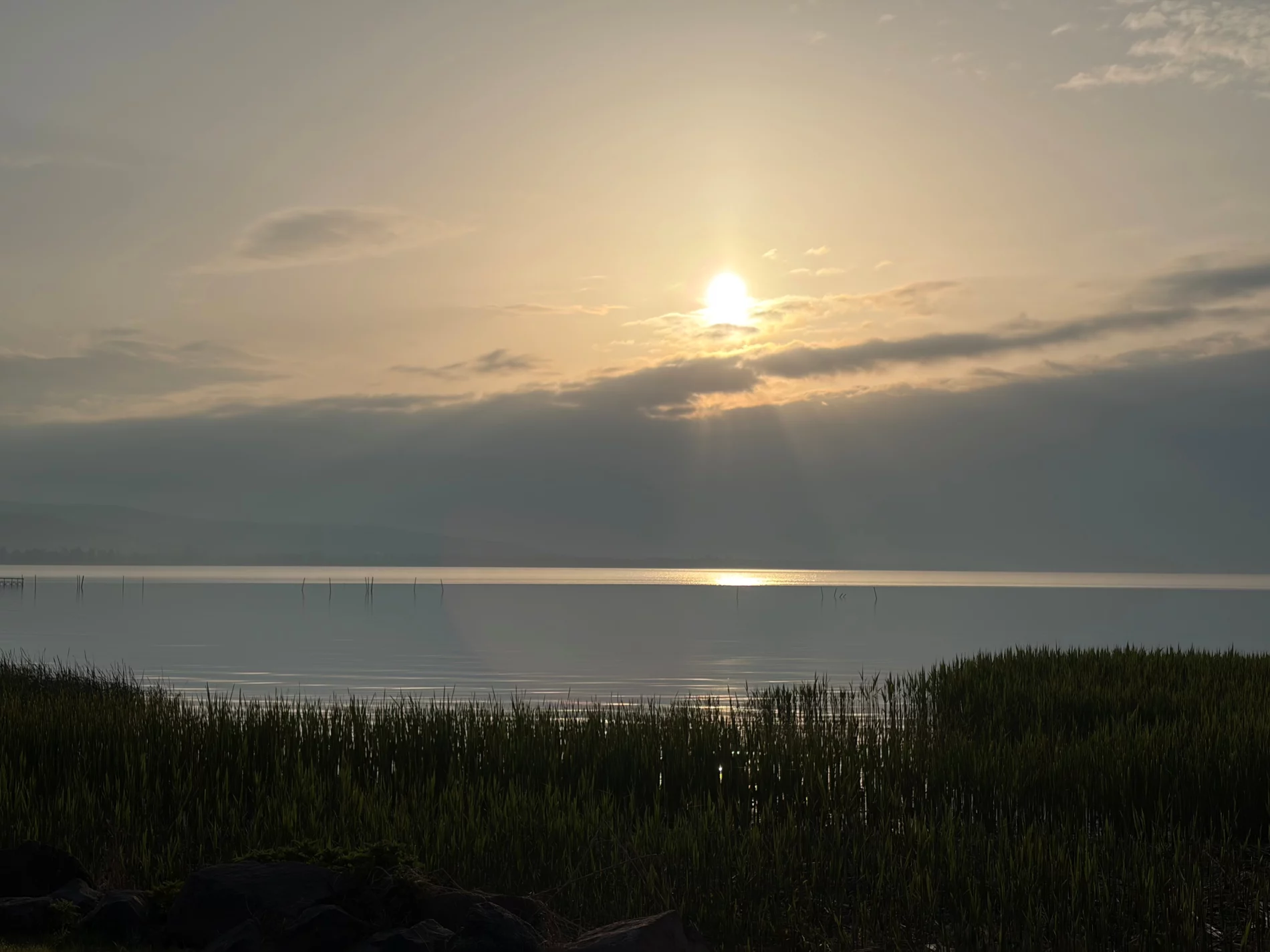
The Helikon Festival takes place in Keszthely, on the western banks of Lake Balaton, the largest freshwater lake in Central Europe. The site has become a visible symbol of the risks posed by climate change and unsustainable development. At the lake, water temperatures are rising, water levels are falling, and ecosystems are threatened by increasing algal blooms and invasive species.
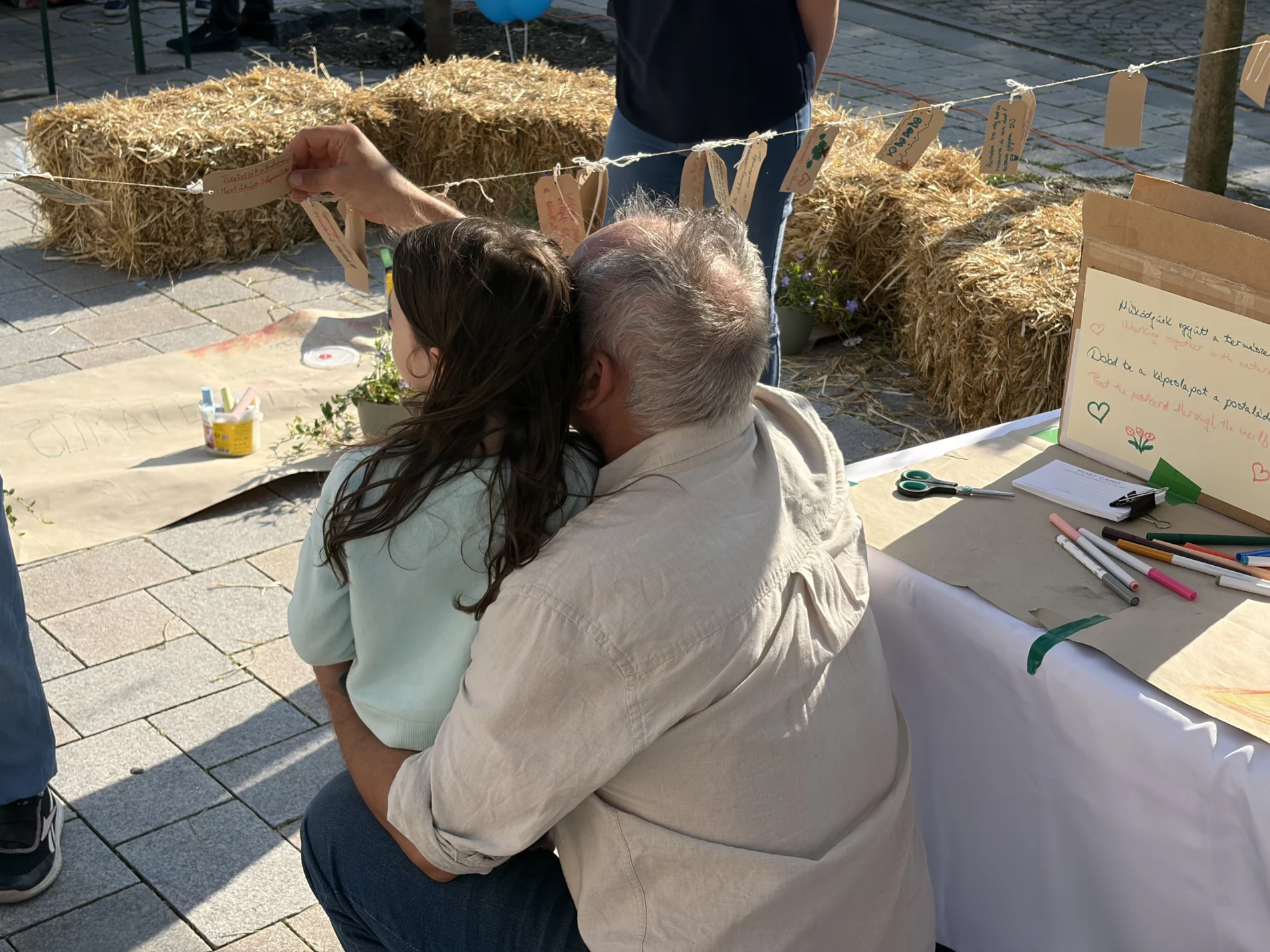
A father helps his daughter add her “wish for the future” to the display. Photo: Natascha Ng / SEI
For more than two years, the European Union’s DIRECTED project has been working in Zala County in southwestern Hungary to build collaboration among local authorities, citizens and the private sector to design better strategies that can boost resilience to disaster risks and impacts of climate change. Partners in the project include SEI and the Zala Special Rescue Team, a volunteer organization based in Zalaegerszeg that specializes in complex search and rescue operations.
The project’s work has taken place at a challenging time. A post-election analysis by Carbon Brief characterized conditions by noting that “Hungary has played a disproportionate role in EU climate and energy policy in recent years, by repeatedly vetoing climate action and by delaying the phaseout of Russian fossil-fuel imports.” Hungary is one of the few EU countries without a dedicated Ministry for the Environment. The EU has imposed fines and funding freezes on Hungary for violations of the rule of law and human rights.
The work in Hungary and other locations through the DIRECTED project has focused on integrating local knowledge to bridge the gap between scientific modelling and regional decision-making. A signature of the work is using interactive approaches to build trust and foster collaboration among entities that need to work together to better address rising climate risks.
Around Lake Balaton, we are witnessing increasing algae blooms, declining water quality, and falling water levels. In recent years, expanding construction has destroyed vital green spaces and natural reed beds that help purify the water. Protecting and restoring these surrounding green areas is essential.
Georgina Györgyi Szabó, a young resident of Keszthely
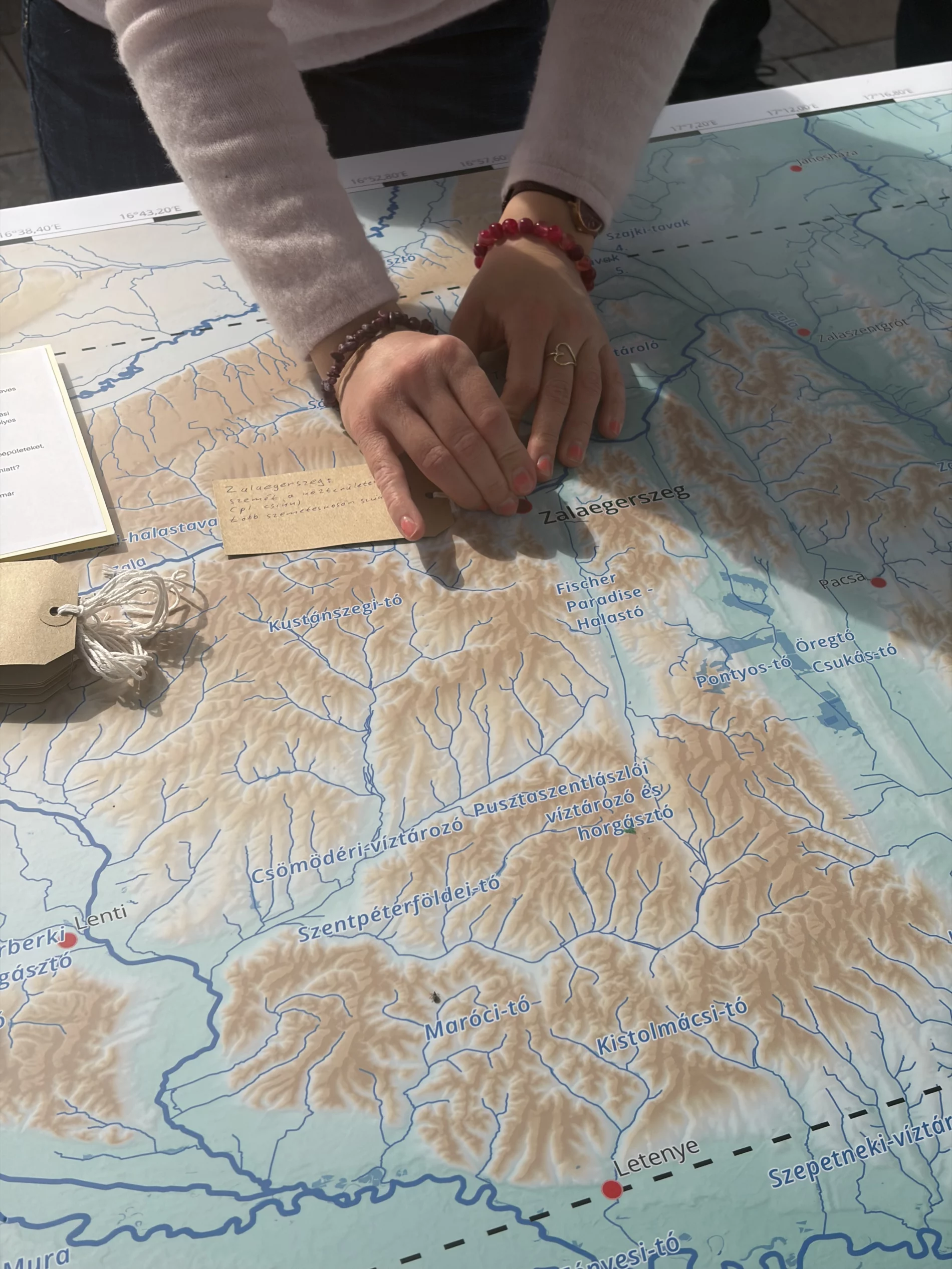
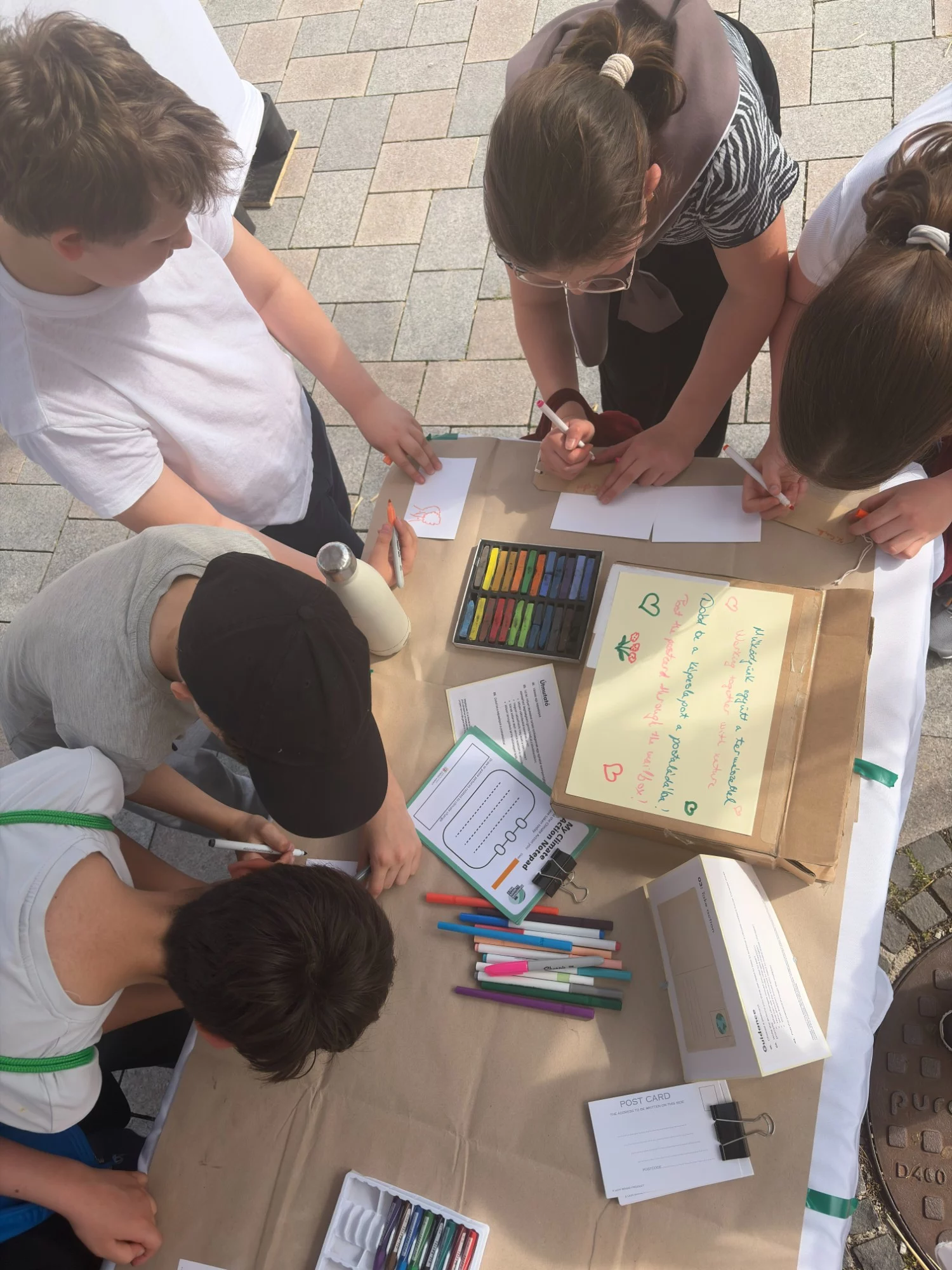
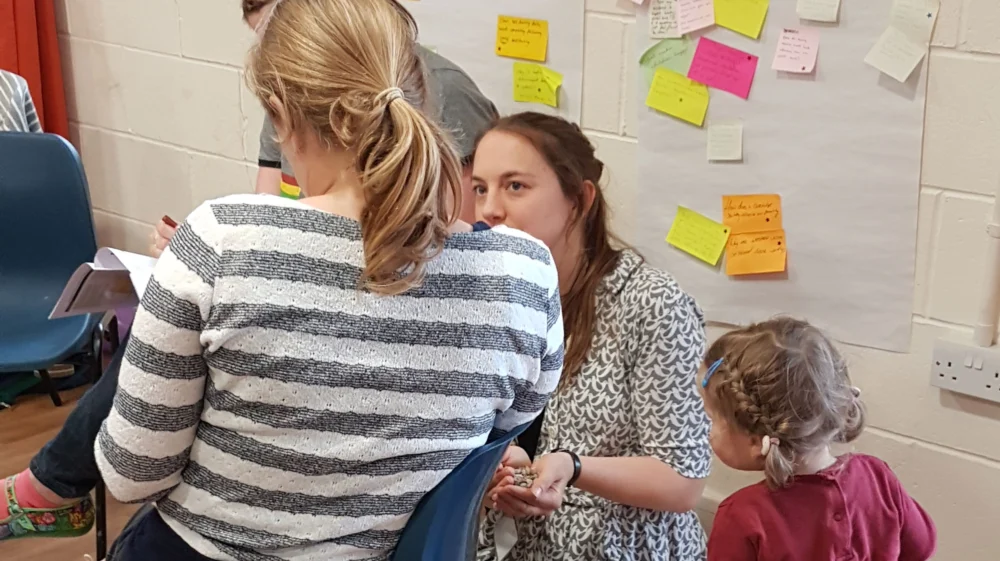
Writing down thoughts about a future climate for the region. Photo: Natascha Ng / SEI
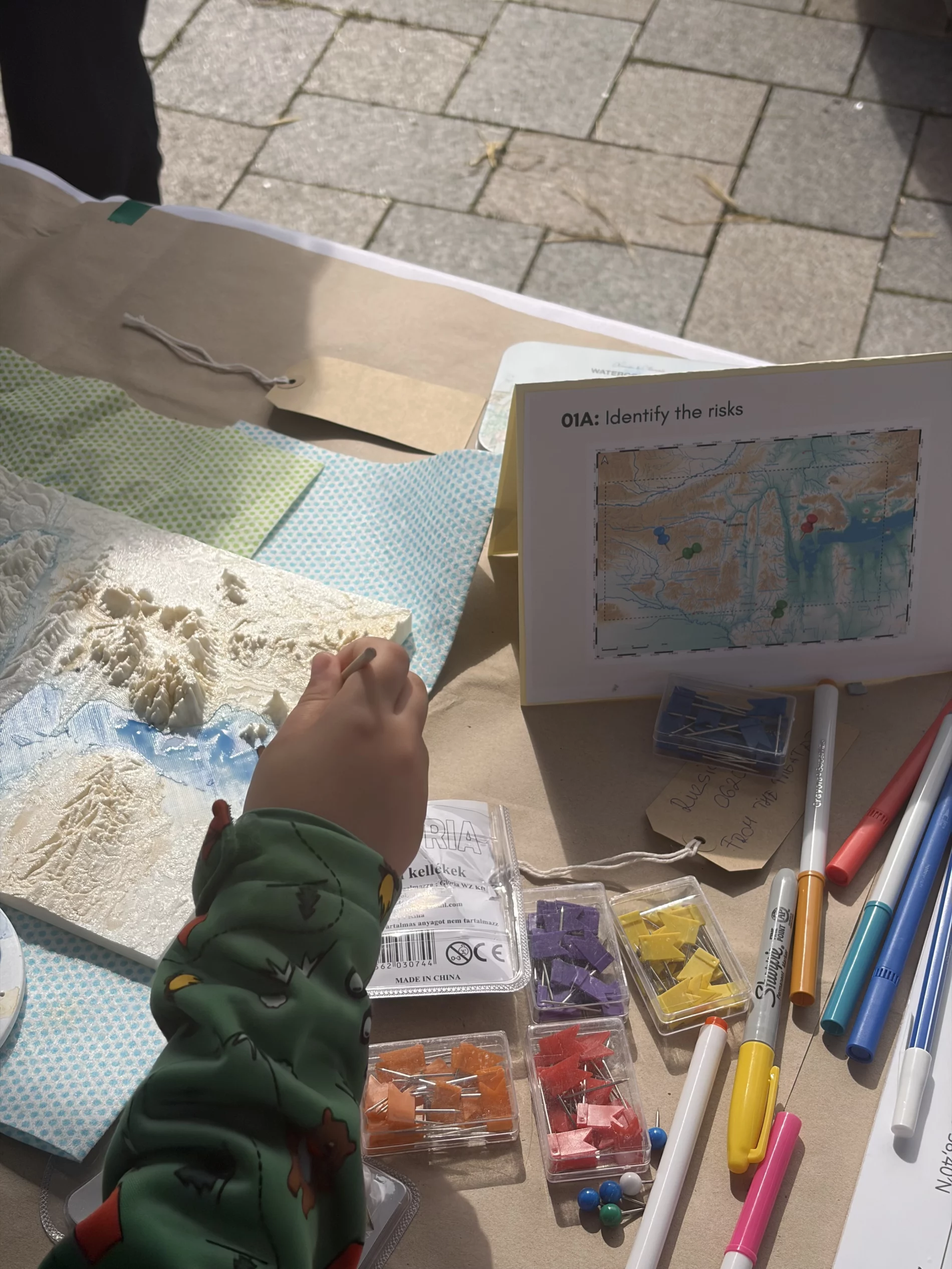
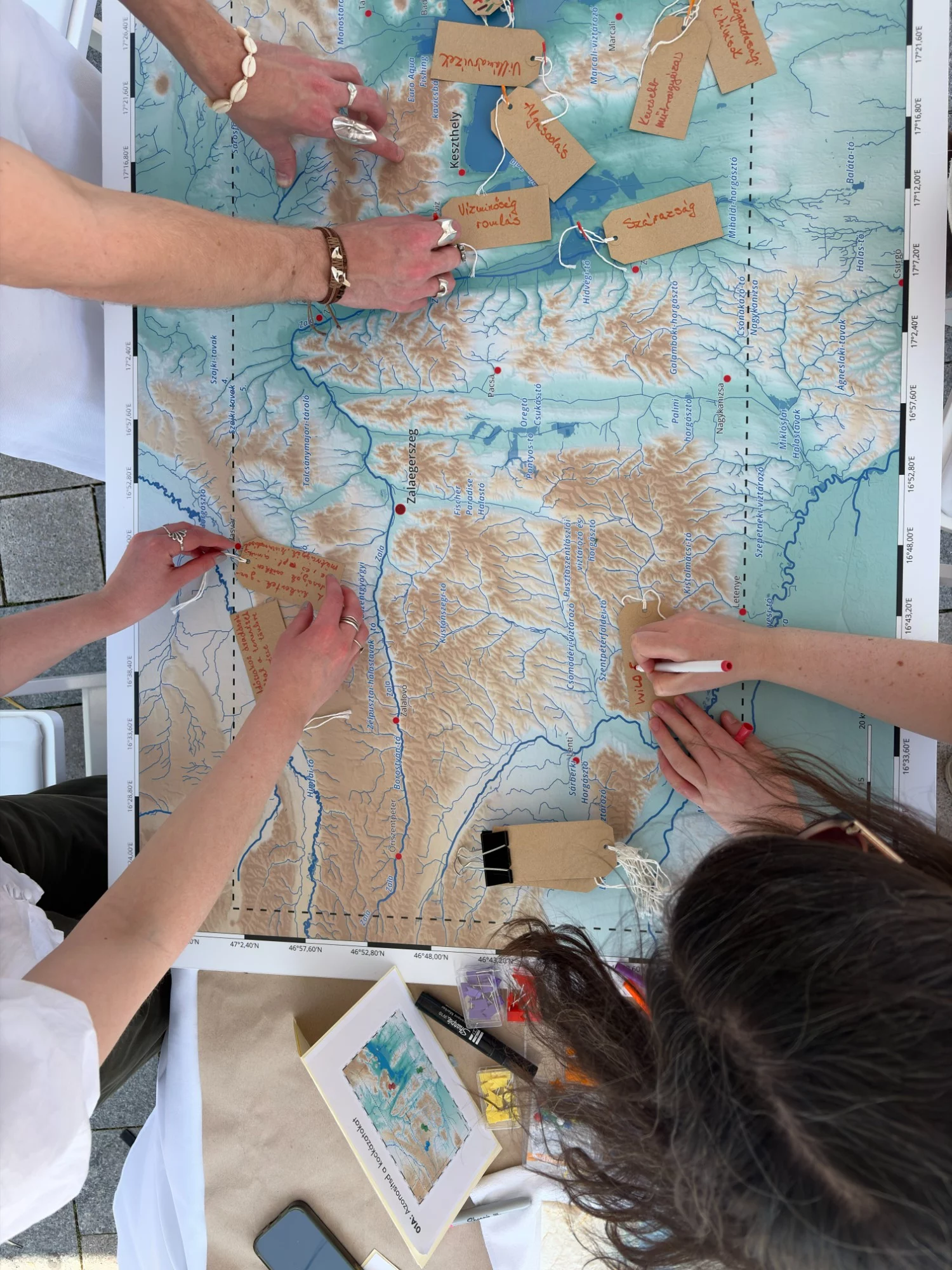
Identifying risks on one of the maps of the region. Photo: Natascha Ng / SEI
Work through the project’s “real world lab” in Hungary led to a focus on harnessing the skills, creativity and energy of young people and using art as a conduit for this. The approach recognizes that the perspectives of young people are often absent from formal climate change discussions, even though their generation and subsequent generations will bear the brunt of its impacts. This tack led the project to work with the Helikon Festival, to use it as an opportunity for young people to put forward their ideas and to use creative arts as a means of expression.
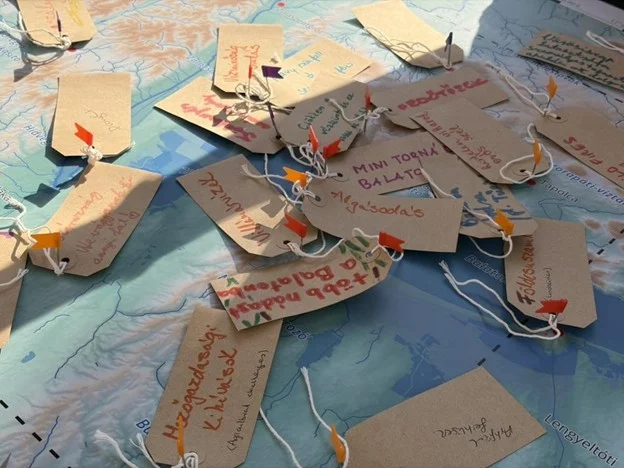
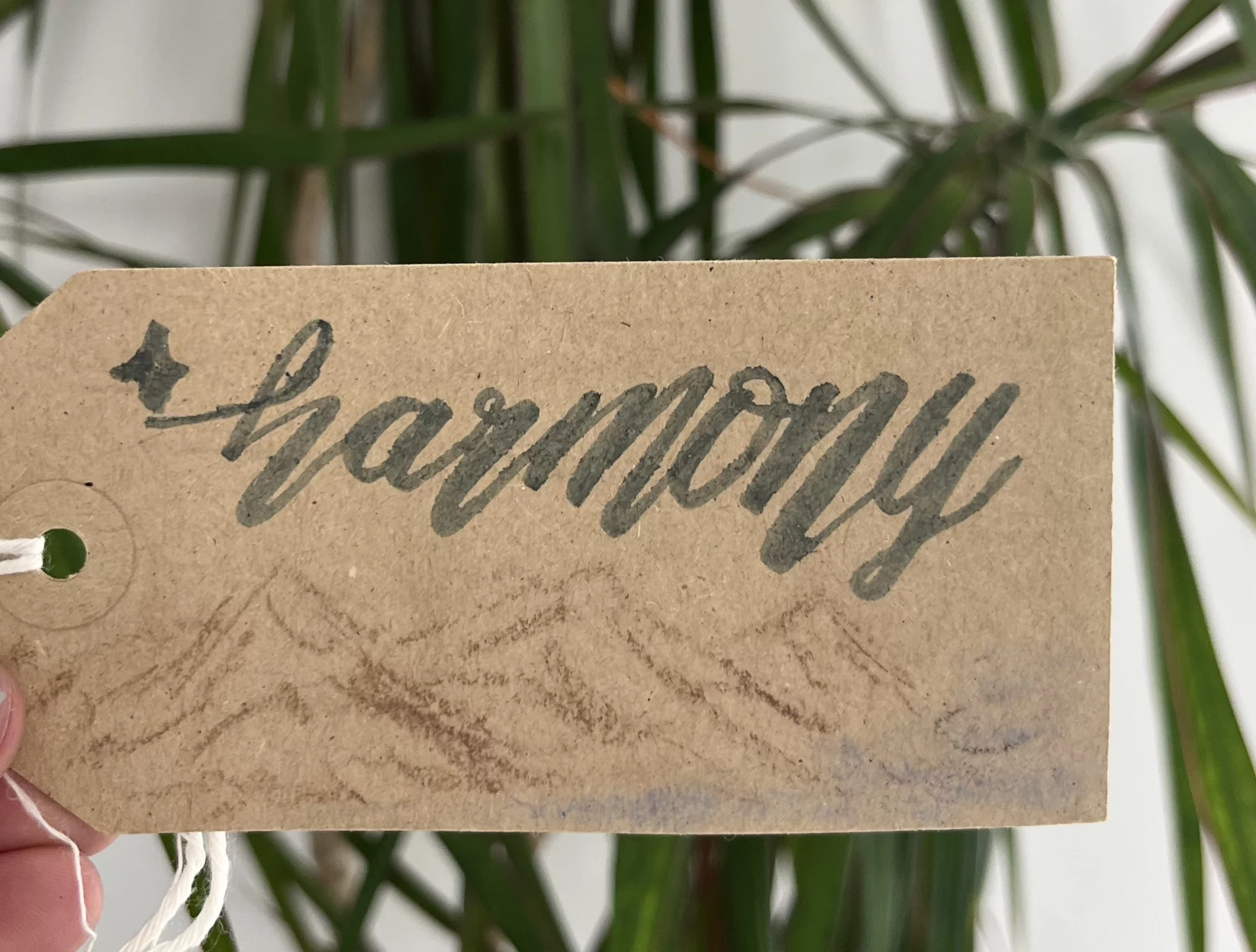
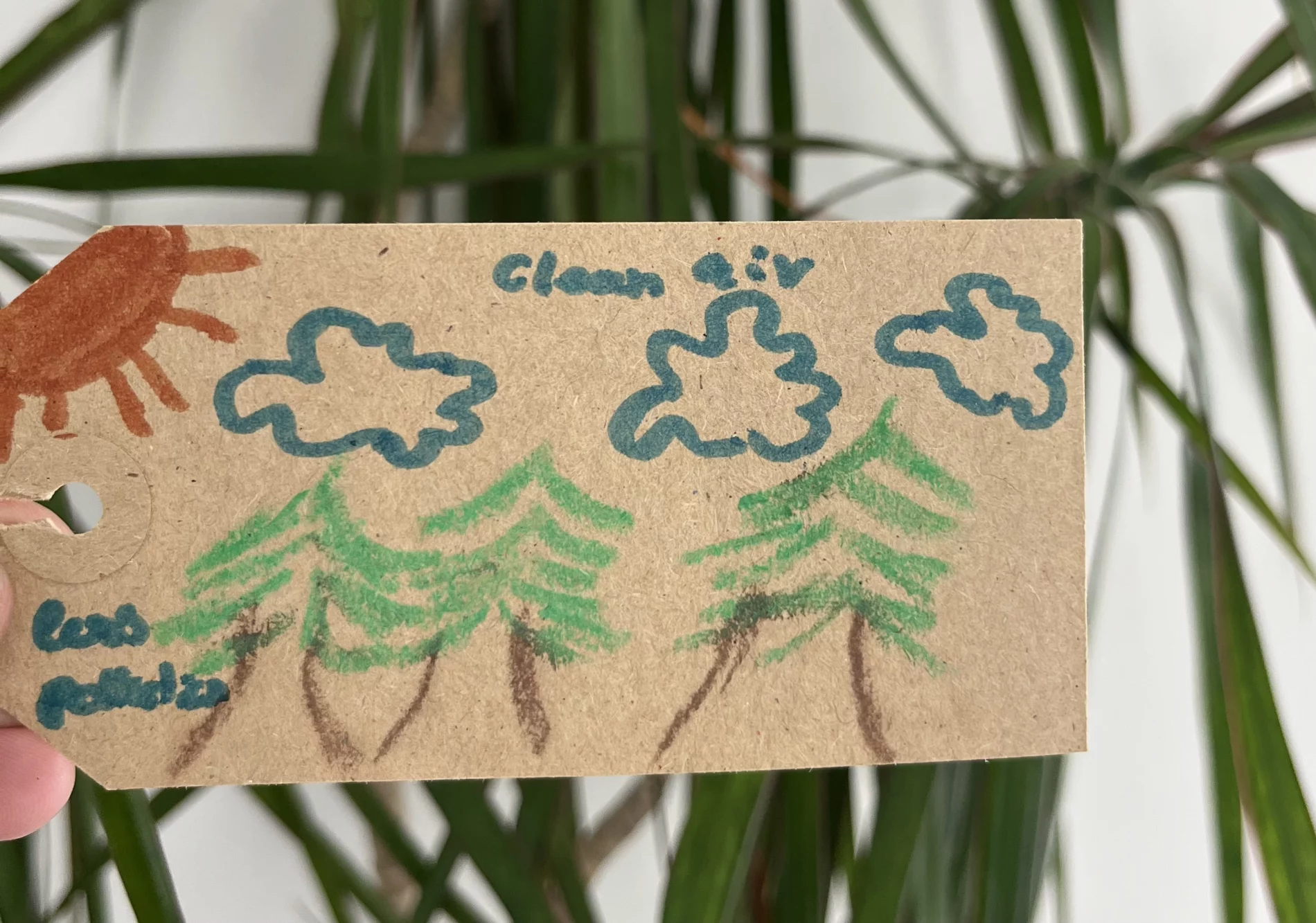
The DIRECTED project sought to use art as a form of civic agency: a means of shaping dialogue, strengthening belonging, and rehearsing new relationships between people, place, and climate. With this as an aim, DIRECTED partners created a dedicated “climate village” at the festival to provide an interactive setting for young people to learn more about and offer their own observations about climate risks. The village featured a large, three-dimensional map of the Balaton region. Participants were invited to think about and share their experiences of severe weather risks by using the map. For example, participants used watercolours and a spray bottle to simulate heavy rainfall events and to see where the water flowed.
They were asked to consider a series of questions about the impacts, who was affected, why these impacts occurred, and whether there were any long-term consequences. Participants were then invited to write down their visions for the future, and outline actions that should be taken to create a climate-resilient future. What would the future they image look like? What would be different?
My parents took over our family vineyard from my grandparents, and I hope to do the same. However, for me it is very different compared to my parents. Here is a wine region, but we don't know if it will be one in the future ... No one really knows what it will look like in the future. (Climate change) has a major impact on crop production, raising difficult questions about how to farm sustainably without relying on chemicals. There are still no clear solutions ... and avoiding chemical use only adds to the challenge.
Eszter Kiss, young resident of Keszthely
Photo: Natascha Ng / SEI
Photo: Natascha Ng / SEI
Written messages collected at the festival from young people through the exercise gave a glimpse of the climate and environment concerns on their minds: “I hope there will be enough drinking water for everyone, and the ice caps don’t melt.” “I wish for it not to be so hot in the summer.” “Talk more about the environment at school and home.”
Among the more than 60 contributions of future visions, one theme emerged: care. The contributions called for better stewardship of the planet and its resources; greater respect for all life, not just human lives; and a willingness to learn from past mistakes.
Young people expressed a desire for better education about climate change-related issues and for more opportunities for action – such as through youth climate clubs.
In their submissions, young people demonstrated a strong commitment to everyday sustainable actions, such as reducing waste and making environmentally conscious choices – with less of a focus on adapting to climate change and adopting long-term resilience measures.
You learn with your heart, which art can touch … Now my heart is really full of hope that we will have another government that is more open to environmental policy and climate resilience.
Dr Gergely Tóth, mayor of Keszthely
Photo: Natascha Ng / SEI
Photo: Natascha Ng / SEI
Research with Hungarian youth indicates that a growing number now perceive climate change as an existential threat rather than a long-term environmental risk. This evolving awareness also highlights an often-overlooked dimension, the connection between climate anxiety and mental health, and the importance for young people to find ways to find a sense of agency on climate-related issues. Their views echo concerns that surfaced in a landmark 2022 report, “Charting a Youth Vision for a Just and Sustainable Future” – written by and for young people to mark the 50th anniversary of the 1972 Stockholm Declaration that emerged from the first global conference focusing on the environment.
In the recent national elections, the mobilization of young voters is believed to have contributed to change that many in Hungary might not have believed possible. Their input through the arts at the festival signals their imagination and their desire for a different future. SEI and DIRECTED partners will bring their views together in a youth statement that is to be presented to local authorities for ongoing discussions about how to help make the region more resilient to the impacts of climate change. At this critical time of political and environmental change, plans for the future are being set. Young Hungarians have a new opportunity to redefine Hungary’s role in EU climate and energy policy and rectify the inaction and obstructions of the past.
Lake Balaton. Photo: Natascha Ng / SEI
Project / The EU Horizon project DIRECTED aims to improve the governance and management of climate disasters across multiple civil society and emergency agencies.
Media advisory / Experts from SEI will be at CBD COP17 in Yerevan from 19–30 October and are available for commentary and analysis.
Journal article / Quantitative measures combined with free-text boxes in surveys can provide rich insights into the impact of citizen science activities on participants.
Journal article / By observing participatory policymaking activities, researchers found that frames and emotions are mutually co-constitutive.