The fate of global sustainability rests not only with megacities, but also with intermediate-sized cities that are rapidly expanding. SEI experts, Santiago Jaramillo, Jenniffer Pedraza, Efraím Hernández and Elisa Arond, argue that these largely forgotten hubs have the potential to be drivers of sustainable, equitable and inclusive futures – but only by investing now.
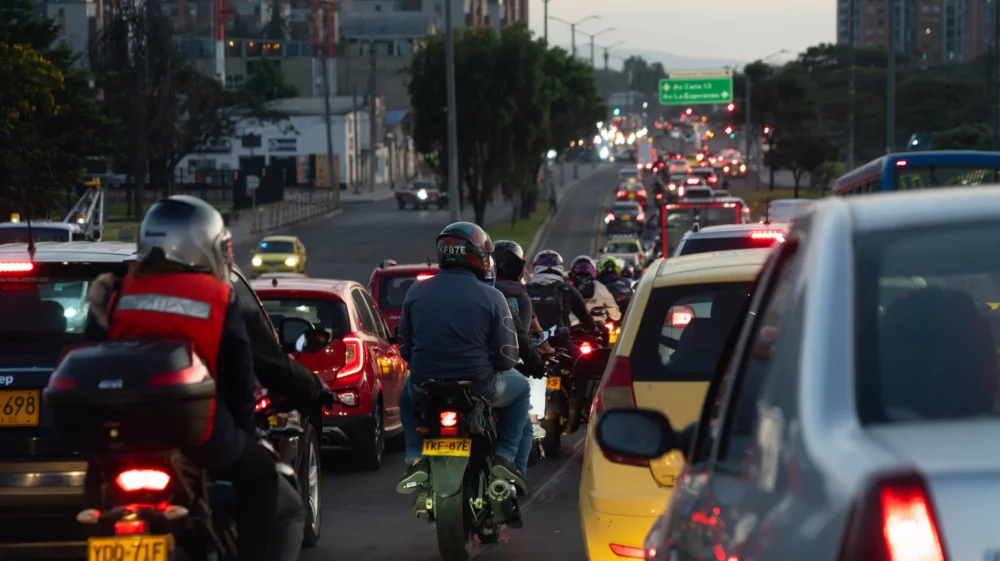
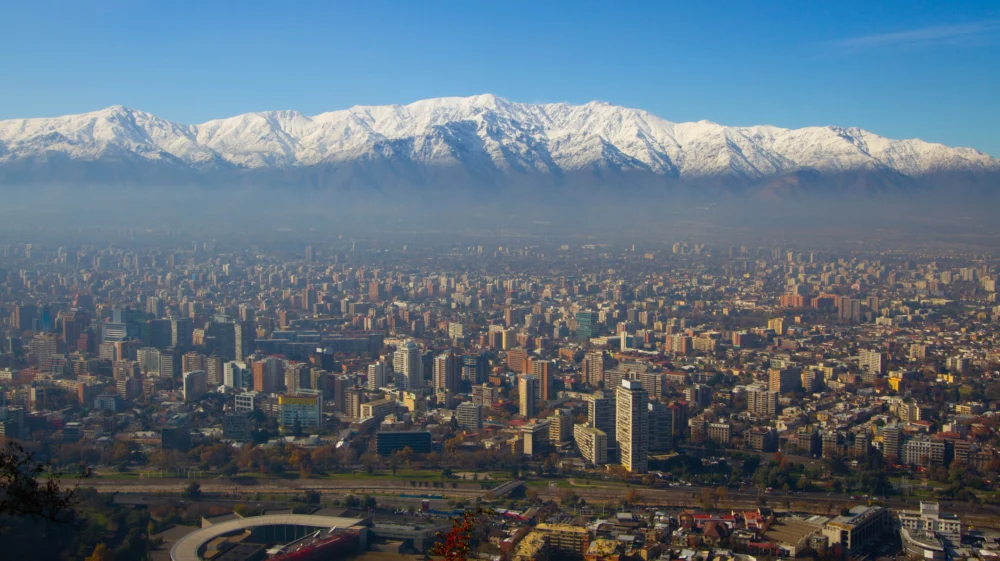
The fate of global climate action will be decided not only in sprawling megacities like Tokyo or New York, but also by smaller cities, which have been largely overlooked. The success or failure of climate action will be determined to a great degree by these smaller, intermediate-sized cities – settings capable of generating transformations with both local and global reach. This is especially relevant in regions such as Asia, Latin America and Africa, where accelerated urbanization concentrates many of the principal environmental and social challenges: climate vulnerability, air pollution and persistent inequalities.
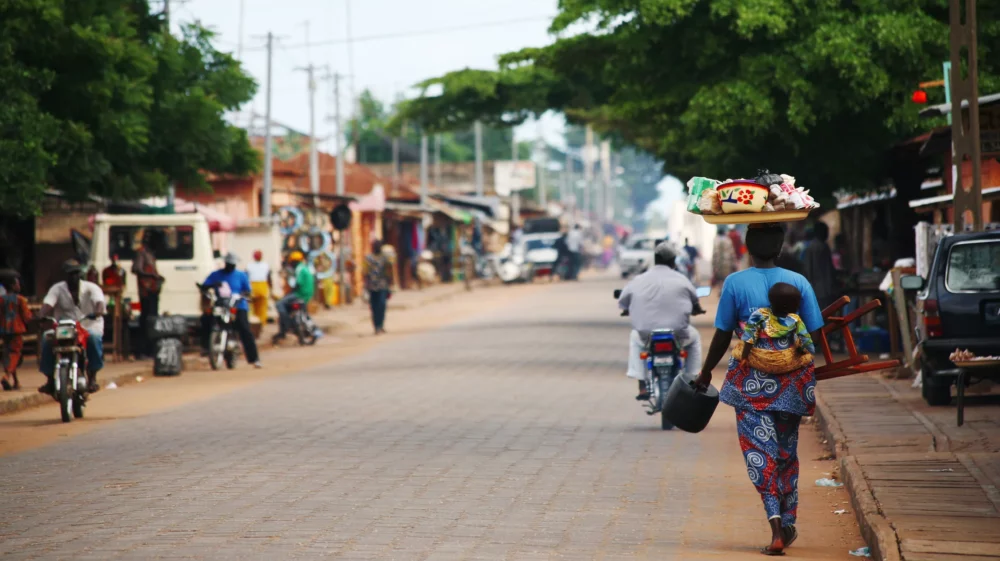
Currently, much of the policy, cooperation, and research towards climate and environmental action in cities tends to focus on large metropolises and megacities. This has left out small and intermediate-sized cities, which are home to the largest fraction of the urban population and are experiencing accelerated growth, particularly in Africa and Asia.
This is a profound policy mistake. The growth and consolidation of these intermediate hubs will shape the world’s habitat, climate, and environmental health for the next century. By shifting the focus and strategically investing in transforming these smaller cities, these urban areas can be a catalyst for a healthier, fairer and more sustainable future.
Intermediate cities are considered to be those with between 50,000 and 1 million inhabitants, according to definitions by the UN Human Settlements Programme and the Organisation for Economic Co-operation and Development Beyond their population size, these cities can be understood as intermediary centres that manage flows of resources, people, and knowledge, acting as transitions between rural and urban spaces. They are large enough to sustain economic dynamism while maintaining close links with surrounding rural areas.
These cities face greater limitations in institutional, technical and financial resources compared to larger metropolises, constraining their ability to act effectively in the face of the rapid changes they are experiencing, especially in low- and middle-income countries. This increases the risk that their rapid growth will repeat negative urban patterns of past decades and lead to millions of families inhabiting poorly planned, polluted, carbon-intensive environments, in conflict with nature and poorly adapted to climate change.
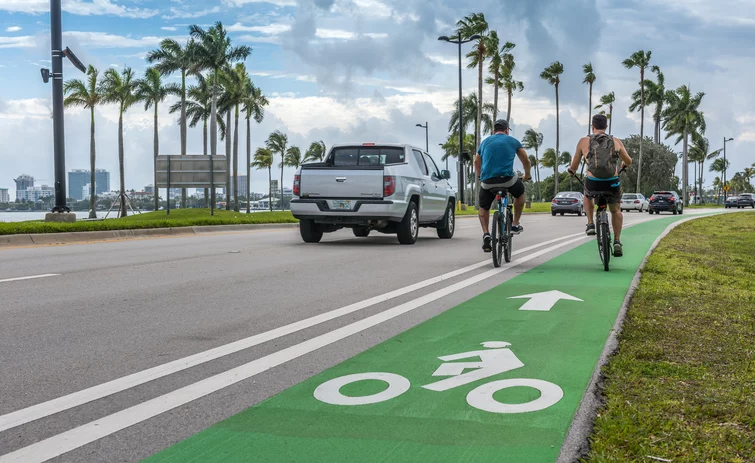
Intermediate cities in regions such as Latin America, Asia and Africa are experiencing rapid population growth and urban space consolidation. There exists a window of opportunity for proactive urban transport planning to build cities that are more inclusive and better connected, using low-carbon habitat models.
Among the most promising interventions are:
These measures deliver immediate, multiple benefits: cleaner air, better thermal regulation and water management, more physical activity, and greater social cohesion. But they only succeed if they are designed and implemented with environmental justice, a gender focus, and community participation at the core.
The smaller population and more manageable scale of intermediate cities mean that interventions in these locations can be more effective. The roles of national governments, development banks, cooperation agencies, and academia are key to promoting the mobilization of financial and technical resources to seize this urgent opportunity for action.
To advance towards more sustainable urban models, intermediate cities need interventions designed according to their local conditions. Recognizing that climate action and habitat management materialize at the local level, we present some examples that can serve as a starting point:
This type of methodology is adaptable according to the quantity and quality of available information and can be applied in intermediate cities. As smaller cities begin to generate, collect, and systematize their information better, it will be easier to implement policies that are specifically tailored to their unique local context, moving beyond one-size-fits-all solutions.
These initiatives show that, when diverse actors are integrated and the realities of each territory are recognized, intermediate cities can contribute significantly to the global challenges of climate and air quality. In doing so, these cities can generate social and economic benefits and help shape the future urban lifestyles of millions of families.
Project / This project models transport impacts to help mid-sized Latin American cities make cleaner, healthier urban planning decisions.
Project / SEI and CCAC support Brazil's Ministry of Environment and Climate Change in developing a National Plan on SLCP to combat climate change and air pollution.
Project / This project uses mathematical modelling tools and techniques to enable local stakeholders to make equitable transportation planning decisions.
Perspective / Collective action is needed to improve air quality in Latin American and the Caribbean. This perspective highlights trends and priorities for the region.
One-SEI program / SEI advances fair, inclusive, and low-emission transport solutions worldwide, bridging global insights with local action for a just mobility transition.
Feature / SEI and Bogotá’s environment agency are collaborating on an approach to reduce black carbon.