Tropical fruits play a key role in nutrition and food security and are especially affected by a lack of access to protection tools, driving growers to off-label pesticide use. Integrated pest management (IPM) – combining biological, cultural, physical, and chemical tools to minimize economic, health, and environmental risks – could offer a sustainable way forward.
The theme of this year’s International Day of Plant Health – Plant Biosecurity for Food Security and Nutrition – couldn’t be more relevant to tropical fruits. SIANI Tropical Fruits Liaison expert group, led by Minor Use Foundation, call for policy action for better regulation, farmer awareness and data sharing to protect plants and livelihoods.
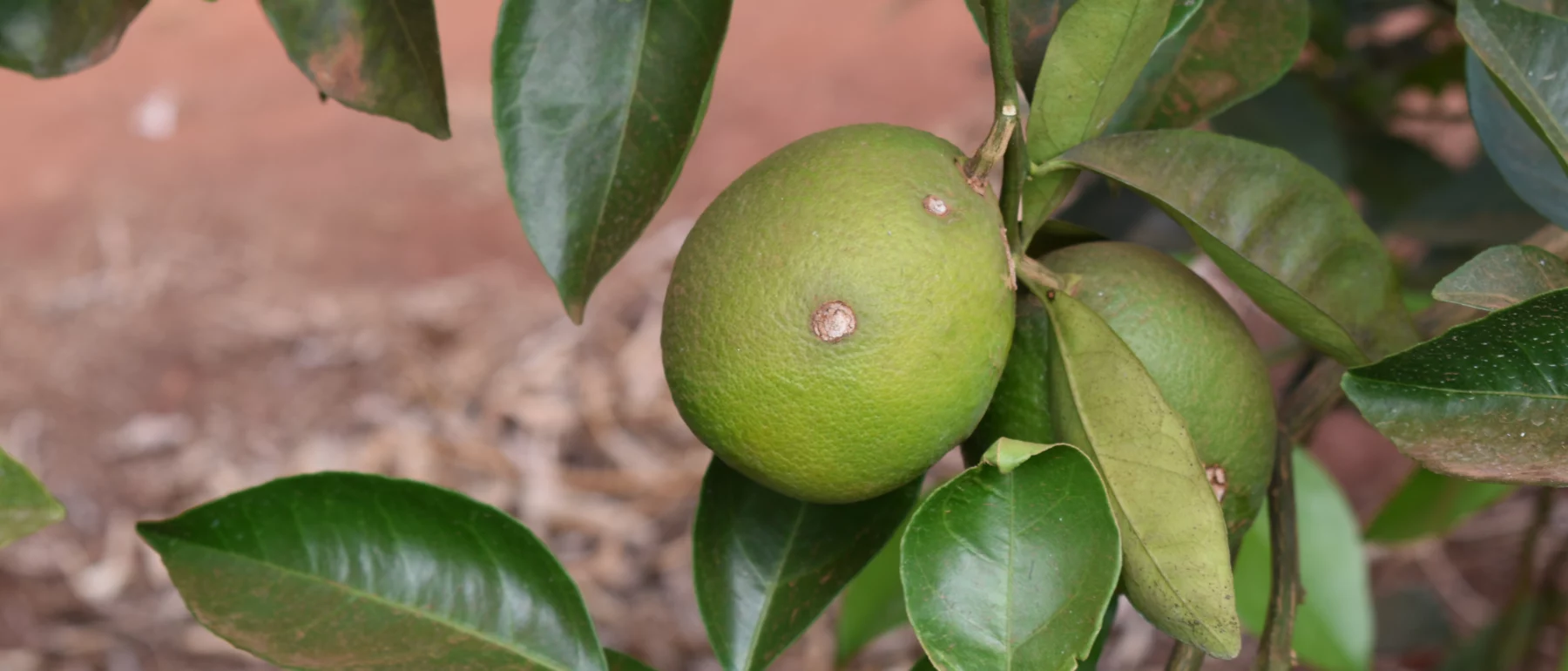
Farmers face growing pressure from pests and diseases made worse by climate change and monoculture practices. Warmer temperatures and changing rainfall patterns are allowing many of these pests to spread faster, produce more generations per season, and expand into new areas. The reduced yields affect smallholders’ livelihoods, food security and food safety.
To make matters worse, tropical fruit growers in particular have limited access to safe and effective crop protection tools. This is due to many tropical fruits being considered “minor crops” in regulatory systems.
Many countries lack crop-specific Good Agricultural Practices (GAPs), data on minimum residue levels (MRLs) of pesticides that are legally allowed in or on fruits and clear registration pathways for non-chemical protection measures for tropical fruits. Regulatory systems are often slow or under-resourced, and struggle to evaluate newer technologies such as biopesticides (naturally derived pesticides from animals, plants and microorganisms), pheromone-based tools (scents that disrupt pest proliferation without affecting the plants themselves), and AI-supported diagnostics.
As a result, there are often few or no registered pesticides, biopesticides, or biological control agents available for specific fruit + pest / disease combinations. Farmers are frequently left with no choice but to use products off-label or without clear guidance. This increases the risk of unsafe pesticide use that could harm human health, the environment, food safety and farmer incomes in cases of maximum residue level exceedances and rejected exports.
Integrated pest management could offer a sustainable way forward. Defined by FAO as a decision-making process that combines biological, cultural, physical, and chemical tools, IPM aims to keep pests below damaging levels while protecting human health, the environment, and biodiversity.
IPM emphasizes prevention, monitoring, correct identification, and the use of low-risk and residue compatible tools wherever possible. When properly implemented, IPM can reduce unnecessary pesticide use, protect beneficial organisms, and improve compliance with food safety standards while maintaining yields and fruit quality.
Coordinated policy action is needed for IPM to be efficient and widely adopted. Key priorities include:
Stronger, more inclusive IPM policies can help tropical fruit systems become more resilient, productive, and safe. By aligning regulation with innovation, governments and partners can reduce reliance on off-label pesticide use, protect people’s health, and support sustainable market access for growers.
For detailed analysis, evidence, and specific recommendations for governments, regulators, industry, and development partners, download the full paper.
A version of this story first appeared on the Minor Use Foundation website on 24 April and is reproduced here with permission.
Project / The Swedish International Agricultural Network Initiative – SIANI – is a global network that supports and promotes dialogue and action around food systems.
Journal article / "Breathing well" is about more than air quality: cleanliness, population and building density and the presence of vegetation all make a difference.
Press release / New data from Trase reveals that the majority of the coffee imported globally comes from companies that supply the European market.
Feature / SEI collaborated with Sustainable Food Systems Ireland to develop the Malawi Food Systems Transformation Tool using the SDG Synergies platform.