Access to clean and reliable water remains a defining challenge in Kenya’s arid and semi-arid lands (ASALs), where scarcity fuels conflict, disrupts livelihoods, and undermines public health. This perspective highlights findings from the IMARA program, which demonstrates how community-managed water systems can build resilience and peace in fragile ecosystems.
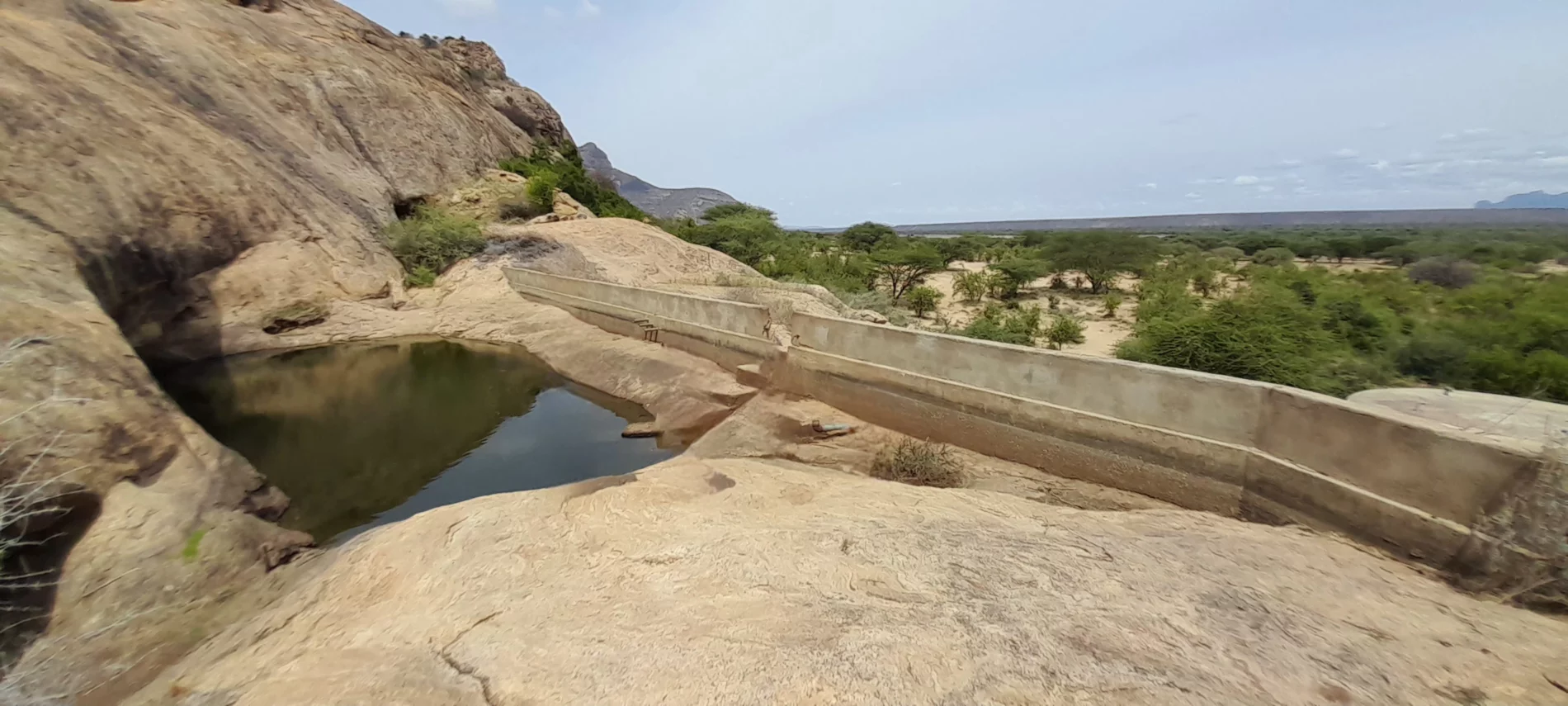
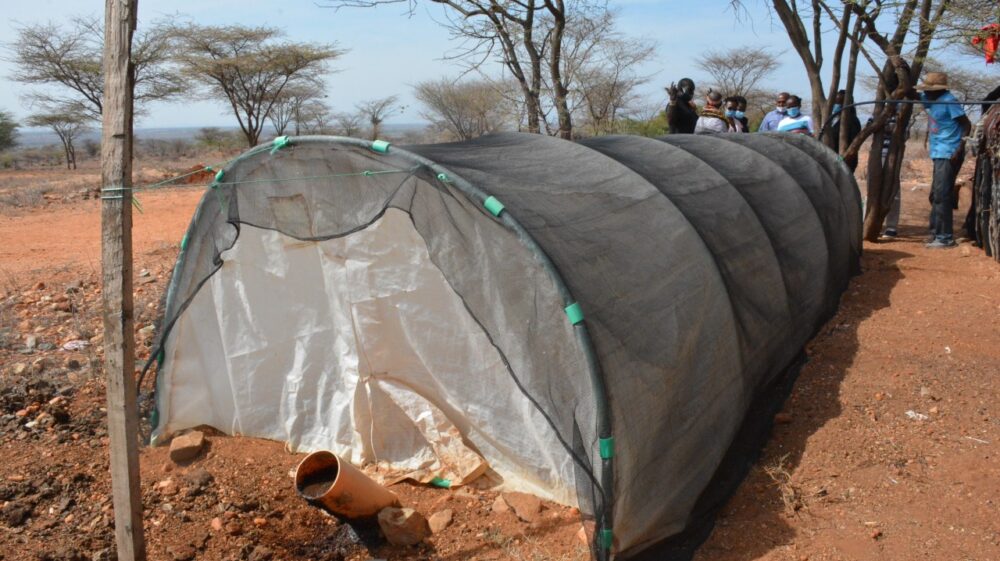
Rock catchment constructed as part of the IMARA programme, Harugura, Marsabit, Kenya
Photo: SEI
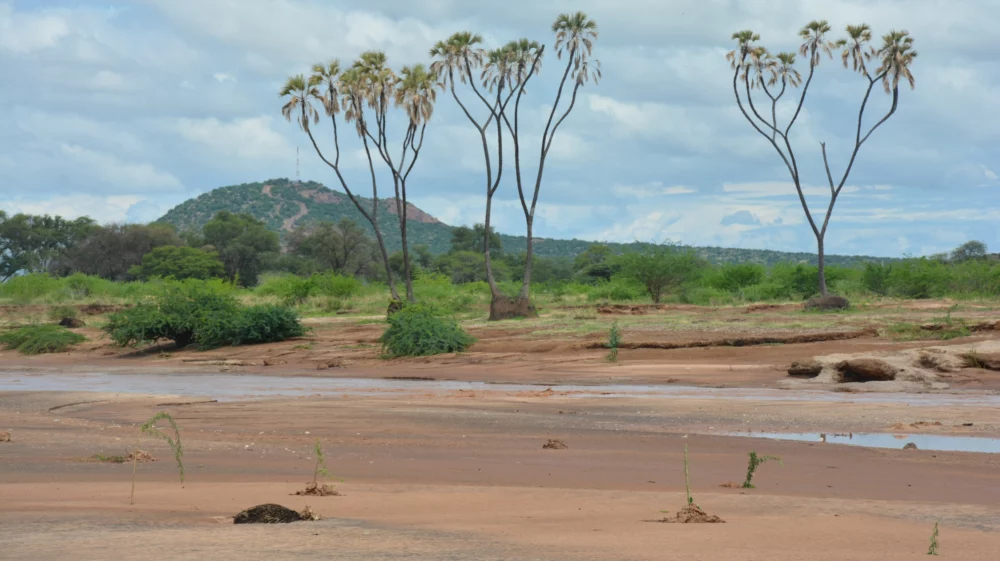
Nearly 80% of Kenya consists of arid and semi-arid lands, where rainfall is unpredictable, rivers dry quickly, and most wells provide only saline water. Pastoralists often travel long distances for water, sometimes without success. During dry months, competition for water increases, leading to conflict, school disruptions and public health challenges.
Our findings from the Integrated Management of Natural Resources for Resilience in the ASALs (IMARA) program demonstrate that innovative community water solutions can reduce risks during times of stress.
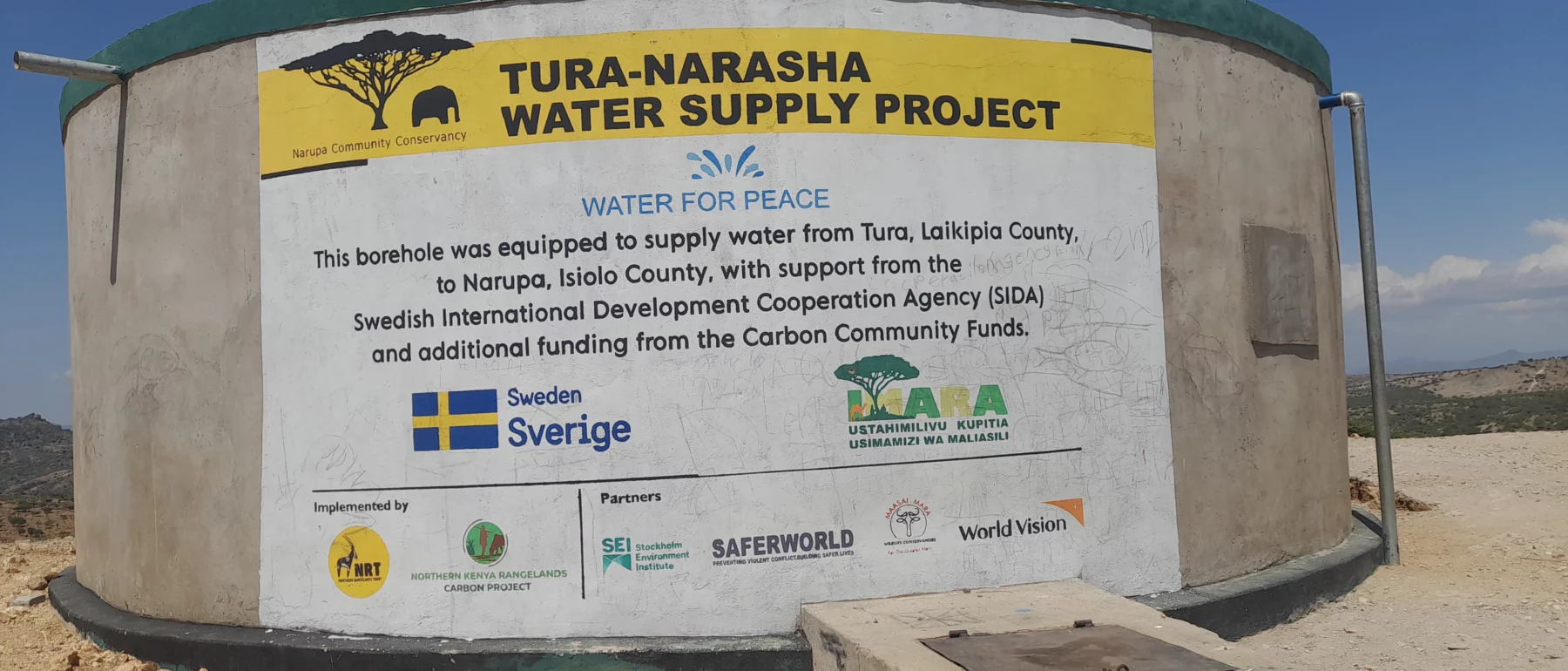
Led by World Vision in collaboration with the Stockholm Environment Institute (SEI), Northern Rangelands Trust (NRT) and SaferWorld and the Maasai Mara Wildlife Conservancies Association (MMWCA), the IMARA program introduced community-managed water systems such as solar-powered boreholes, dams and rock catchments. These solutions have strengthened resilience and livelihoods in Kenya’s arid and semi-arid lands (ASALs). These systems retain moisture in the landscape, recharge aquifers, and support vegetation growth, thereby easing pressure on fragile ecosystems.
Historically, water scarcity has led to inter-community conflict and displacement. Shared water infrastructure, managed by peace committees and water user associations, now provides platforms for negotiation and cooperation.
Community members report that these systems have reduced tensions, improved co-existence between pastoralists and farmers, and built trust among different ethnic groups.
We used to fight over water. Our animals would scramble for water and people and people got hurt. Since the borehole was installed, we formed a peace committee, and things changed. Now, we meet, plan, share, and allocate water resources. Water brought us together – Fatuma (pseudonym), a resident in Narasha, Laikipia County
Water scarcity also contributed to insecurity in ASALs. Long journeys to water sources exposed women and children to wildlife, violence and conflict. Disputed water points became hotspots for livestock theft, and drought led to school closures and social unrest.
Improved water infrastructure has enhanced security in these areas. In Harugura village, Marsabit county, a guarded rock catchment has increased safety for women and children. In Samburu and Laikipia counties, reliable boreholes have reduced livestock conflicts. Communities report fewer thefts and better coordination in water management, highlighting the value of effective infrastructure and inclusive governance.
The daily search for water disrupted socio-economic activities, affecting education and livelihoods. Many children missed school to help their families, and many women could not pursue income-generating activities.
Improved water access has reduced time spent fetching water, enabling greater participation in education, agriculture, and small businesses. School attendance has increased, and women can now run home-based enterprises.
In agriculture, better water access has expanded vegetable farming, livestock rearing, and trade, helping families sustain themselves and build resilience.
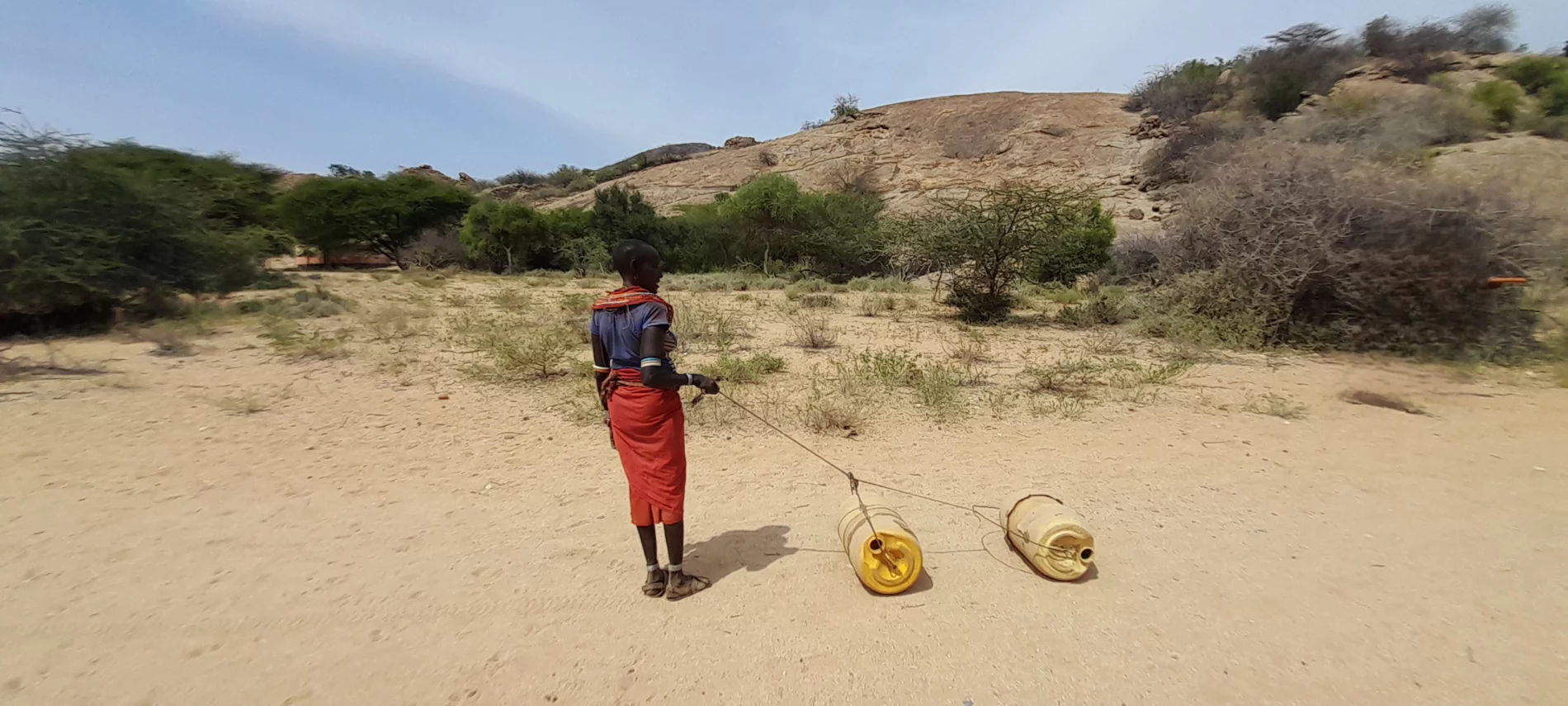
Before, we spent most of the day looking for water. We had to carry our children with us. Since they constructed the rock catchment, I have enough time to look after my children at home. I also grow vegetables behind my house. We eat better and sell extra. I am also selling beads, and my children can attend school. I don’t worry about water!
-Fariya (pseudonym), mother of four in Harugura, Marsabit County
Woman in Marsabit county going to fetch water at the rock catchment.
Photo: SEI
The absence of reliable water supplies also increased exposure to waterborne diseases such as cholera, dysentery, and typhoid. Basic hygiene practices such as bathing, cleaning, and handwashing were frequently compromised, particularly during dry seasons. Hassan (pseudonym), Tura Narasha, Laikipia County, shared:
Before the borehole, we used to fetch water from the roadside, which was contaminated by elephants and wild animals. It made us sick. Now we get clean water for cooking and drinking. The trips to the hospital have also reduced!
The current situation reflects not only technical improvement but also a significant public health impact. More reliable water supplies provide safety to communities and improve family health, with children experiencing fewer illnesses.
As IMARA phases out, the big question is what happens next. The water systems have made a difference, but their impact must be sustained beyond the program. We determined that sustainability depends not just on technical design, but also on trust, participation and local ownership. Community involvement in building and managing these systems can ensure stewardship and promote both transparency and accountability.
Project / The IMARA program aimed to increase the resilience of marginalized households to climate-change-related shocks.
Feature / SEI and partners helped to reduce risk to community-managed water systems to improve local people’s water security and economic opportunities.
Journal article / This paper analyses the informal and local water practices in India and Kenya through the concept of gridless water configurations (GWCs).
Past event / This workshop will validate the findings of a study that delves into the intricate realm of water resources management and river basin governance in Kenya