In October 2023, Gatsby Africa embarked on a significant initiative by commissioning a comprehensive study through SEI Africa. This study aims to delve into the intricate realm of Water Resources Management and River Basin Governance in Kenya, focusing on evaluating the existing landscape and identifying areas for improvement. The study seeks to uncover key gaps and challenges that hinder the sustainable management of water resources, in the face of rapid industrial and agricultural expansion.
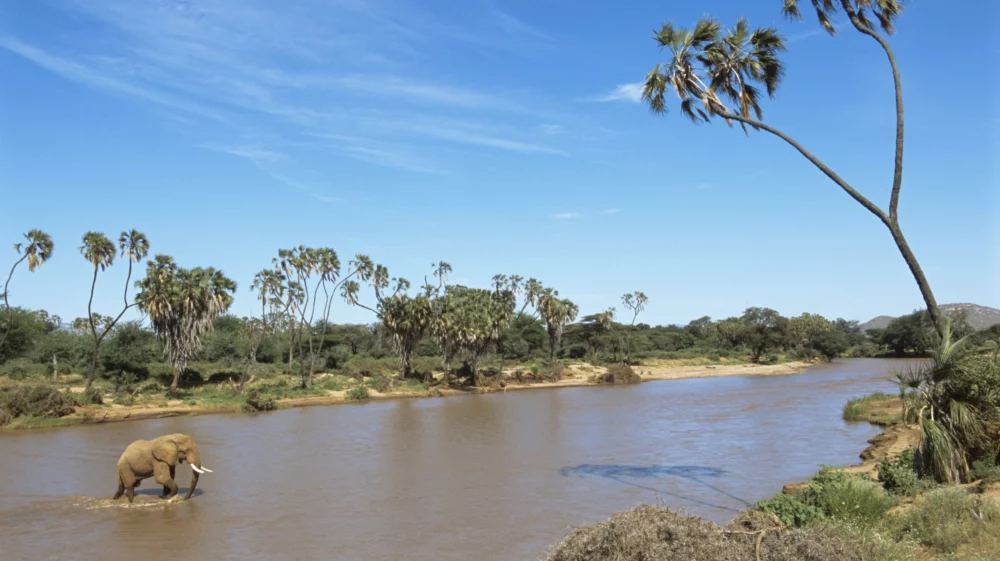
Ewaso Ng’iro river
Lawrence Nzuve/SEI
Access to clean water is a significant challenge for approximately 41% of the population in Kenya (Yu et al., 2019). Water scarcity often leads to conflicts as communities and counties compete for limited resources. As a water scarce country, approximately 85% of Kenya is arid or semi-arid land with about 33% of its water resources for drinking, agriculture, livestock, and fishing originating outside of the country (Winrock International et al., 2021). Frequent water shortages in the country are exacerbated by the alternating cycles of floods and droughts (figure 1) that are widely recognized as being the major causes of water scarcity, land degradation, reduced agricultural and energy production as well as ecosystem degradation (Winrock International et al., 2021).
These climate hazards are compounded by anthropogenic factors including rapid population growth, increasing urbanization, and industrialization, leading to rising water demand to water resources utilization ratio that is projected to exceed 100% in all five water basins in Kenya by 2030 (figure 2) (Kenya National Water Master Plan, 2030).
In October 2023, Gatsby Africa embarked on a significant initiative by commissioning a comprehensive
study through the Stockholm Environment Institute (SEI) Africa. This study aims to delve into the intricate realm of Water Resources Management and River Basin Governance in Kenya, focusing on evaluating the existing landscape and identifying areas for improvement.
With a specific emphasis on assessing the current state of water management practices in Kenya, the study seeks to uncover key gaps and challenges that hinder the sustainable management of water resources, especially in the face of rapid industrial and agricultural expansion. By shedding light on these critical issues, the study aims to provide valuable insights and suggest strategic interventions that can pave the way for more efficient and sustainable water resource management practices in the country.
The findings of this study will play a pivotal role in guiding decision-making processes at Gatsby Africa. Armed with a deeper understanding of the challenges and opportunities within Kenya’s water management sector, Gatsby Africa will be better equipped to design targeted interventions that aim to enhance water resource management practices in the country. Ultimately, this initiative is poised to have a transformative impact on various facets of Kenyan society. By advocating for more effective and sustainable water management practices, Gatsby Africa strives to create a ripple effect that benefits not only the people but also the economy and the environment of Kenya, ensuring a more resilient and prosperous future for all.
The objectives of this workshop are fourfold:
The following are key expected outcomes from the workshop:
This workshop is expected to bring together representatives from the Ministry of Water, Sanitation, and Irrigation, the Water Resources Authority, the Lake Victoria Basin Commission, the Nile Basin Initiative, the Water Resources Authority Basins Area Coordinators, Water Resources Users Associations, Water Works Development Agencies, Bulk Water Users, and the Water Sector Donor Working Group who are well placed to influence the implementation of the project’s findings.
| TIME | ACTIVITY |
| Session 1: Welcome and introduction | |
| 8:30-9:00 EAT | Registration of Participants |
| 9:00-9:15 EAT | Opening Remarks Speaker: Dr. Philip Osano |
| 9:15-9:30 EAT | Introduction to the Workshop Objectives and Outcomes Facilitator: Dr. Anderson Kehbila |
| 9:30-9:45 EAT | Keynote Address Speaker: Mr. Wario Bonaya |
| 9:45-10:00 EAT | Introduction of Participants Facilitator: Mr. Gordon Mumbo |
| 10:00-10:30 EAT | Group Photo and Tea/Coffee Break |
| Session II – Presentations and Breakout Sessions | |
| 10:30-11:00 EAT | Presentation of project results on Water Resources Management and River Basin Governance in Kenya Speakers: Dr. Alphayo Lutta Dr. Brian Joyce Ms. Doreen Salaza |
| 11:00-13:00 EAT | Breakout sessions per water resources management challenges. Based on the results of the presentation, group discussions will focus on (1) co-developing interventions to overcome the challenges and policy gaps identified by the study, (2) assessing stakeholders’ current and desired future capacities in implementing the interventions developed in (1) to identify capacity gaps and develop strategies to overcome identified gaps, (3) discuss the partnerships needed to facilitate the implementation of interventions.
Facilitator: Dr. Anderson Kehbila |
| 13:00-14:00 EAT | Lunch break |
| Session III – Plenary and Definition of Implementation Roadmap | |
| 14:00-15:00 EAT | Feedback from the breakout sessions to ensure an accurate representation of the realities on the ground to improve the usefulness of the report by ensuring consistency with interventions.Facilitator: Mr. Gordon Mumbo |
| 15:00-16:00 EAT | Discussion on a roadmap for the implementation of sustainable water resource management interventions at the basin level. Facilitator: Ms. Harriette Okal |
| 16:00-16:15 EAT | Closing remarks Speaker: Dr. Philip Osano |
| 16:15 – 17:00 EAT | Tea/Coffee and Departure |
Project / The project supports Kenya to promote EbA practices and integrated planning for water, energy, agriculture and land use in Ewaso Ng’iro North Catchment area.
Feature / SEI and partners helped to reduce risk to community-managed water systems to improve local people’s water security and economic opportunities.
Press release / Development is underway for a digital version of the Nature Tool, designed to assess nature-related risks and opportunities across agricultural sourcing.
Journal article / How interpersonal and public trust interact in participatory water management, based on four international cases and their implications for governance.