Electric mobility is key to reducing greenhouse gas emissions, improving air quality, and cutting dependence on fossil fuels. Yet the transition to electric mobility raises important questions about equitable access. Who stands to benefit and who could be left behind?
This article is cross-posted with permission from The Geographer (Autumn 2026 issue).
Global electric vehicle (EV) sales are growing and exceeded 17 million in 2024, accounting for over 20% of new car sales. By 2030, more than 40% of global car sales could be EVs. However, the pace and nature of this electric mobility transition differ greatly between regions.
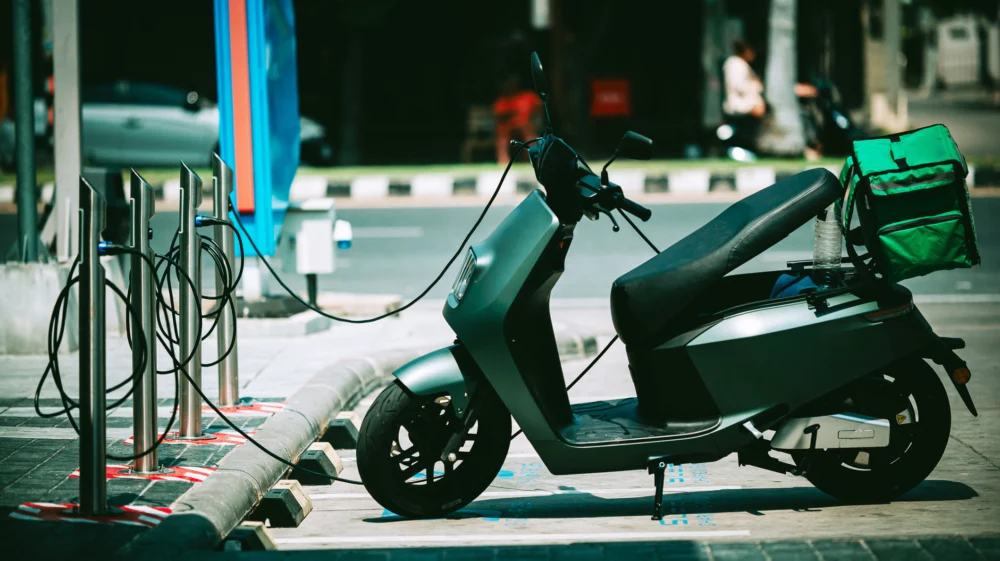
Asia is leading the global electric mobility transition, showing what rapid industrial policy can achieve. China dominates the global EV market, with over 11 million electric cars sold in 2024. Strong government support, expanding domestic manufacturing, and growing consumer demand mean countries such as India, Indonesia, Thailand, Vietnam, and the Philippines are strengthening policies to accelerate EV adoption. More affordable and practical electric mobility options in Asia are electric two- and three-wheelers rather than passenger cars. Regional cooperation is also strengthening supply chains, manufacturing capacity, and workforce skills.
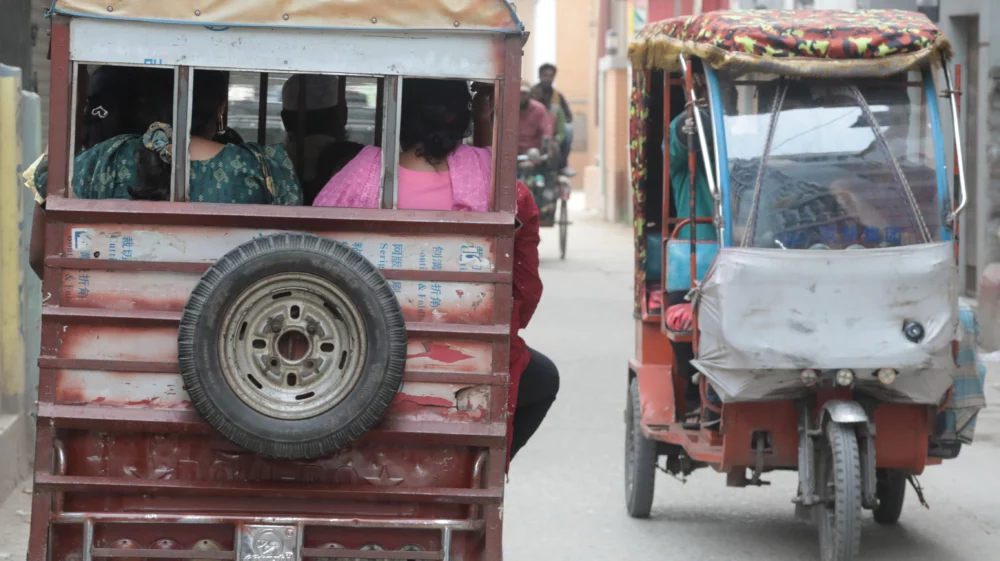
In contrast, Africa is at an early stage of electric mobility. Africa has around 15,000 electric cars and 25,000 electric two- and three-wheelers, each representing less than 1% of the vehicle fleet. Road transport dominates Africa’s transport system, with public, popular and informal transport playing a significant role. Since around one billion Africans walk or cycle every day, investment is needed in these modes together with electrification. Africa’s abundant renewable energy resources and critical mineral reserves also position the continent to play an important role in global EV supply chains.
Latin America’s electric bus fleet has expanded more than tenfold since 2017, illustrating how public transport can drive electrification. As public transport accounts for around 70% of trips across the region, cities such as Santiago, Bogotá and São Paulo now operate some of the world’s largest electric bus fleets. Bogotá’s La Rolita electric bus operator also shows how electrification can support more inclusive employment by increasing opportunities for female drivers. Despite these developments, high upfront vehicle costs remain a major barrier, while the electrification of popular transport and two- and three-wheelers require greater attention.
Although Europe is a mature market, it is still struggling with affordability. The region has made significant progress in electric mobility, supported by stronger regulations and financial incentives. Battery electric vehicles (BEVs) accounted for around 20% of new passenger car registrations in Europe at the start of 2026, while the European Union had one million public charging points. Even with this progress, affordability remains a key barrier, especially for low- income households. The lessons from Europe indicate that market growth by itself is not enough, and policies are required to boost access and encourage diverse, sustainable travel alternatives.
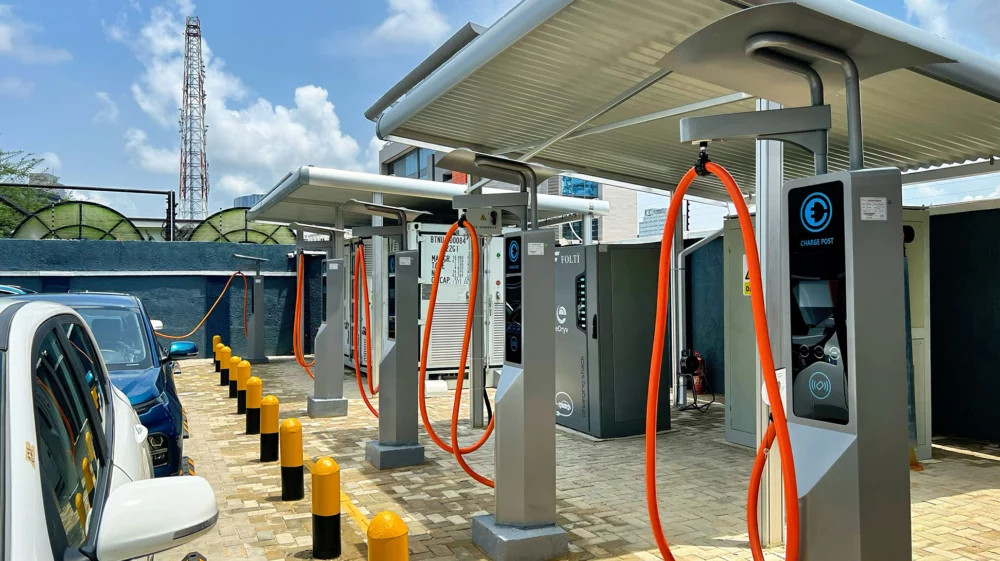
Despite decades of global climate commitments, around 95% of transport energy still comes from fossil fuels, with world governments spending around US$7 trillion annually on explicit and implicit fossil fuel subsidies. While the emissions benefits of EVs depend on how electricity is generated, they generally have lower running costs than petrol or diesel vehicles because of their higher energy efficiency, making them particularly valuable when fuel prices rise. However, high upfront purchase costs mean EVs remain out of reach for many households, while limited access to finance further constrains adoption. Inadequate charging infrastructure also limits the accessibility and widespread uptake of EVs. These challenges particularly impact low- and middle-income countries. Shortages of skilled workers to maintain and repair EVs, together with weak regulatory frameworks for public and informal transport, are additional barriers to electric mobility adoption. Meanwhile, inconsistent policy support, fragile supply chains, and poor integration between transport and energy systems further impede progress and risk widening existing inequalities.
The transition to electric mobility is essential for decarbonising the road transport sector, but it must be equitable and benefit all, not only those who can afford new technology. A just transition therefore requires mobility and accessibility for everyone, which means investment in public transport, walking and cycling, together with reform of fossil fuel subsidies to redirect funding towards sustainable mobility. Stronger regional cooperation can reduce costs through harmonised standards and joint procurement, while inclusive policies should support local manufacturing, workforce development, and the formalisation of informal transport. However, the real measure of success is not how quickly vehicles become electric, but whether the transition delivers cleaner, fairer and more accessible mobility for all.
This article is based on the SEI Sustainable Transport webinar; Electric mobility and climate justice: who gets left behind? held during London Climate Action Week on 24 June 2026. The author thanks the panellists and participants for their contributions. Watch the recording below.
Find out more about SEI Sustainable Transport programme here.
One-SEI program / SEI advances fair, inclusive, and low-emission transport solutions worldwide, bridging global insights with local action for a just mobility transition.
Journal article / The study defines “charging poverty” and proposes a framework to assess unequal access to reliable, affordable and inclusive electric vehicle charging.
SEI report / A six-step roadmap for transport businesses in Nigeria to cut their emissions – and at the same time improve their operations and finances.
SEI report / Coordinated regional and global responses can ensure that electrification supports a just transition, with regard to e-waste and battery recycling.