part of Citizen Science
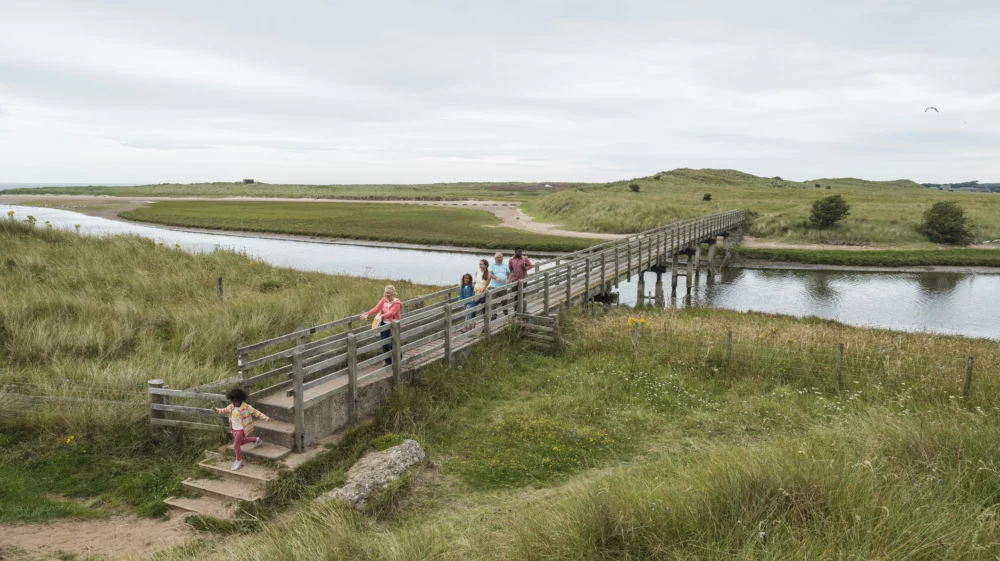
Yorkshire’s rivers and lakes are polluted with a cocktail of human-generated chemicals and microbial contaminants. Of the 982 regional water bodies, none achieved a high ecological or chemical status in their last assessment. These are places valued for their biodiversity and benefits to public health and used for a variety of sports and recreational activities. However, increasing pollution is affecting ecological health and hindering public use, jeopardizing both biodiversity and the positive benefits these environments foster in our communities.
Recent reductions in funding for Environment Agency monitoring have exacerbated these problems. Amid growing public dissatisfaction, there is now an urgent need for innovative approaches to environmental monitoring and management. AQuA has been designed to address this issue.
AQuA aims to create an inclusive and diverse community of practice to monitor water quality in Yorkshire’s rivers and lakes. The project is co-led by local communities and scientists and we will invite over 1,700 members of the public to take part. The data collected will inform action to improve the health of waterways and we’re working with key stakeholders to understand the effectiveness of intervention.
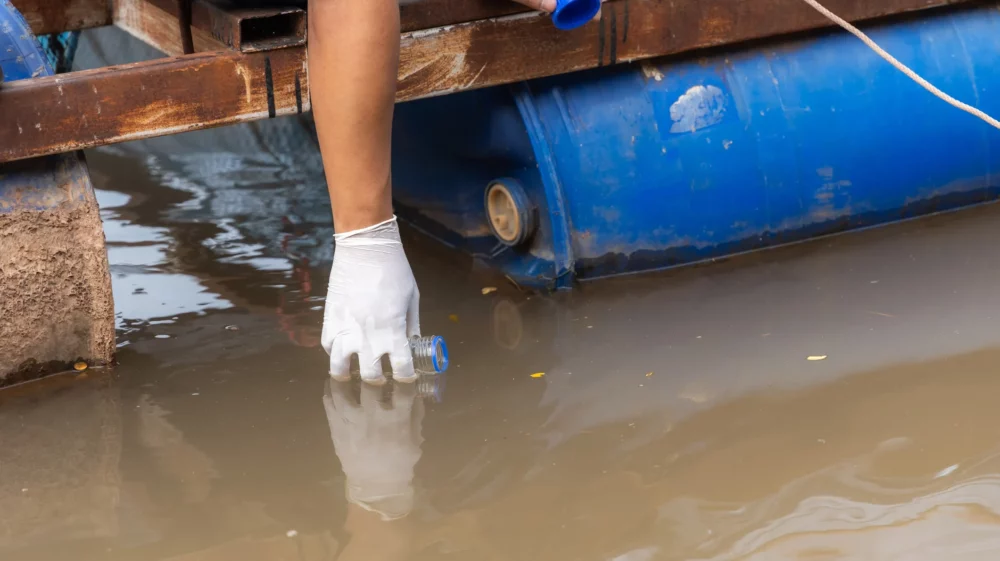
We are co-producing novel techniques to enable citizen scientists to monitor aspects of water quality beyond traditional measurements such as phosphate, nitrate, and pH. Instead, the project will focus on priority micropollutants such as pharmaceuticals and bacterial species. We plan to develop a harmonised citizen science toolkit that underpins data generation across nine Yorkshire water bodies. In developing this toolkit and modelling its use, we aim to demonstrate the quality and reliability of citizen science data to end users, increasing their trust in it and use of it.
We are also developing novel methods and messaging to recruit and retain a diverse group of Yorkshire residents, including communities traditionally underrepresented in citizen science.
Workshop with local community at Bedern Hall, York, during the bursary phase of the project.
Photo: John Wilkinson
Ultimately we hope to:
AQuA is designed to answer six questions which were co-prioritized with community groups during the project’s bursary stage:
To answer these questions, we have developed six work packages. SEI York is leading two of these (marked bold below), building on our extensive experience in researching and conducting inclusive citizen science.
An additional research question co-prioritized with community groups is ‘Are Yorkshire’s rivers and lakes safe to play in’. We will work with local sports and recreation groups to help answer that.
AQuA work packages and research questions
Infographic: AQuA project
Working with local groups, we will look at nine case study water bodies:

AQuA case study sites Image: AQuA project
We’ve now launched the AQuA website and AQuA LinkedIn page.
To stay up to date with the project you can follow us on LinkedIn or use the AQuA contact form to sign up for email updates.
On 26 April we held the project kick off meeting. Team members and members of many of our partner organizations gathered to hear about regional water pollution and how we plan to use citizen science to help solve Yorkshire’s aquatic pollution problems.
Read a summary of the meeting.
Read the press release about the project’s aims, plans and partners.
Press release / SEI will help lead research to monitor and tackle pollution in Yorkshire's rivers and lakes, announced this press release from the University of York.
AQuA is a partnership including over 20 public, academic, government, charity, and business groups comprising over 1700 members of the public.
The project is led by the University of York in collaboration with SEI, the University of Leeds, the Environment Agency and Rivers Trust. The project lead is John Wilkinson, Lecturer in Environmental Science at the University of York.
Project Partners include: Bradford Amateur Rowing Club, The River Foss Society, Friends of Gledhow Valley Woods, Yorkshire Water, Nidd Action Group, Ryedale Environmental Group, Yorkshire Wildlife Trust, Aire Rivers Trust, Bioventix, City of York Council, Friends of Roundhay Park, North Yorkshire County Council, Pickering Fishery Association, River Holme Connections, Roundhay Environmental Action Project, St Nicks, Seven Angling Club, York Postal Harriers Runners Club, Yorkshire Dales Rivers Trust and Furaha Asani.
Funding is provided by the Natural Environment Research Council (NERC)'s Engaged Environmental Science programme.

Journal article / This paper shares learnings from a discussion on co-creation practices across Europe, which we led at the 2024 European Citizen Science Association conference.
Feature / In this Q&A, Rachel Pateman, a Research Fellow at SEI York, discusses the importance of inclusivity in volunteer biological recording.
Past event / In this CHILI seminar, Smriti Safaya presents findings from a scoping review of educational, behavioural, and communication interventions to improve school air.