Skip navigation
A severe thunderstorm shelf cloud races across the countryside on a summer afternoon.
Project

Extreme weather and food security: effects, measures and solutions

The Formas supported Extreme weather project aims to build resilience in the global food system by exploring trade and environmental connections between distant global geographies. Researchers will investigate effects, measures and solutions for long-term sustainable and resilient societies in Sweden and abroad.

Active project

2024–2026

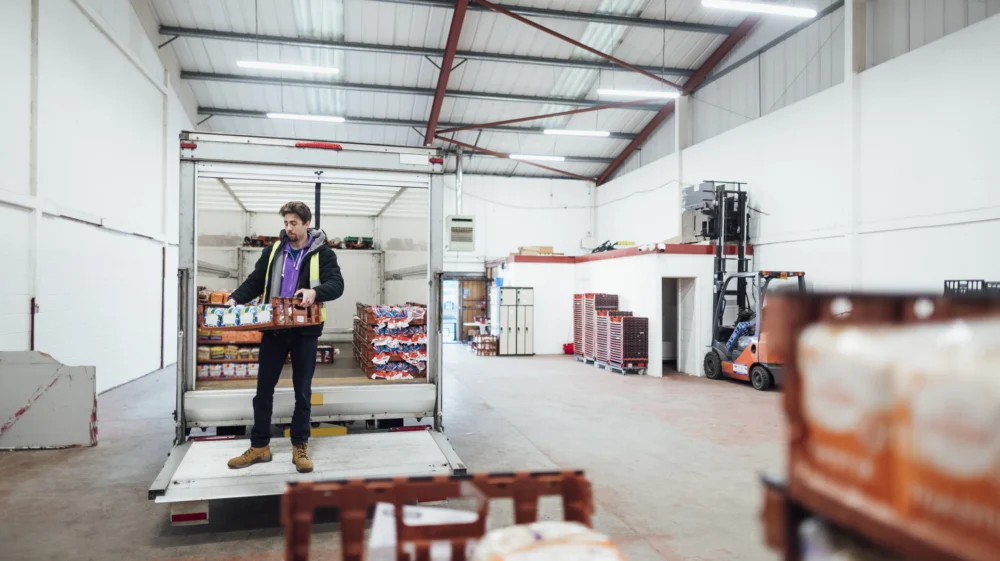
Global supply chains are essential for ensuring societal access to products and resources, such as food. Through efficient logistics and interconnected markets, they enable the rapid diffusion of sustainable practices across sectors and regions and support the shift toward a green economy. However, traditional risk management strategies often fail to capture the full range of potential supply chain impacts.

The intricate web of supply chain dependencies and interactions are often not fully seen by policymakers. This can lead to reactive, piecemeal or even counterproductive responses which fail to address the root causes of disruptions and can exacerbate supply chain instability.

The project will provide accessible, comprehensive and actionable information on extreme weather risk and adaptation strategies. Ultimately aiming to activate and support key stakeholders to manage disruption to food supply chains and resulting stocks in an increasingly unpredictable world.

The Extreme weather project seeks to fill knowledge gaps by addressing four research questions:

  1. What are the effects of extreme events on food supply chains and future risks of disruption to global supply chains, including for Sweden and its key trading partners?
  2. What have been historical policy responses to extreme weather events and how are they relevant for mitigating effects on food supply chains?
  3. What are future options for managing effects on extreme events on food supply chains?
  4. What are the roles and responsibilities of supply chain actors in delivering effective governance options in Sweden and abroad?

The project will deliver an open database quantifying the effects of extreme events on food supply chains, a synthesis of historical and future policy responses, identification of actors’ roles and responsibilities and a range of visualization products. Through these outputs, the project will yield effective and just policy recommendations for strengthening food security in Sweden and majorly affected countries in the face of extreme weather events.

Partners

A unique partnership of scientific centres of excellence and peers are collaborating on the project:

Funder

The project is funded by Formas, a Swedish research council for sustainable development.

SEI team

Johanna Hedlund
Johanna Hedlund

Senior Research Fellow, SEI Headquarters

Principal Investigator

Adis Dzebo
Adis Dzebo

Senior Research Fellow, SEI Headquarters

Richard J.T. Klein
Richard J.T. Klein

SEI Affiliated Researcher

SEI Oxford

Richard J.T. Klein is an internationally recognized expert on the science and policy of adaptation to climate change.

Sara Talebian
Sara Talebian

Research Fellow, SEI Headquarters

Katy Harris
Katy Harris

Senior Policy Fellow, SEI Headquarters

Maya Rebermark
Maya Rebermark

Senior Expert in Climate Communications and Impact, SEI Headquarters

Communications

Frida Lager
Frida Lager

Research Associate, SEI Headquarters

Topics and subtopics
Climate : Adaptation, Disaster risk
Related centres
SEI Headquarters
Regions
Sweden