Methane (CH₄) is a powerful greenhouse gas, responsible for about 30% of global warming since the pre-industrial era. Although it remains in the atmosphere for less time than carbon dioxide, its short-term warming potential is over 80 times greater. Reducing methane emissions has therefore become a key strategy for achieving near-term climate goals.
This project supports stronger cooperation between the European Union (EU) and Latin America and the Caribbean (LAC) to tackle methane emissions. It builds on EU leadership through initiatives like the Global Methane Pledge and the EU Methane Regulation (2024/1787), which sets strict rules for monitoring, reporting, and verification (MRV) in major emitting sectors.
Through research, dialogue, and stakeholder engagement, the project aims to build the foundations for long-term, regionally tailored strategies to reduce methane emissions in line with global climate commitments.
Perspective / Biochar looks simple, but its role is not.
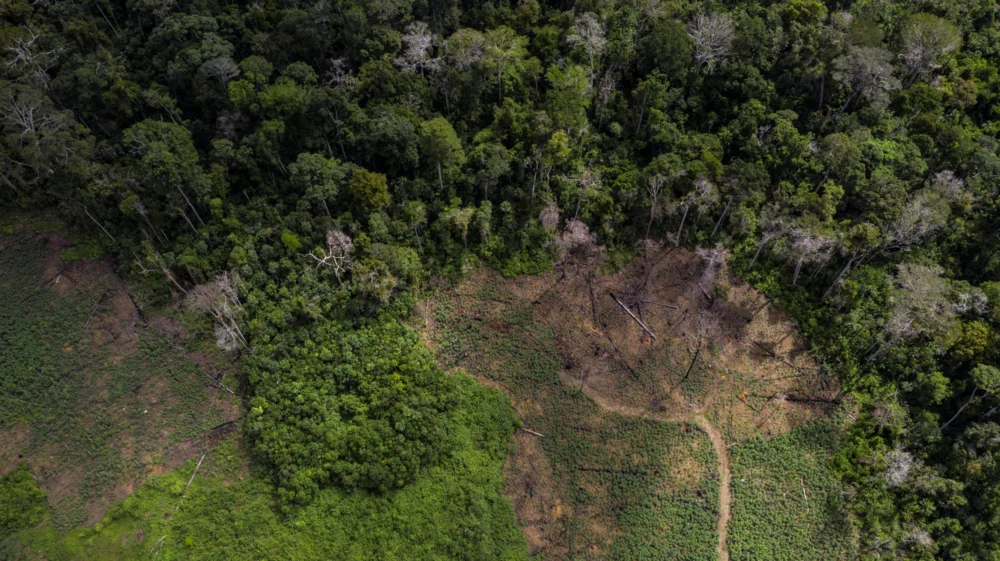
Press release / As El Niño intensifies across the Amazon, new research in Science highlights the urgent need to better protect the region’s remaining forests from disturbances.
Journal article / The study examines how policy coherence in national climate and development policymaking affects inequality and different groups in society.
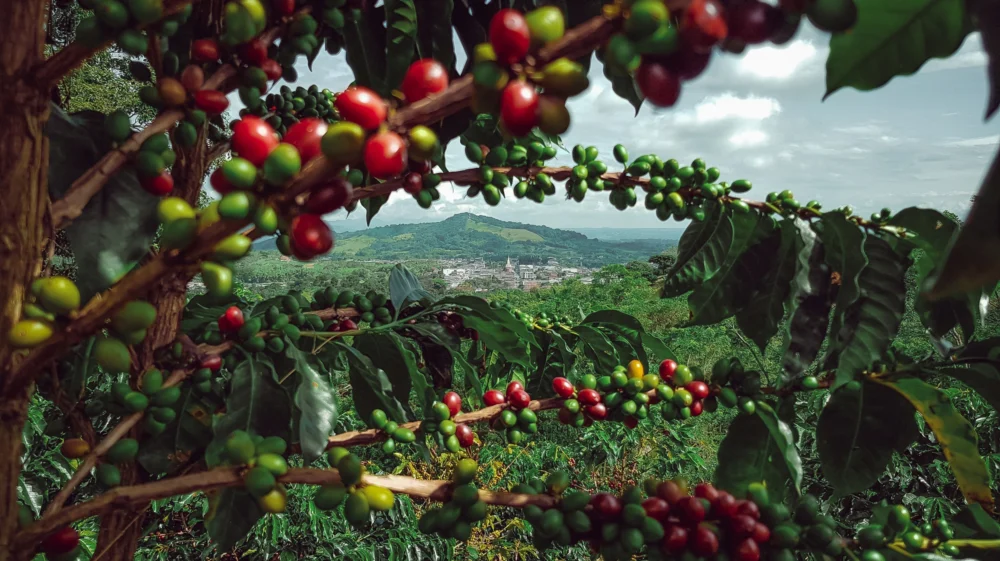
Feature / Trase identifies the leading coffee trading companies and estimate where traders and markets source coffee from within key coffee-producing countries.